Exhibition Website frenchdutchparadox.org

Travelling exhibition on French/Dutch cannabis paradox to premiere at United Nations in Vienna


VIENNA – A new travelling exhibition comparing the divergent cannabis policies of France and the Netherlands will premiere in Vienna on March 12, coinciding with the annual meeting of the UN Commission on Narcotic Drugs (CND).

The year 2026 marks a dual 50th anniversary: the birth of the Dutch tolerance policy for cannabis, which paved the way for their world-famous coffeeshops, and the publication of ‘L’Appel du 18 Joint’, a plea by a group of prominent French citizens for decriminalization of cannabis.

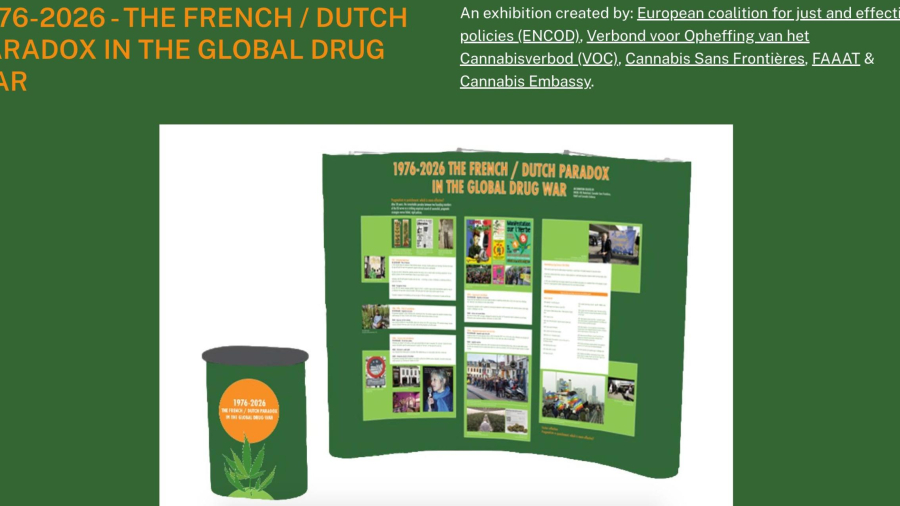
The exhibition, ‘1976-2026 – The French/Dutch Paradox in the Global Drug War’, explores half a century of cannabis policy within these two founding members of the European Union, contrasting pragmatic regulation with rigid prohibition.

Visitors can trace the evolution of the Dutch model, up to the current experiment with regulated cannabis cultivation, supplying around 80 coffeeshops. The contrast with France is stark. The 1976 appeal has evolved into a French “420”, with demonstrations for legalization all over France on June 18. Yet the law remains strict and repression persists. Despite decades of criminalisation and mass arrests, France continues to see the highest cannabis consumption rates in Europe.

What’s on display? The heart of the exhibition is a narrative wall featuring photos, illustrations and English texts. A display case contains historical artefacts depicting Dutch and French cannabis culture. There’s a live cannabis plant in a cage and a section dedicated to the late Joep Oomen (1961-2016), drug reform activist extraordinaire and co-founder of NGOs Encod and stichting VOC.

The project is a collaboration between Encod (European coalition for just and effective policies), stichting VOC, Cannabis Sans Frontières, FAAAT and the Cannabis Embassy.

Nine cities in seven countries

Following its Vienna debut, the exhibition will travel to Bilbao, Berlin, Paris, Brussels, Prague, Amsterdam, The Hague and Eindhoven. The goal is to show it in nine cities in seven countries. Leaflets with translations of the exhibition texts in five languages are available, as well as a comprehensive 24-page guide featuring further information and imagery.

Vienna: March 12

The exhibition will be stationed in front of the Vienna International Centre (VIC) on Thursday March 12. Board members from Encod and stichting VOC will be on site to talk to visitors, international delegates and journalists.


Website: www.frenchdutchparadox.org

Gaby Kozar, Encod coordinator (Vienna): gaby@encod.org Phone: +43 699 123 790 86

More information: www.voc-nederland.org


THE FRENCH / DUTCH PARADOX IN THE GLOBAL DRUG WAR 

LOGO centenary of Cannabis Prohibition 1925-2025

UNESCO’s Mondiacult to Spotlight Cannabis in Global Cultural Policy for First Time


Read the new in Business of Cannabis Online : https://businessofcannabis.com/unescos-mondiacult-to-spotlight-cannabis-in-global-cultural-policy-for-first-time/

For the first time in its history, UNESCO’s flagship cultural policy conference will give cannabis a prominent platform, marking the centenary of its international prohibition and reflecting its growing cultural acceptance.

UNESCO’s (United Nations Educational, Scientific and Cultural Organisation) World Conference on Cultural Policies and Sustainable Development, Mondiacult, is the world’s largest cultural conference, welcoming delegations from all 194 member states, aimed at setting the cultural agenda across the globe for the coming years.

From September 29 to October 01, during the 25th edition of the event, two contributions from civil-society organisations FAAAT (Forum Drugs Mediterranean) and the Cannabis Embassy, will make the case to position cannabis at the heart of global cultural policy discussions as the UN prepares its post-2030 development framework.

FAAAT and the Cannabis Embassy have submitted two official contributions: a technical paper, Cannabis: A Plant Without Borders. Cultural Diagnosis, One Hundred Years After Its Prohibition, and a consultation report on the role of cannabis-linked communities in preserving intangible cultural heritage, with insights drawn from events in Barcelona and Santiago de Chile.

This inaugural inclusion of cannabis comes on the centenary of cannabis being simultaneously recognised in the international pharmacopoeia and listed as a ‘narcotic’ under treaty law. The initiatives at Mondiacult seek to reframe this legacy by integrating cannabis-linked practices into broader heritage and sustainability agendas.

Mondiacult is the largest international gathering dedicated to culture, bringing together thousands of participants who will shape the global agenda for years to come,” said Sébastien Béguerie, president of FAAAT.

Kenzi Riboulet-Zemouli, an expert on international drug policy, added that the 2025 edition represents a “decisive moment to enshrine cannabis-related cultures within the United Nations’ next development strategy“.

The move reflects a broader trend from prohibition towards cultural recognition. FAAAT, which has been active in drug policy reform for over two decades, played a key role in the UN’s 2020 rescheduling of cannabis. The Cannabis Embassy, formed in 2024 to unify international advocacy, continues this work by appointing ‘cannabis ambassadors’ and participating in global forums.

Mondiacult gathers thousands of policymakers and cultural practitioners every four years. With the 2030 Sustainable Development Agenda nearing its end, the 2025 conference provides a rare opportunity to re-evaluate the place of traditional and contemporary cannabis cultures in global policy-making.

  • https://mondiacult2025.org/
  • https://agoracivica.cat/en/


More infos

En français :

  • https://www.newsweed.fr/lunesco-met-pour-la-premiere-fois-le-cannabis-a-lhonneur-dans-la-politique-culturelle-mondiale/?fbclid=IwY2xjawM3a-RleHRuA2FlbQIxMQABHifsR8JXRYN4zJuCyDcrZGlqPOKHvahIL2bX3eBu4sQxm_PvAGBVj1EFJzut_aem_LlRt5vca3VRNMt0qjrJ4kQ

Spanish :

Barcelona marca un punto de inflexión histórico para la liberación del cannabis


Earth Garden Report ENCOD Website Karen Mamo Pic 01a

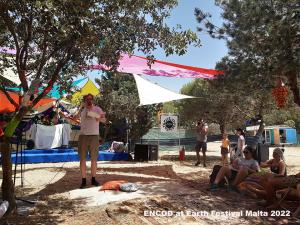
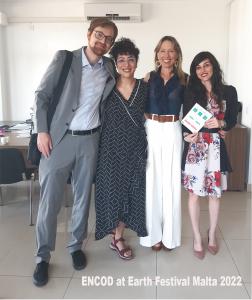
ENCOD at Earth Garden Festival Malta 2022

As the festival season kicked-in in Malta, ENCOD participated at the first harm reduction booth set up at Earth Garden festival. Organised from 3rd to 5th of June, Earth Garden Festival is synonymous with the local entertainment scene and provides a family friendly atmosphere to those visiting the festival grounds. Spread over three days and including the participation of numerous local and foreign artists, the festival attracted thousands of people throughout the weekend. The different music genres, information stalls, but also a number of workshops addressing health and well-being facilitated an innovative educational and talking hub.

ENCOD‘s new president Dr Fabian Steinmetz delivered a very well attended workshop on cannabis quality and transparency. Dr Steinmetz congratulated Malta for the historic legislative change decriminalising cannabis, and the possibility to establish non-profit cannabis associations, like ENCOD’s own Cannabis Social Club model. He spoke about the importance of promoting an educated approach, especially for those who have found a new passion for horticulture and anything green. Focusing on the role of education and knowledge about different risks associated with home growing, the ENCOD President highlighted the importance of identifying possible contamination of cannabis and bioburden (presence of microorganisms), especially in country’s prone to humid weather and thus increased risk of mold, as is the case in Malta.

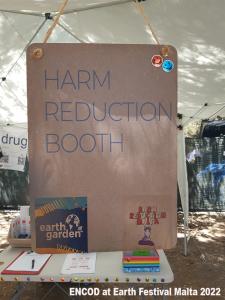
The Harm Reduction booth, sponsored by the University of Greenwich, was set up by ENCOD member Ms Karen Mamo who for the past couple of years has been pushing for a humane and a harm reduction approach for drug use in Malta. Through the facebook page Harm Reduction Malta, Karen is the first local researcher to advance a human rights-based approach to drug policy and is further advocating for the rights of people who use drugs.  Together with Dr Giulia Zampini – founder of the People and Dancefloors project, Karen spoke about the nexus between drugs in society, education and public health.  


During the visit to Malta, President Steinmetz also used the opportunity to meet with Ms Mariella Dimech, Chairperson of the Authority for the Responsible Use of Cannabis, whereby discussions revolved around the role of testing and the dialogue between cannabis growers, consumers, and authorities.  

ENCOD’s participation was covered by the excellently penned article No more ‘war’: reducing harm is the new language on drugs, written by journalist Maya Dimitrijevic, working with one of the leading newspapers in Malta, MaltaToday

In the picture from left to right:
Dr Fabian Steinmetz, ENCOD, Schildower Kreis, LEAP Germany, Delphic HSE
Dr Giulia Zampini, senior lecturer University of Greenwich and founder of People and Dancefloors project.
Ms Mariella Dimech, Chairperson of the Authority for the Responsible Use of Cannabis.
Ms Karen Mamo, researcher and promoter of Harm Reduction in Malta, and member of ENCOD since 2019.


Just Coca webinar 2022

2 days | 4 workshops

The two-day event (with interpretation in English and Spanish) features 20+ international, multidisciplinary speakers: scientific experts, users, entrepreneurs, drug reform advocates and policy makers providing testimonials, keynote lectures, panel & round table discussions, and plenty of Q&A opportunities for interaction with the audience.

Just Coca | Solo Coca | 18–19 May 2022

Day 1 Introduction https://youtu.be/W46AI1-ZeUU

Day 1 part 1/3  https://youtu.be/kbDkSqD9um4

Day 1 part 2/3  https://youtu.be/WTRtNwyrHqk

Day 1 part 3/3  https://youtu.be/qZLnYKxdv7U

WATCH on YouTube!


Screenshot at 2022-06-19 11-08-17

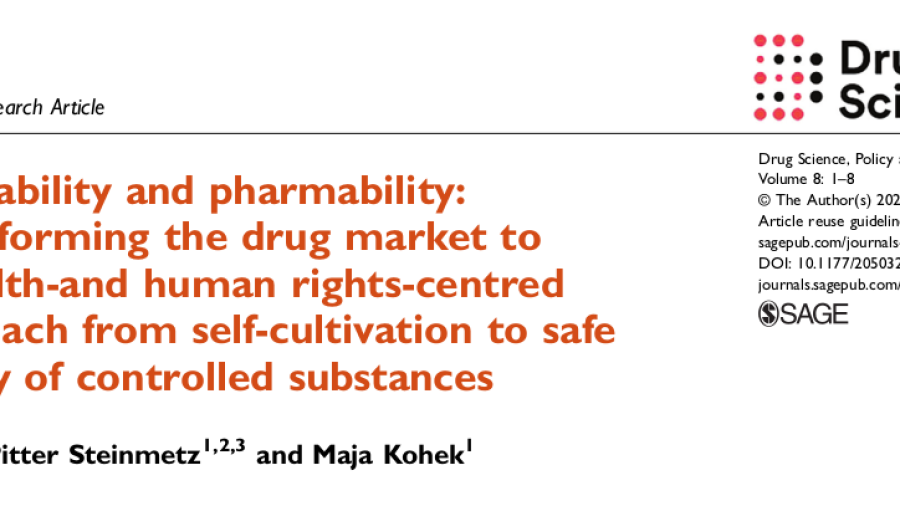
Farmability and pharmability

Our team has published a paper on the farmability / pharmability potential of different drug categories. We argue that certain drug categories can be regulated with a self-supply model. To find out more see below.

Farmability and pharmability: Transforming the drug market to a health-and human rights-centred approach from self-cultivation to safe supply of controlled substances

Authors

Fabian Pitter Steinmetz, Maja Kohek

Published

May 3, 2022

Background

The supply chains addressing the global demand for major recreational drugs are hardly addressed due to international contracts, particularly the UN Single Convention on Narcotic Drugs. Currently applied regulatory changes have several disadvantages ranging from political tensions to the neglect of ecological aspects. The aim of this study is to show some implications associated with a transformation of the recreational drug market that is focused on self-supply of different categories of drugs. The concepts of “farmability”, the feasibility to cultivate relevant plants and fungi, and “pharmability”, the feasibility to refine materials to drugs by chemical synthesis, purification etc., are addressed.

Methods

68 drug experts were invited to fill out an online survey on the feasibility of self-supply of different categories of drugs. The online survey was a five-point Likert scale and had seven questions.

Results

26 experts (38.2%) responded to the online questionnaire. Cannabinoids were considered easy to cultivate/manufacture, depressants and psychedelics were ranked with moderate difficulty, opioids and stimulants were regarded as difficult to cultivate/manufacture, and empathogens/entactogens and dissociatives were ranked very difficult. The study found that some controlled substances, in particular cannabis, could be decriminalised without the need for a commercial market. However, some drug categories, such as dissociatives and empathogens/entactogens, would require the establishment of professional manufacturers. Psychedelics and depressants are ranked in between.

Conclusion

Different drugs are associated with different cultivation and/or manufacturing steps with contrasting difficulty levels. Those differences are likely to shape use prevalence to more accessible and safer drug markets which also decrease the involvement of organised crime groups. Hence, when decriminalising the possession of drugs for personal use, it is therefore recommended to allow also for personal cultivation or cultivation within social clubs. This is particularly relevant for drugs with moderate to high farmability but also if pharmability is sufficiently high.

This research was published in the Drug Science, Policy and Law Journal.

The full report of this research is available at: https://journals.sagepub.com/doi/full/10.1177/20503245221097797 


Scan 1011

Our Little Pharm/Farm

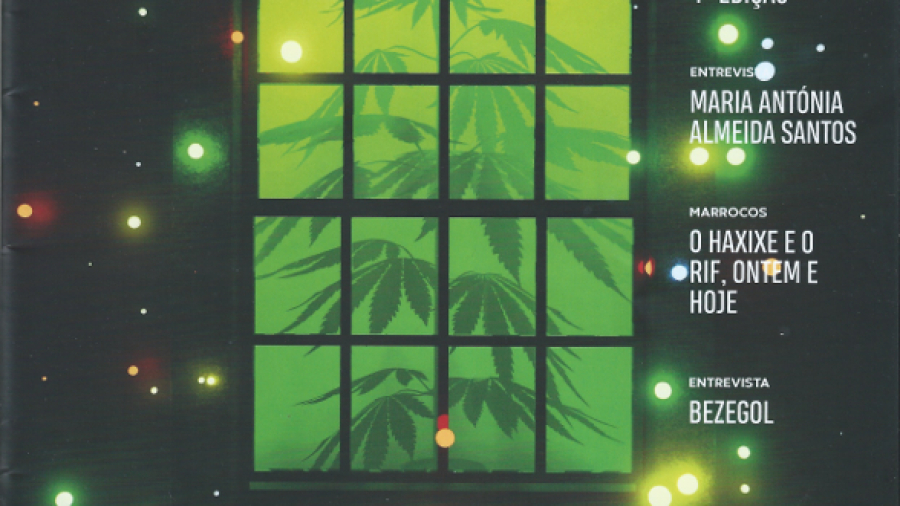
ENCOD regularly publishes articles in the Cannadouro Magazine from Portugal.

Here’s the last winter edition published in the Portuguese language with the English version below.

ENCOD, the European Coalition for Just and Effective Drug Policies, is advocating for the “freedom to farm”. But what does that mean? Whilst it is perceived as something totally normal to grow your own herbs and vegetables, many people worldwide are prosecuted for cultivating psychoactive plants and fungi for personal use. Due to multiple reasons, it is important that mankind does not lose its right to farm.

Farming, the contact with soil and plants is what made us who we are today. It sustained societies for millennia and we won’t allow these practices are being prohibited, restricted and controlled. However, small farmers have to be protected against corporate practices that are not only destroying families but whole species, cultivars and biodiversity in general. Several plants are prohibited by law, or their use is restricted, which is violating basic human rights. Even whilst more legislations adapt their hemp (Cannabis sativa) policies, there is still the debate about banning further plants, such as kratom (Mitragyna speciosa) or Iboga (Tabernanthe iboga). Many plants have been banned or tightly regulated without any obvious need for regulatory interference, e.g. salvia (Salvia divinorum) or kava (Piper methysticum). These regulatory practices are harmful to societies as they criminalise traditional cultivation and use and deter from getting involved in nature. 

Whilst it is debatable what would be the best regulatory model for cocaine, there was never a need for a ban on coca (Erythroxylum coca) and traditional coca products, such as tea and candy. To combat several contemporary challenges (such as prohibition, climate change, disrespect for human rights) ENCOD advocates for sustainable development of the world’s economies and farming policies that will protect and favour small farmers, self-sufficient production and social consumption models, as well as a public policy that is not prohibiting plants and substances that have been used by humans throughout history and can therefore be considered as part of the common heritage of humankind.

The so-called “war on drugs” is a war against people, plants and the whole environment. It is absurd that in some regions the beautiful poppy flower (Papaver somniferum) with its nutritious seeds is banned just because its latex, also known as opium, is used to reduce physical and mental pain. Of course, high and continuous consumption may lead to a substance use disorder, but is this a reason to ban a plant, ambush farmers and incarcerate those who disagree? Commercialising opium, as the British did in the 19th century, is something worth criticising and perhaps even impeding, but nobody should withhold this plant from mankind. Of course, the same applies to hemp and its THC-containing products, which are more and more used in the medical context.

Our concern about the impact of current drug policies upon society, the stigmatisation of users, together with economic disparity and associated harm to long-term human well-being, prompted us to emphasise the freedom to farm psychoactive plants, which should be declared the “common heritage of humankind”, irrespective of existing claims to national or international jurisdiction. “Freedom to farm” is proclaiming these plants as international commons, as significant natural resources that are acknowledged beyond the limits of national or international jurisdictions, and as such, are part of the common heritage of humankind. This is an ethical concept and a general concept of international law and therefore should undermine current regulatory practices. These resources should be available for everyone’s use and benefit.

Furthermore, we all hold the responsibility to care for and protect the environment, of which we are a part, for present and future generations. The global civil society is playing a crucial role in the development of, and advocacy for, freedom to farm. Please join our movement.

By Maja Kohek & Fabian Steinmetz

cultiva2021

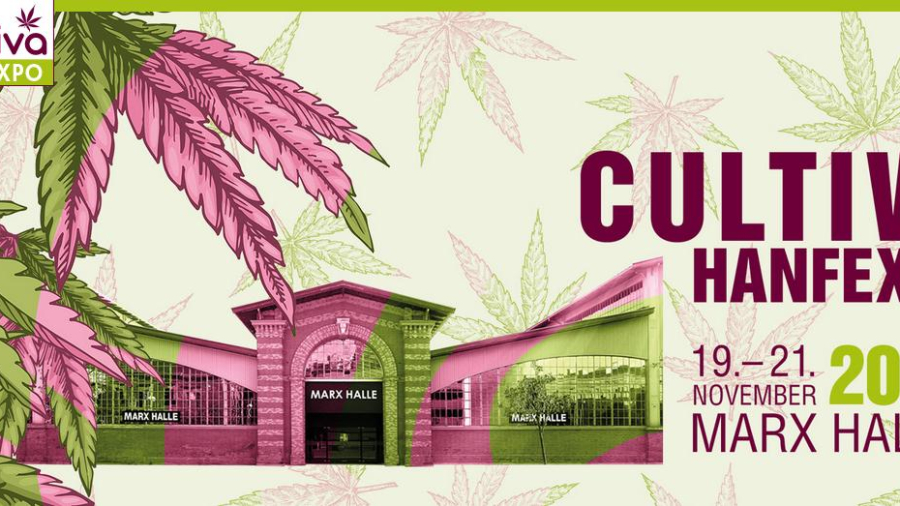
Hanfexpo/Cultiva 2021 in Vienna

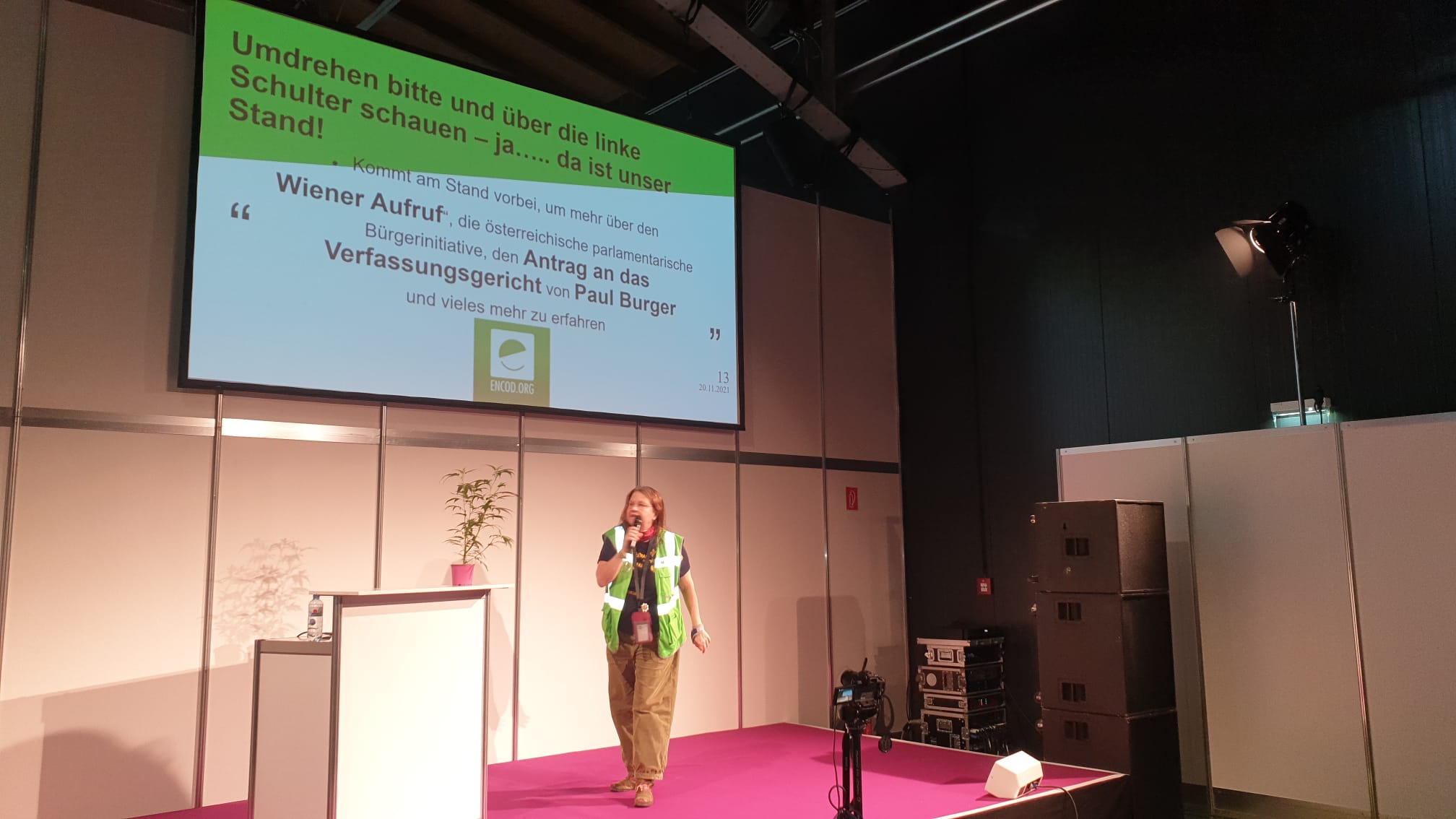
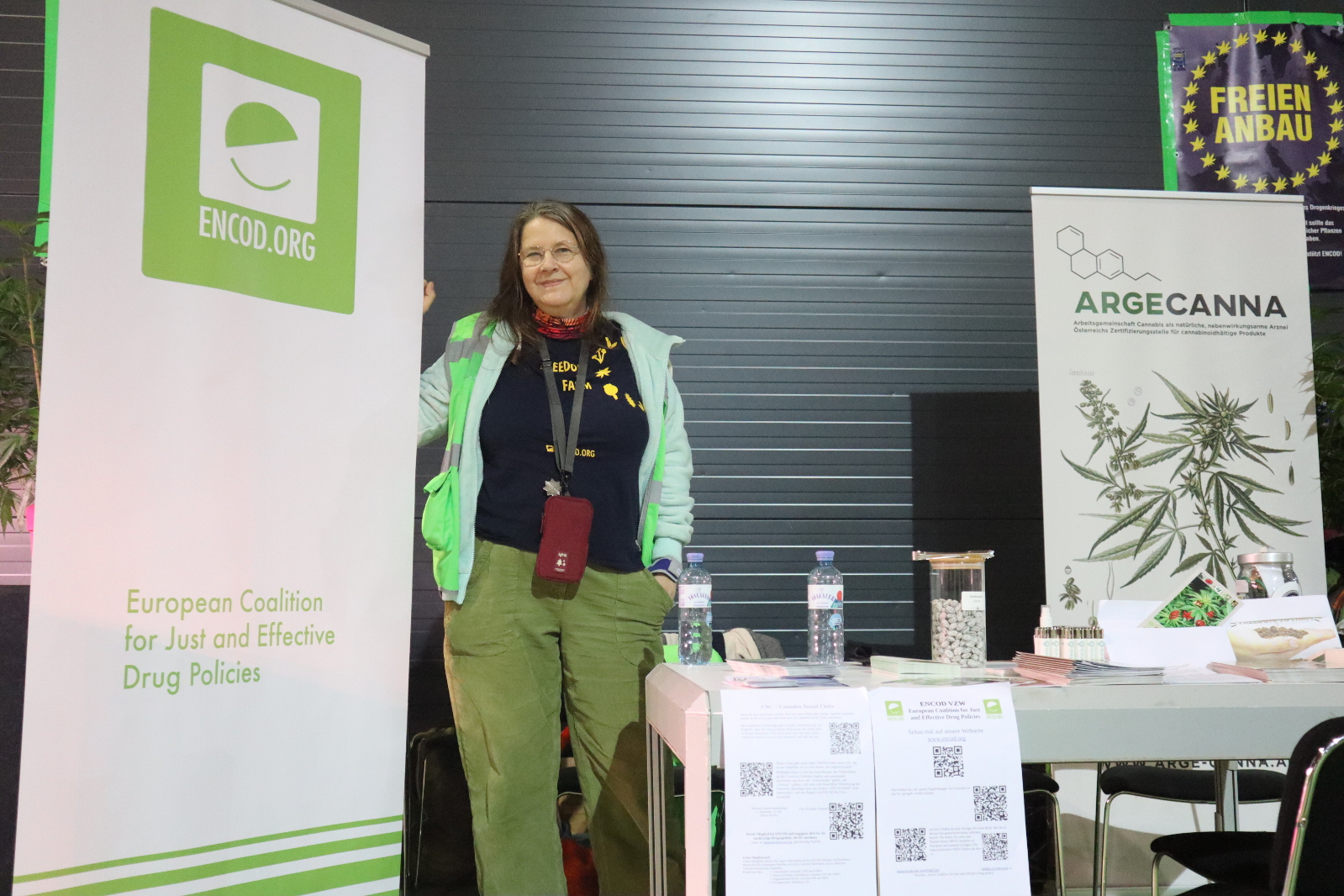
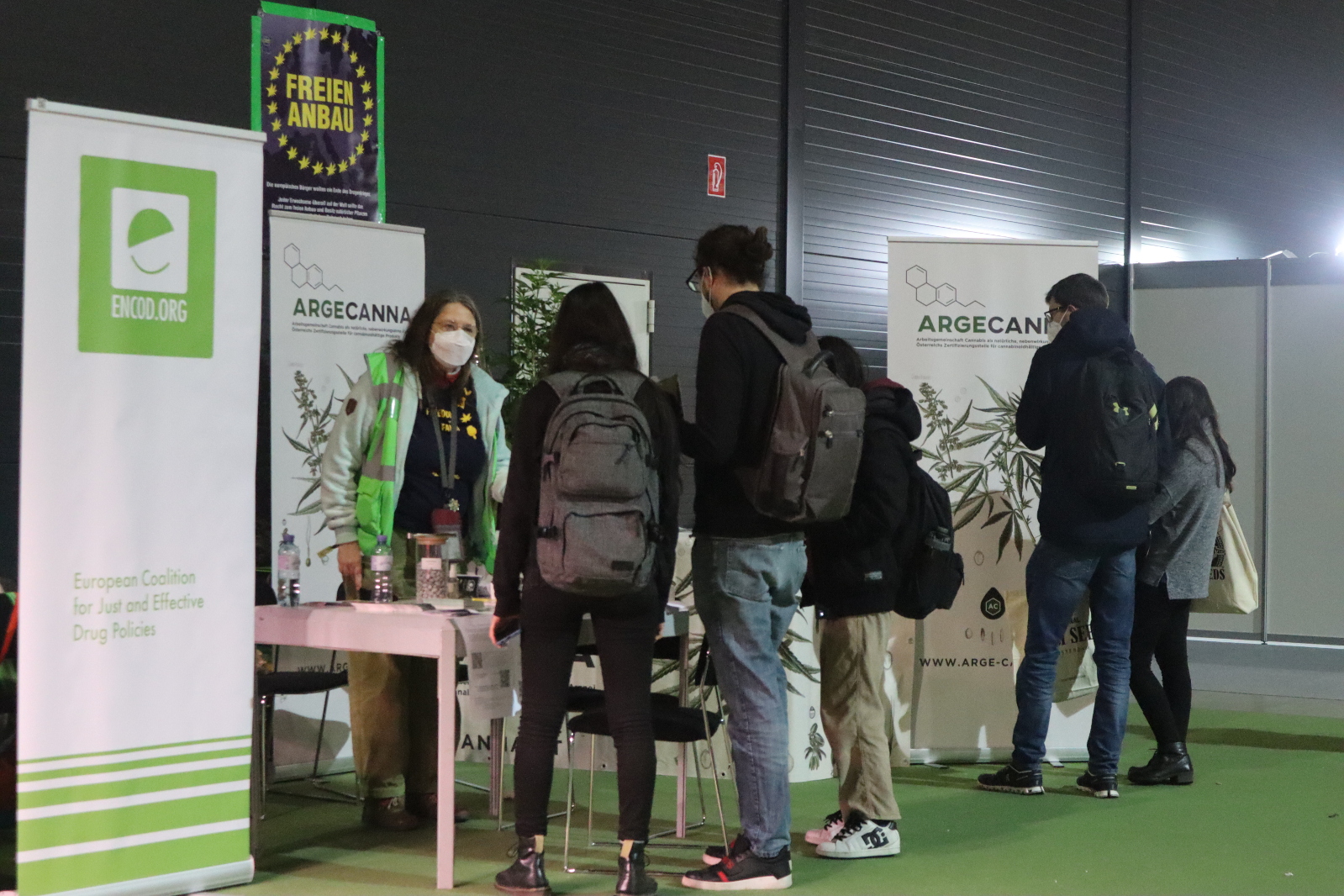
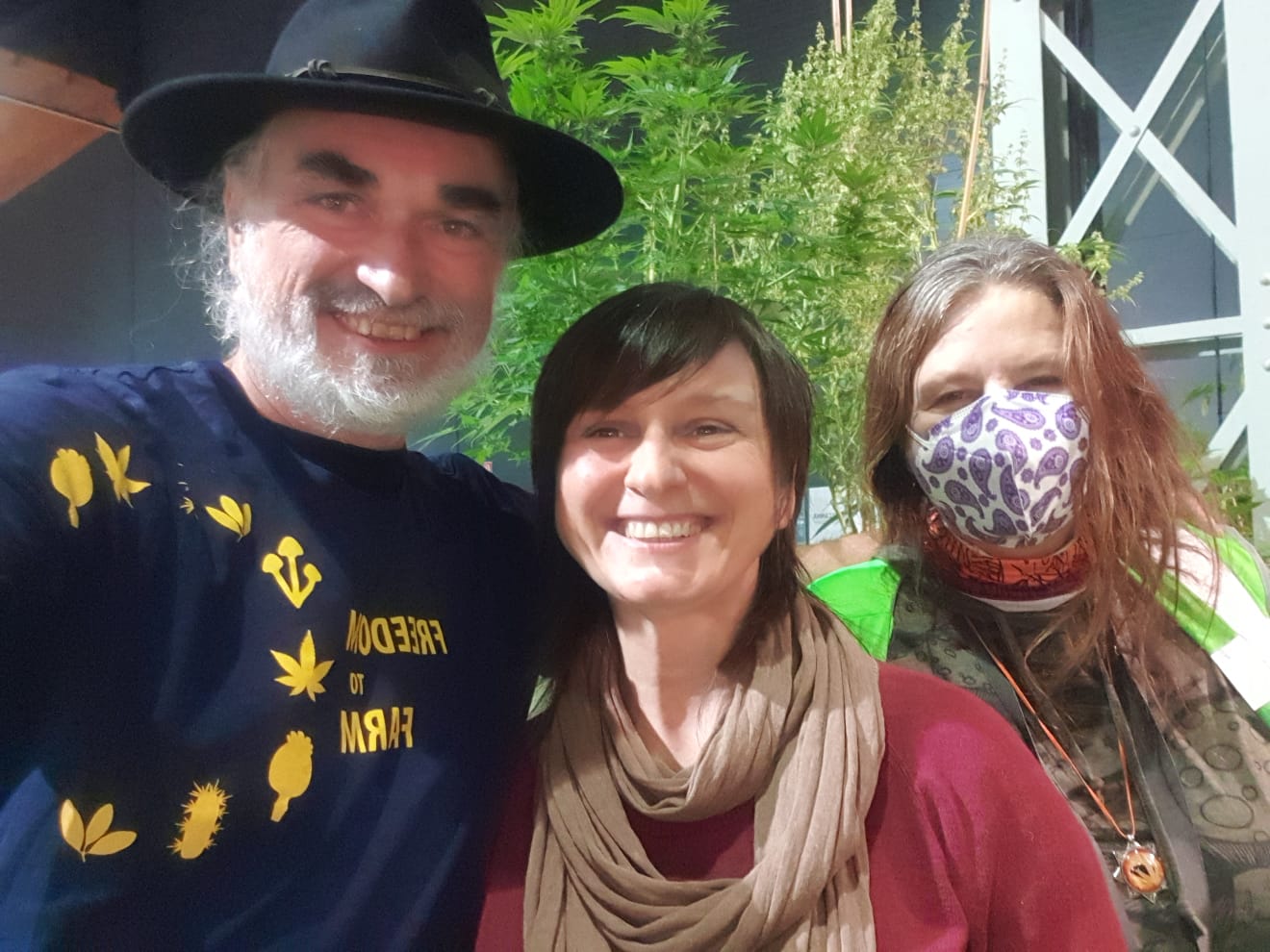
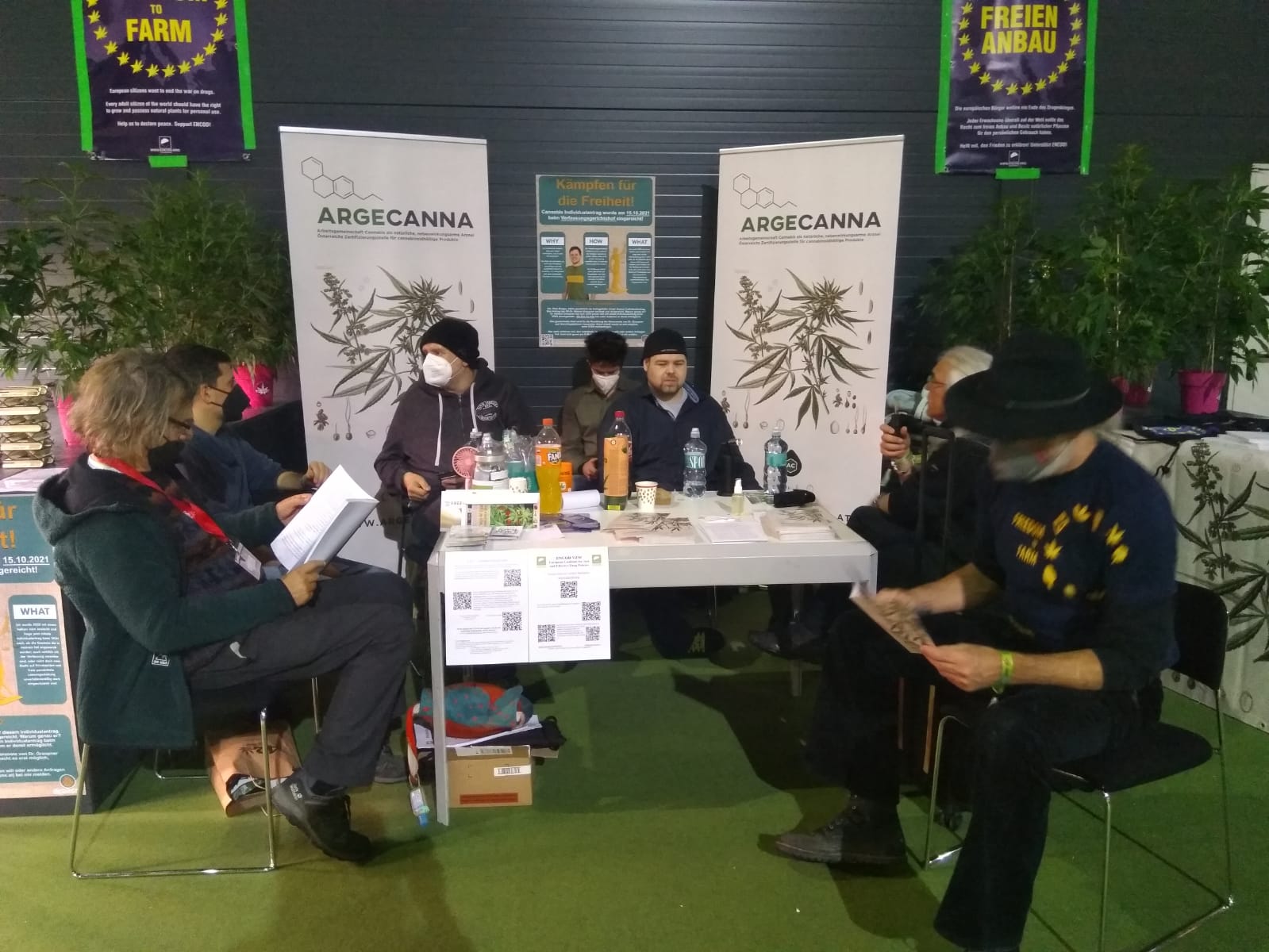
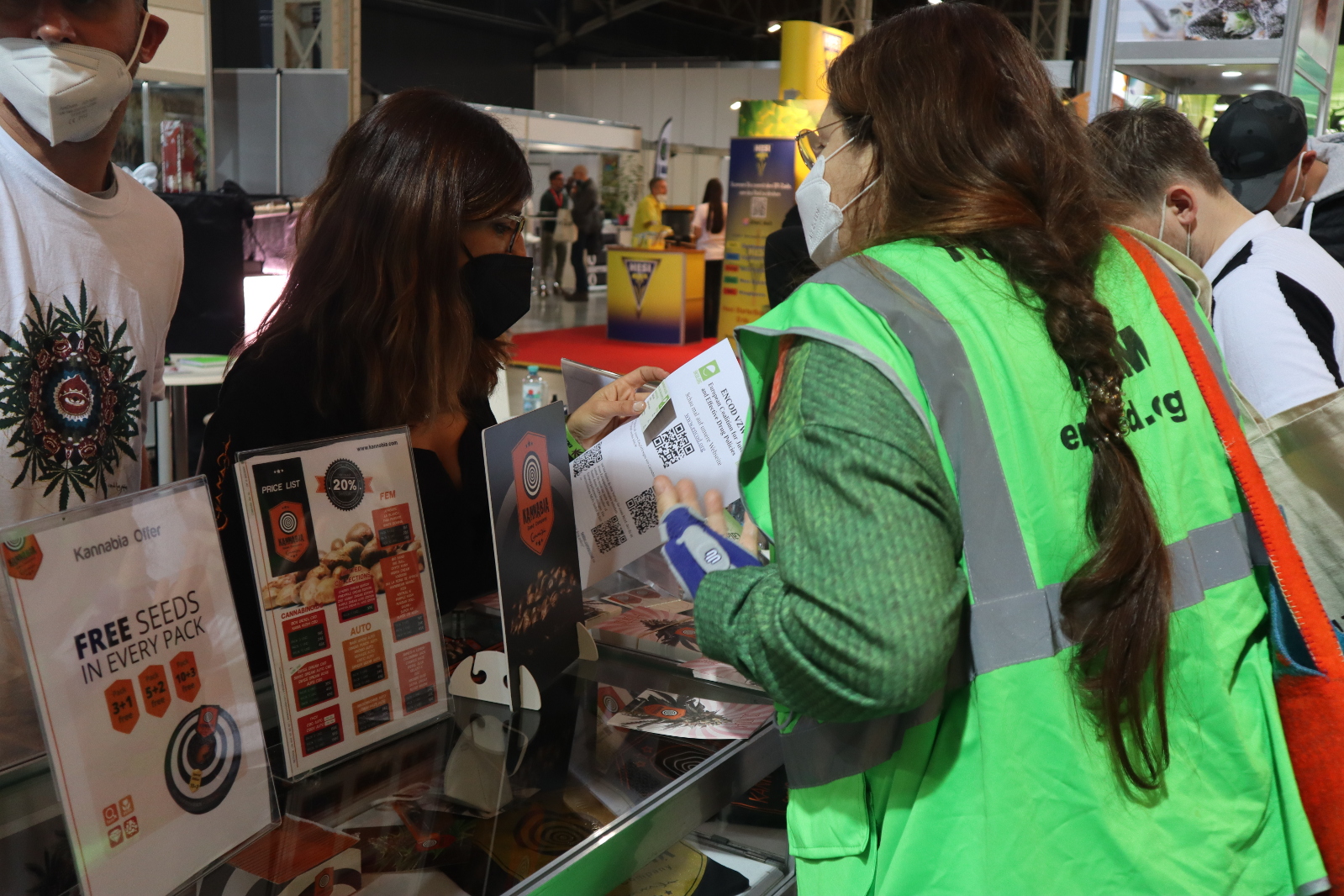
From 19th to 21st of November 2021 we participated at the much expected Hanfexpo / Cultiva 2021 in Vienna. The strict COVID-19 measures (2G+: vaccinated or recovered + a negative PCR test and FFP2 mask when walking around) resulted in a fair with a small number of visitors, the exhibitors had only a small assortment, and some presentations were canceled. It was a game of chance from the very beginning. We wish them better luck for next year.

Here are some snapshots from the event.


education is not a crime

Writing about cannabis is a crime in Czech Republic!

November 15, 2021—Prague

Writing about cannabis is a crime!

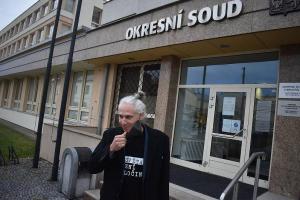
On November 3, 2021, the Legalizace magazine and its editor-in-chief, Robert Veverka, were convicted of inciting and promoting “toxicomania” by the district court in the town of Bruntál.

The editor-in-chief, Robert Veverka, and the publishing company of the Legalizace magazine, both prosecuted since the summer of 2020 for allegedly inciting and promoting “toxicomania”, were given a one-year prison sentence contingent on a probationary period of two and a half years as well as a fine of 50,000 CZK by the district court in Bruntál following two court hearings.

According to the public prosecutor, Jan Žalman, Veverka and the publishing company have committed the crime of inciting and promoting toxicomania by publishing more than two hundred articles during 2010–2020 which allegedly gave the impression of cannabis processing and handling being legal, provided qualified instructions on cannabis cultivation, processing, and storage, and by publishing cannabis-themed advertisements as well as offering legal and freely marketable cannabis seeds which appeared several times as a supplement of the printed magazine issues. This conjecture was confirmed by Judge Marek Stach in his verdict on November 3, 2021, when he found the defendants guilty of the above.

Although the judge admitted that the Legalizace magazine gives the impression of a very objective medium, as it provides broadscale, comprehensive information and expert opinions as well as insight into the medical aspects of cannabis, he proclaimed the reason for his verdict is that some of the articles may incite the desire in certain individuals to acquire equipment that could enable them to grow, harvest, process, and use cannabis in a way which is illegal. The judge also stated that if the printed photographs depict cannabis flowers evidently covered with resin, these images cannot, therefore, be of industrial cannabis without psychoactive properties. According to the judge, such content is a temptation to readers; almost every issue of the magazine allegedly possesses the capability of influencing the conduct of readers and inciting them to abuse addictive substances. Although the majority of the articles found in the published magazine issues are legally sound, according to Judge Marek Stach, even one single article with the potential to incite readers is enough for the Legalizace magazine to constitute the crime of inciting and promoting toxicomania.

The judge mentioned that he is not competent to assess the benefits of the current legislation, the benefits of cannabis products in healthcare, or the negative effects of cannabis use, but that he must base his verdict on the existing legislation which is binding for all. He stated that according to his judgement, Legalizace magazine evidently and factually constituted the criminal offence of inciting and promoting toxicomania. He did not take into account the legislative provisions allowing for cannabis to be handled legally in certain cases or the comprehensive and educational nature of the information published in the magazine. On the contrary, the judge expressed his doubts as to whether the individuals who granted interviews to the magazine were made aware of its content and overall message. Personally, I consider the verdict to be very biased and severely restrictive of the freedom of expression, the right to express political opinion, and the right to information,” says Robert Veverka.

The verdict is not final, the defendants are waiting for the written statement of the reasons for the court’s decision to be issued and will use this time to consider a possible appeal. The verdict has caused considerable outrage among the lay and expert public alike, which is calling on the newly appointed Chamber of Deputies to update the outdated legislation on psychoactive substances and the specific section of the law referring to the inciting and promoting of toxicomania.

If you care about freedom of the press, you are encouraged to donate to Robert Veverka’s crowdfunding transparent bank account no. 2900469065/2010
(IBAN: CZ4320100000002900469065, BIC/SWIFT: FIOBCZPPXXX –
https://ib.fio.cz/ib/transparent?a=2900469065). The funds collected will be used to cover the costs of the lawsuit and for the further fight for freedom of expression.

Media Contact:

Robert Veverka, tel. +420 773 691 561, email: robert@legalpub.cz

Website: https://magazin-legalizace.cz/, FB: https://www.facebook.com/magazinlegalizace

Robert Veverka is the publisher and editor-in-chief of Legalizace magazine, the head of the Legalizace.cz NGO, a member of the Prague Council Commission for Drug Policy Coordination, and a representative and member of the Security Commission and Education Commission of the Prague 2 municipal borough.

releafmaltalogo

Malta and Cannabis: Changes on the horizon

Malta set to decriminalize up to 7 grams of cannabis and to allow the establishment of Cannabis Associations. 

In the past weeks, the Government of Malta tabled a Bill in the Maltese House of Representatives detailing a plan for a partial decriminalised system for the adult personal non-medical use of cannabis. Bill No. 241 to establish the Authority on the Responsible Use of Cannabis and to amend various laws relating to certain cannabis activities, is a bold statement in favour of a less criminalised and more humane approach. The Bill comes at an important juncture in Maltese and regional drug policy developments. In fact, Malta will be one of the first from the European family to take the lead on promoting a more humane and regulated approach to cannabis.

ReLeaf Malta has been instrumental in pushing forward a model which places the rights of people who consume cannabis at the helm of every decision and ensure no corporate takeover nibbles away personal rights and freedoms.

Principles of human rights, social equity and sustainability have been at the core of ReLeaf Malta’s message and proposed regulated framework. Collaboration with key international partners was key to ensure proposals are built on research and an evidence-based approach, prioritising humanity before profit and corporate greed. Collaboration with ENCOD, especially close consultation of the ENCOD’s European Guidelines for Cannabis Social Clubs was instrumental to create a holistic approach to allow the cultivation, consumption and sharing of cannabis in Malta.

Bill No 241, modelled, in part, on ENCOD’s proposal of a not-for-profit system collectively cultivating, consuming, and sharing cannabis, includes the following points:

Personal cultivation and consumption 

  • Persons aged 18 and over can have up to 7 grams in their possession and won’t be charged in court or face proceedings before a justice commissioner if caught. Police will no longer confiscate cannabis under 7 grams 
  • The possession of between seven and 28 grams of cannabis will be punishable with a fine of between €50 and €100, as well as proceedings before a justice commissioner 
  • Up to 4 cannabis plants will be allowed in private residences, but they must still be kept out of sight, and only up to 50 grams of dried cannabis in the residence 
  • Consumption of cannabis in public will remain illegal with the person being subjected to a fine 
  • Possibility to obtain clean police conduct for amounts decriminalised or depenalised by the new law  

Cannabis Associations operating and registered as NGOs with the Commissioner for Voluntary Organisations 

  • Adults over the age of 18 can form an NGO (Cannabis Association) to collectively cultivate and share cannabis. The Association needs to obtain a licence form the Authority on the Responsible Use of Cannabis. The Associations cannot be situated within 250 metres of a school or youth area 
  • Cannabis associations that distribute cannabis among their members will be allowed to operate as an NGO and not for profit 
  • Persons with previous criminal records cannot form an association 
  • Up to 7 grams a day can be distributed to each member with a maximum of 50 grams per month.  
  • The organisation will also be able to distribute up to 20 cannabis seeds/month to each member and cannot have more than 500 grams of the plant on their premises at any given time 
  • Cannabis is to be distributed in sealed containers, including labelling 
  • No marketing or visible signage should be included 

Whilst not promoting the use of cannabis, the Bill aims to provide increased legal safeguards for the personal consumption and cultivation of cannabis, whilst directly impact the illicit trade and monopoly of cannabis by allowing the establishment of associations providing a source of safe cannabis. The Bill should therefore also directly impact how local police handle cannabis-related offences and hopefully ensure less harassment of people who cultivate, consume and share cannabis.

Nonetheless, it is somewhat strange, that old bogus beliefs spread by ‘the war on drugs’, continue to seep in the new law and unfortunately in some areas distort the core aim of such a reform. One worrying reality is that in a way, the law still considers cannabis possession a crime, especially if the police have ‘reasonable suspicion’ of trafficking. Whilst recognising that the 50 gram/month limit allowed to be purchased from the associations is a courageous step forward (presently 3.5 grams are depenalised), better reflecting consumption levels, it is unclear why the same amount will be allowed for those cultivating up to 4 plants. Any person that cultivates cannabis will tell you that this limit is too low even for one consumer, imagine 4 residents living under the same roof and all using cannabis on a daily basis.

Another example is the complete ban on public smoking, especially for areas only frequented by adults. This is not applied for tobacco and although closed venues and other areas frequented by children prohibit the use of tobacco, in other open spaces tobacco consumption is not banned.

Recent comments by Minister Owen Bonnici have also cast doubt on how the government foresees the daily operation of the associations. In fact, he confirmed that no smoking will be allowed on the premises and people will only visit the association to purchase cannabis or seeds. This is in stark difference to what a not-for-profit social club built on harm reduction aims to achieve. In fact, the main purpose of a similar system is to provide a safe space for like-minded people to share an activity that brings them closer together and gives them the opportunity to share knowledge or seek help if experiencing problems. Most importantly, a system where people visit and stay within the association premises to consume cannabis would ensure closer dialogue between the person and the association, especially on matters pertaining to harm reduction and health. Once more the legislator continues to obfuscate the aims of a decriminalised system with the need of keeping consumers separate from each other, hidden at home, and immediately criminalised if not adhering to strict bureaucratic and unsustainable systems. In a way, this seems a step backward and makes a mockery of the basic human rights of freedom of assembly and of association.

It seems the proposed Bill has also in a mysterious way introduced a business opportunity for some, completely ignoring the fact that these associations will be operating as NGOs and on a not-for-profit basis. The requirement of sealed containers, is a very convenient way how some businesspeople, maybe already involved in the medicinal cannabis market, will make a profit out of this new system.

To oblige an NGO to pay for thousands of sealed containers to be used only once is a clear insult to our collective intelligence, to our sustainable and environmental promises, and a cheap way how commercial interests attempt to sabotage human rights and civil liberties law.

It is also a blatant reflection that cannabis is STILL considered as an illicit narcotic that needs to be sealed and kept hidden. Whilst acknowledging the importance to keep cannabis out of the reach of children, these strict measures imposed on NGOs, together with a complete ban of participation for people with a previous criminal conviction, create an unbalanced playing field from the very beginning. Ultimately, this approach seriously risks excluding those that have been so badly affected by prohibition and the current draconian laws. These provisions also risk increasing the price of cannabis (through membership fees or other means) and thus in no significant way compete with what is available and more accessible on the illicit market.

The Bill is now at its second stage. However, due to parliamentary debates related to the yearly Government Budget, discussions on the Bill have stalled before even starting. Rumors of an early election in November continue to crumble Malta’s green aspirations that the Bill will go through by Christmas. Despite these technical and political hiccups, ReLeaf Malta remains committed to ensure any legislative change continues to respect in full human rights, social equity, and sustainability.

Keeping optimistic is what has kept us going.

Now that Malta is going through this legislative and social transition, as a small but determined NGO, ReLeaf Malta continues to wave our shared green leaf, representing and championing the voice and rights of people who consume, cultivate, and share cannabis.

I want to read the full bill.



banner_F2F_klein

Pre-review of kratom at the WHO ECDD

Dr. Fabian Steinmetz gave a statement on kratom at the Forty-fourth Expert Committee on Drug Dependence.


Dear Expert Committee on Drug Dependence,
we would like to encourage the ECDD not to classify kratom (Mitragyna speciosa) as a controlled substance. First of all, banning plants has never solved any drugrelated issues. Products derived from hemp (Cannabis sativa), poppy (Papaver somniferum), and coca (Coca erythroxylum), and chemical substitutes are readily available worldwide. However, banning those plants inflicted direct and indirect harm to millions of people, particularly ethnic minorities. There is a scientific consensus that sensible regulations dependent on use prevalence and substancespecific risks are the best approach to reduce harm to health and society. A ban on kratom would particularly affect people with traditional and medical use. For many people, kratom is a safe pain medication or mild opioid substitute.

As a toxicologist and professional risk assessor, I would like to emphasise that many plant extracts in high concentrations have psychotropic effects but could also, at high and constant exposure, provoke organ toxicity, e.g. lavender (Lavandula angustifolia), mugwort (Artemisia vulgaris), tea (Camellia sinensis), chamomile (Matricaria recutita), lettuce (Lactuca spp) etc. Hence, this cannot be the rationale for banning a plant, particularly not if there is an overall long history of safe use.

While extracts/isolates should undergo regulatory approaches comparable to other plantbased pharmaceuticals (i.e. dependent on potency), it is important not to schedule the plant and traditional formulations to avoid obstruction of medical research, obstruction of current medical therapies as opioid substitute, analgesic etc. (particularly when access to healthcare is limited) and to avoid the general criminalisation of people using kratom. Particularly the latter is harmful on its own but also may lead to unhealthier substance choices. Hence, the cultivation, trade and use of kratom should not be prosecuted. This should also encompass novel formulations if typical alkaloid exposure is not exceeded.

Overall, the use prevalence is, compared to alcoholic beverages and hempbased products, not particularly high although the plant and its effects are known in the Western world for over 100 years. One reason might be the taste which is not perceived well by many people using kratom. Another reason might be unpleasant effects, e.g. dizziness, drowsiness, particularly at high doses. Due to the fact that the main alkaloid (mitragynine) is a proddrug towards the μopioid receptor, it is unlikely that other routes of administration than the oral route could lead to use patterns associated with severe substance use disorders (cf. first-pass effect). The active metabolite (7hydroxymitragynine) is also present in the plant but only in pharmacologically irrelevant trace levels. This clearly differentiates kratom’s main alkaloid mitragynine from cocaine or morphine.

The political challenges with regard to climate change and mass extinction should also remind us not to interfere with ecosystems lightheartedly. The kratom plant, growing as a tropical evergreen tree, is an important part of local ecosystems and these ecosystems should not be deliberately harmed. Despite that, we already know that banning plants has never been a successful strategy. When looking at other banned plants, it is not unlikely that banning the plant would even encourage more cultivation, extractions and eventually chemical alterations (cf. poppy to heroin or coca to cocaine hydrochloride/freebase).
Although, as described above, this is less likely with kratom, the creation of more harmful derivatives should be a reminder of negative consequences based on drug prohibition. Currently, kratom is considered a rather unproblematic remedy used by a rather small population, nevertheless, “technological progress” due to prohibition should not be underestimated. It is important not to give organised crime groups further opportunities to increase their market share.
Overall, considering health and social implications, the cultivation, trade, and use of kratom should not be prosecuted. Therefore, it is important to respect communities and their freedom to farm, use, and trade recreational and medical goods of low concern.

Kind regards,

Dr. Fabian Pitter Steinmetz

Member / Scientific Advisor of ENCOD

Click here to read the statement.

Click here for more information about the event.