
ENCOD Press release 12. March 2026
Press release march 12th, 2026
Sunny premiere of travelling cannabis policy exhibition at CND in Vienna
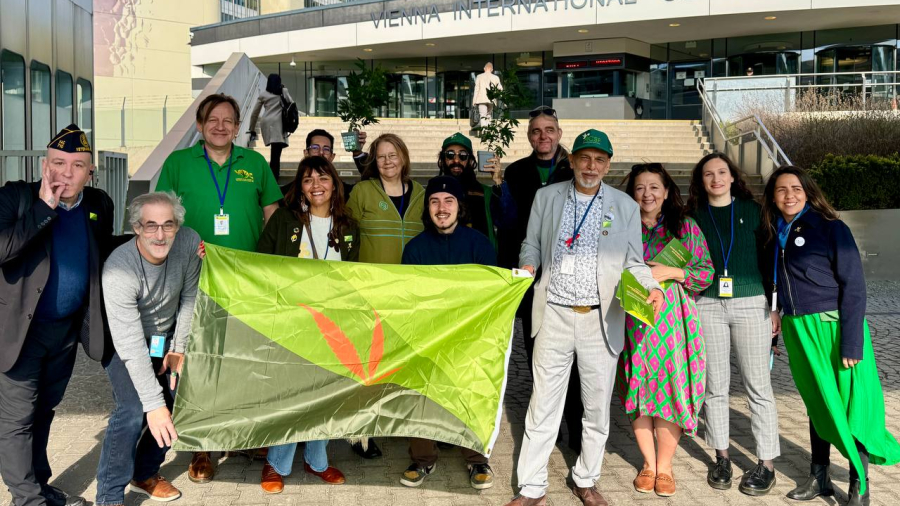
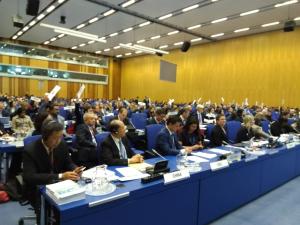
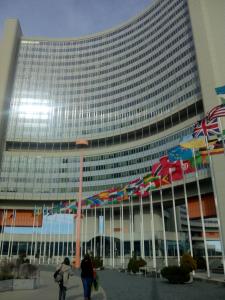
VIENNA – International delegates taking part in the annual Commission on Narcotic Drugs (CND) Vienna were
welcomed by activists from seven countries and a unique exhibition on cannabis policy in France and the
Netherlands on Thursday.
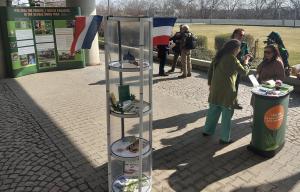
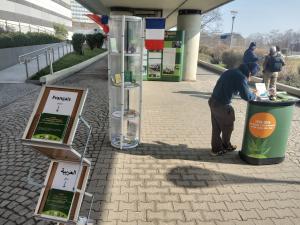
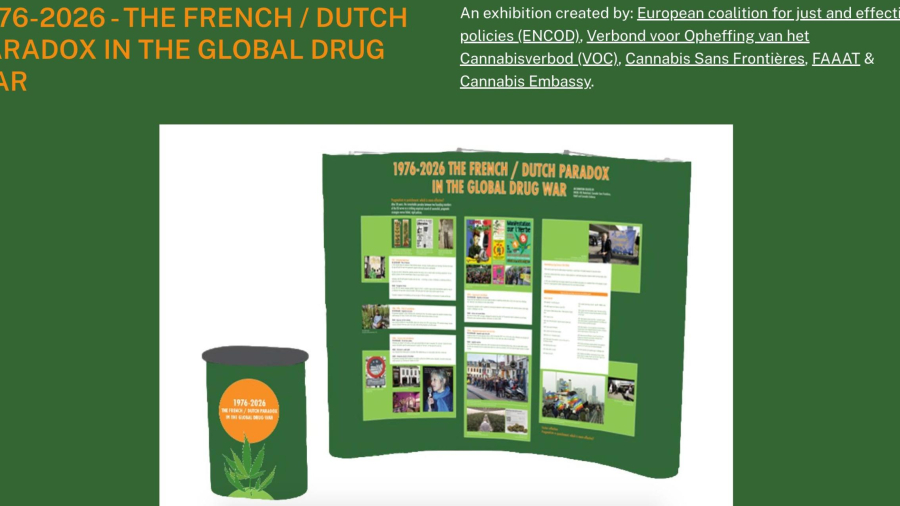
The exhibition, called “1976-2026 The French/Dutch Paradox in the Global Drug War”, centers around 50 years of
Dutch cannabis tolerance policy and 50 years since a French appeal for decriminalization of cannabis by a group of
prominent French citizens.
Activists from ENCOD, the European coalition for just and effective drug policies, and VOC, the Dutch union for the
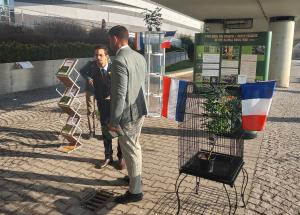
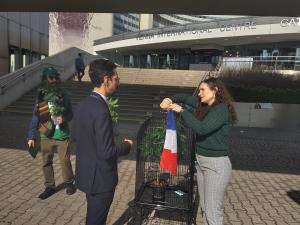
abolition of cannabis prohibition, handed out over 500 exhibition guides to delegates and other CND visitors. A big
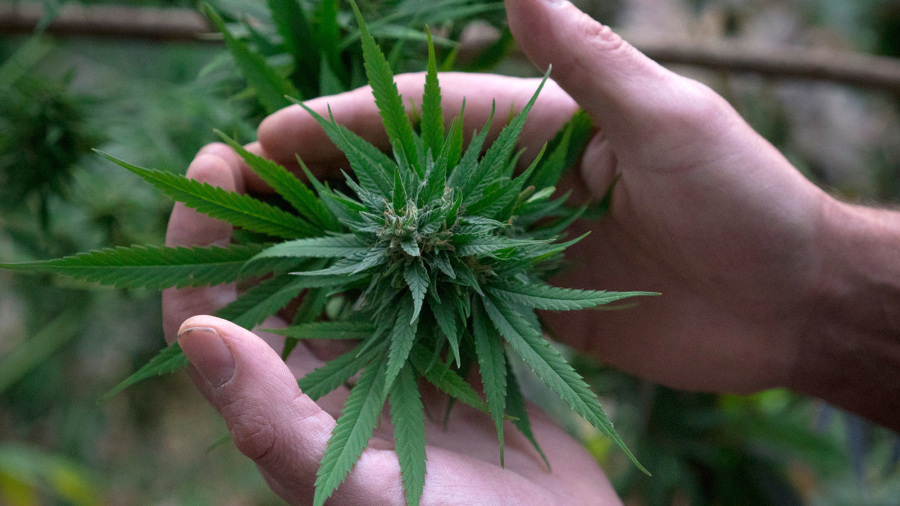
cage containing a live cannabis plant proved to be the most popular exhibit, with many people taking pictures and
selfies with it.
On a colorful curved wall, the story of the two diverging policies is told. One of the paradoxes is the fact that
despite having a very strict prohibition policy on cannabis, France is the European champion of cannabis
consumption. The Dutch cannabis coffeeshops have not led to similar high consumption rates, while providing safe
access for adult consumers and diminishing the “forbidden fruit effect” for young people.
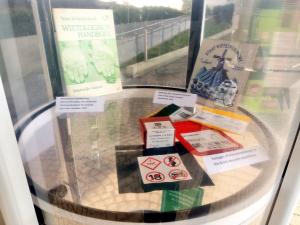
A display case showed artefacts from half a century of French and Dutch cannabis culture and activism. Among the
objects was an original copy of the French paper Liberation from June 18, 1976, containing the appeal for
decriminalization, L ́Appel du 18 Joint. Other highlights included one of the first Dutch guides for growing your own
cannabis from 1987, and a Delft blue tile commemorating the start of the Dutch cannabis closed chain experiment
in 2025.
The exhibition led to some lively discussions between activists, delegates and other visitors. Derrick Bergman,
chairman of VOC: “This is exactly what we had hoped for: stimulating debate and discussion about prohibition
versus regulation of cannabis.
” ENCOD chairman Farid Ghehioueche: “We ́re proud of this exhibition, that will travel throughout Europe during the rest of the year. Our message is that prohibition is no solution. Regulation with respect for human rights is the way forward.
”
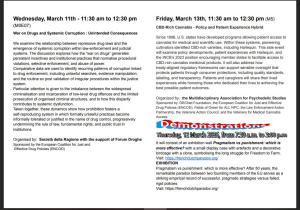
After Vienna, the exhibition will travel to Bilbao the 17 -19 April 2026 followed by Berlin, Paris, Brussels,
Amsterdam, The Hague, Prague and Eindhoven. Exhibition website: www.frenchdutchparadox.org.
The only negative occurrence of the day was an outrageous article with an equally outrageous AI generated image
on the website Europeantimes.news. ENCOD and VOC strongly denounce this fake news story, titled “Cannabis
Smoke at UN Drugs Summit Sparks Outrage in Vienna”. The claim that CND participants “encountered a cloud of cannabis smoke before they even reached the entrance” is a blatant lie.
ENCOD website: www.encod.org
VOC website: www.voc-nederland.org
Spokesperson: Farid Ghehioueche, ENCOD chairman, phone: +33 751 350 234


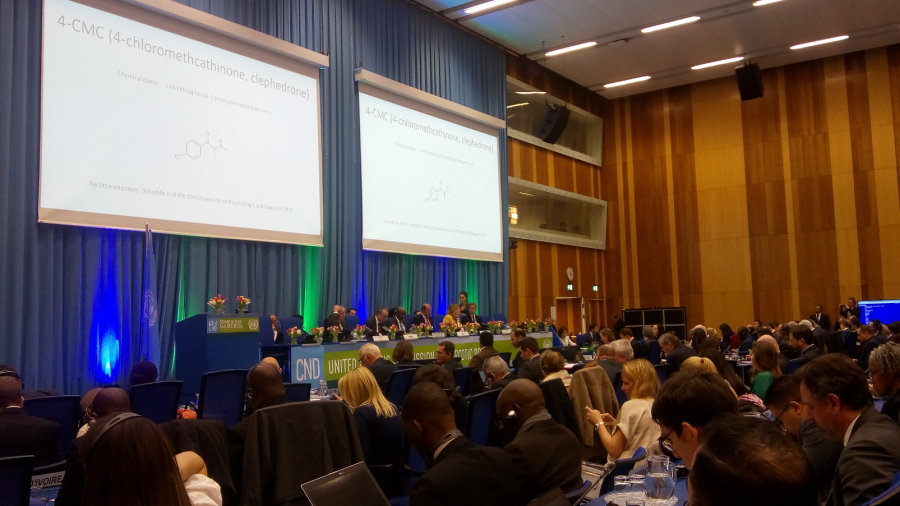
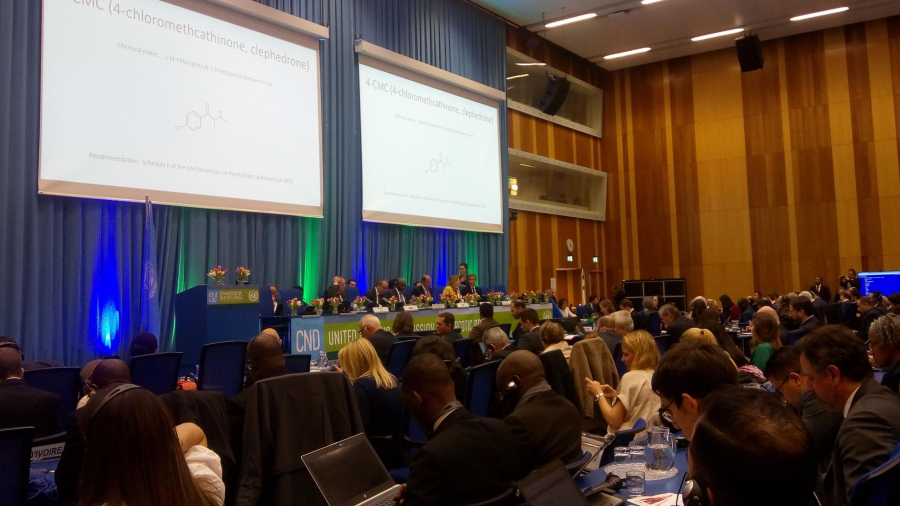
 On the 3rd of March WHO organized an informal dialogue that was well attended by many of our colleagues. Kenzi Riboulet-Zemouli opened the session with a proposal to the WHO to consider and give more weight to the traditional use of psychoactive substances in its guidelines and recommendations.
 With regard to cannabis, the expert committee reviewed CBD and other cannabis substances and recommended that CBD products with less than 0,2 % of THC should not be controlled. The voting was scheduled to happen in the following days, however, it got postponed to December 2020. There have been 300+ questions about this issue and a lot of exchange between the different stakeholders. WHO stated that they are available for further dialogue, but many questions have already been answered. Their position is that CBD doesn’t cause dependence per se and it is not a psychoactive substance. There are medicines produced with only traces of THC in 40 countries, which are marketed in the US and EU for treatment of resistant epilepsy and there is enough scientific data supporting that. The WHO committee pointed out that it is not in their domain to consider industrial or food use, they are looking specifically into medical use only.
 On the question, if it is necessary to launch global campaign on opioid overdose deaths, the response of WHO was that even though it is not an issue in each country in the world, it still is a significant threat and deserves a global response. Availability of Naloxone was pointed out as an important and necessary intervention. Opioids remain one of the main killers when it comes to drug use and there are insufficient programs to deal with this crisis. Substitution therapy was identified as the first treatment modality.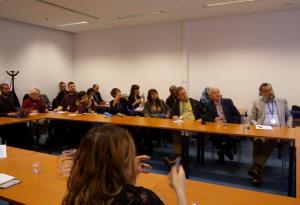
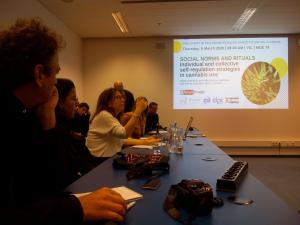
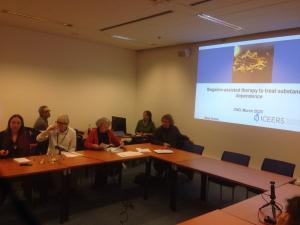 Encod and the Nonviolent Radical Party co-organized a side-event on Friday morning on heroin and ibogaine-assisted treatments in the era of the opiods crisis. Professor Carla Rossi and Christopher Hallam were talking about heroin-assisted therapy as an effective harm reduction treatment. Maja Kohek was presenting the work and studies done in ICEERS on iboga(ine) as a treatment for substance dependence.
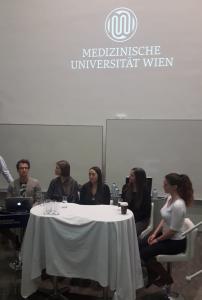 The “Empowering women” side-event was canceled. However, a spontaneous meeting took place after all attended by representatives of SSDP and Encod as well as other participants from South Africa, Canada, Bolivia, Austria, Myanmar, the Netherlands and USA.