


ENCOD STATEMENT ON NEW EU DRUG STRATEGY
ENCOD’s Statement to the Civil Society Forum on Drugs and the European Commission about the
current situation in international drug policy and the need for regulation, based on Human Rights
and protection of Public Health

THIS IS WHAT DEMOCRACY LOOKS LIKE IN THE EUROPEAN UNION
A Nobel Peace Prize to the European Union says more about the selection committee then about the EU.
The EU as an example of democracy, human rights and transparent dialogue? Think again.
Inside the European Union, on a daily basis, human rights are violated and principles of transparency and democracy are overruled by the prohibition on drugs. No serious political debate can take place on the question whether there are safer, healthier and more effective ways to tackle the drug issue.
In december 2004, the European Parliament issued a list of recommendations for European drug policy in which it asked for “measures totally different from those currently selected to achieve the overall EU Drugs Strategy objective, (..) since the relevant proposals are inadequate”.
Nothing happened with these recommendations. In the past 8 years, various experts, former presidents and celebrites have called for an end to the war on drugs. In March 2010, the European Commission published an evaluation report that concludes that drug policies have not only been able to reduce drug problems, they have worsened these problems.
In the coming weeks the European Union will draw up a set of guidelines which will serve as the basis for a Europe wide strategy on drugs for the coming 8 years. The fundament of drug policies, prohibition, remains untouched. Meanwhile, police forces around Europe keep chasing consumers, small dealers and cannabis growers, while harm reduction policies are threatened by cuts in public expenditure.
Drug consumers do not have rights in Europe, they have favours which can be taken away from them any moment.
Who believes the European Union promotes the concept of dialogue with civil society should read the following. This concept has been repeated over and over again in documents released by the various EU drug policy agencies over the past decade; indeed, it was among the main recommendations of many evaluation reports, declarations of EU Drug Summits and even Drug Action Plans. However, such a consultation has never taken place, thanks to the systematic manipulation by the European Commission.

EUROPEAN COMMISSION AND ITS (PUBLIC) CONSULTATIONS ON DRUG POLICY
On 19 October 2011, the European Commission announced a public consultation on drug policy.
For this consultation, a private company was hired (the Rand Corporation). This company organises the consultation through a survey which can only be filled in by people who receive a special code.
We do not know who are the people who receive this code, how they are selected, on which criteria, who they represent, on which evidence their responses are based.
We know some of those who receive this code are those who integrate the socalled Civil Society Forum. Most of them do not represent anyone but a small group of individuals who depend from governmental support. Those organisations are recognised by the European Commission as civil society counterparts not because they represent anyone, but because they support a status quo in drug policies. Thus the voices that call for a profound reform of drug policies, coming from a large majority of those who are affected and concerned with drugs out there where the issues are happening, can safely be considered as “marginal”.
This is what democracy looks like in the European Union.
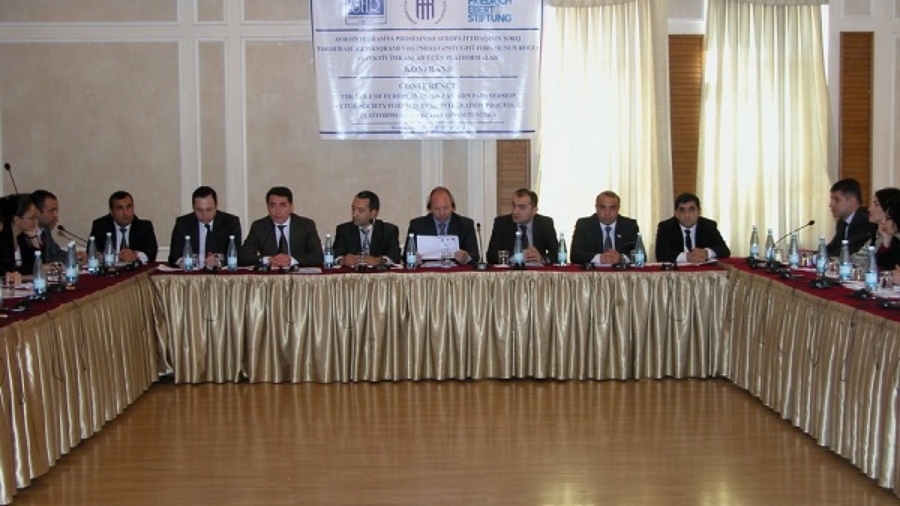
REPORT ON 5TH CIVIL SOCIETY FORUM
On 13 & 14 April 2011, the 5th session of the Civil Society Forum on Drug Policy in the EU was held in Brussels. Frederick Polak and Bruno Valkeneers participated on behalf of Encod.
ENCOD ASKS EUROPEAN UNION FOR A TRUE DIALOGUE ON DRUGS
In this letter written to the European Parliament in september 2005, Encod encouraged the EP to make a start with the organisation of a true dialogue between citizens and authorities on drug policy in the EU.
6 years later, we are still waiting.
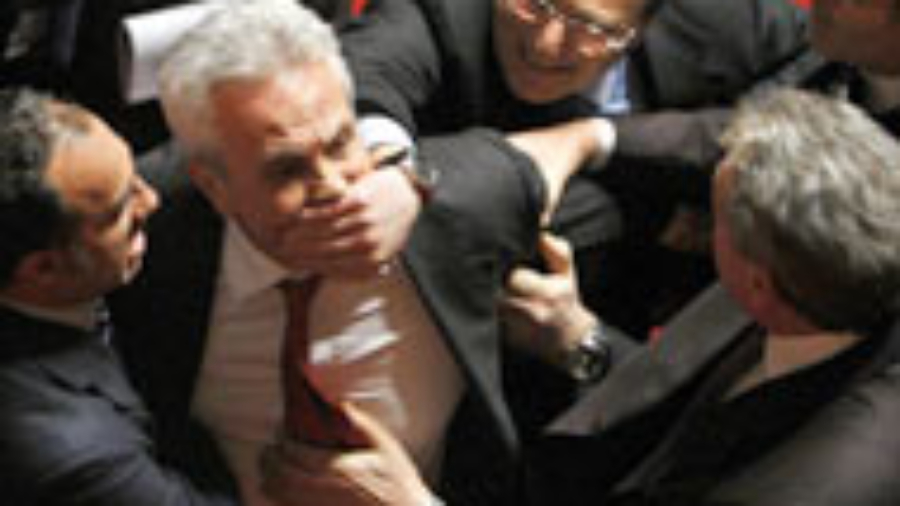
QUESTIONS TO THE EUROPEAN COMMISSION
Questions posed by Members of European Parliament Dennis DE JONG, GUE/NGL, SP and Sophie IN ‘T VELD, ALDE, D66 (Netherlands),

MEETING CORE GROUP FOR CIVIL SOCIETY FORUM
On 8 November, the meeting of the core group of the EU Civil Society Forum on Drug Policy took place. Encod is a member of this group (together with Correlation, Irefrea, INPUD, EHRN and EURAD).
The first meeting of the core group took place on 15 June 2010.
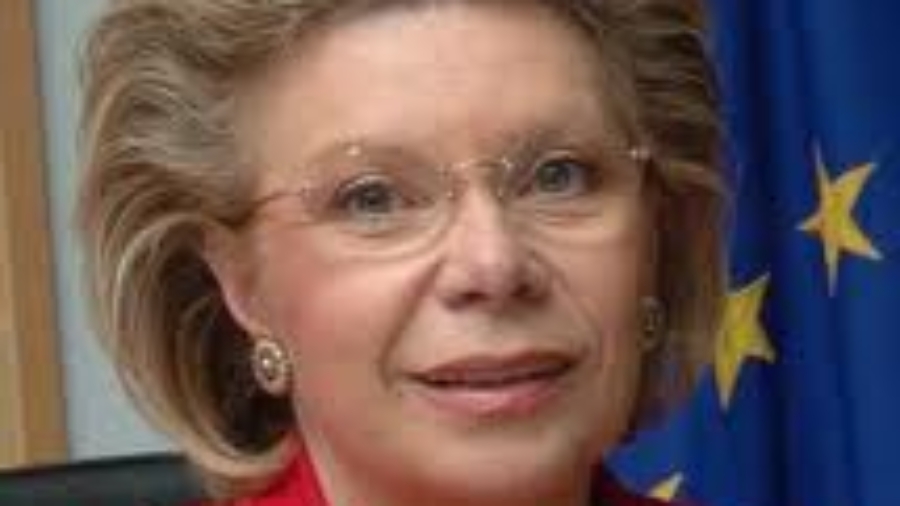
EUROPEAN COMMISSION ANNOUNCES EVALUATION OF DRUG STRATEGY
In an answer to a parliamentary question, Eurocommissioner Viviane Reding announces a new evaluation of drug policy in the European Union.
The question remains if its conclusions will have any impact on policymaking at all.

FOURTH CIVIL SOCIETY FORUM
ENCOD was invited to the fourth session of the Civil Society Forum on EU Drug Policy that will be held on December 13th and 14th 2010 in Brussels, Belgium. The agenda of this meeting was prepared at the meeting of the core group to take place on 8 November 2010
Read also the report on the last CSF produced by ENCOD, UNAD and INPUD.