

MEDICAL OR RECREATIONAL: A DISTINCTION WITHOUT A DIFFERENCE ?
MEDICAL OR RECREATIONAL: A DISTINCTION WITHOUT A DIFFERENCE ?
What is the difference – how might we distinguish – between the recreational use of cannabis and the medical? : a question this that is bound to be at the forefront of discussion when government representatives debate the issue of legalisation.
According to the law, until 1971 cannabis was a substance of potential therapeutic value: it could be prescribed medically. During that year however, with The Misuse of Drugs Act, its status was re-defined: it ceased to be legal. The Government had performed an about turn.
This was largely due to British agreement with the United Nations Single Convention on Narcotics of 1961, in which cannabis was classified as a dangerous drug of no therapeutic value. The British Government claimed that cannabis was being misused as a recreational drug.
The justification of the new law has always seemed spurious, and as time has passed increasingly so.
To begin with the negative case against the ruling: cannabis is not nicotine, is not alcohol. It is incomparably less dangerous than these, if dangerous at all.
There has not been a single instance of reported death for which cannabis is directly responsible, whereas, repeatedly, studies have linked tobacco with cancer, with high blood pressure, and with emphysema and a variety of other lethal conditions. Yet it is cannabis that is outlawed, while tobacco, currently, is available in Britain to anyone over 16-years-old.
And as with nicotine, so with alcohol; and intoxication. No study has been able to establish that the ‘high’ or intoxicated state that results commonly from the smoking of cannabis has behavioural consequences of a significantly pernicious kind. Indeed the consequences are by and large benign.
This is hardly the case – to put it mildly – where alcohol is concerned. Alcohol-addiction is the worlds most debilitating and destructive disease. Yet in general, in Britain and the Western World, it is alcohol that is the socially approved and permitted option, and the legally endorsed; not cannabis.
We turn now to the more positive argument for reversing the 1971 ruling. What at once needs emphasising at this point is the unbifurcated, holistic nature of our purpose. We are not campaigning for the recreational and medicinal usage of cannabis (to bring ourselves round again to our initial question), for to state the case that way is to presuppose in our argument, or to build into it, a false dichotomy. As far as we are concerned, the recreational very largely is the medicinal, the medicinal the recreational. We are aware, for instance, nowadays, that cannabis can contribute valuably to the treatment of nausea, chronic pain, asthma, multiple sclerosis and various other ailments. Yet to affirm this baldly could conceivably mislead, by obscuring more subtle propositions. We might be truer to our cause if we began with the proposition that cannabis is a mode of self-medication. Animals, we hear, self-medicate by digesting plants and other matter. And so possibly with human beings: many if not most cannabis users (so some researchers believe) are intuitively medicating themselves for stress and / or depression. Which is a way of saying that the cannabis user is not for the most part a person in quest of a ‘high’, or seeking consciously the cure for an ailment, but a human being searching intuitively for recreation: the re-creating of himself (or herself).
This might all seem, and in fact in part obviously is, hypothetical: the jury is still out where self-medication is concerned.
For all that, what is at stake here is an issue we cannot and should not ignore. The cannabis user does himself and his cause no favours – the established opposition being what it is, an embattled force led by people with a propensity to simplistic thought – if he himself understates the complexity and subtlety of his essential purposes.
His theme ought to be that the line between the medical and recreational use of cannabis is blurred, and probably non-existent.
A Legalise Cannabis Alliance publication 1999:
http://www.lca-uk.org PO Box 2883, Stoke-on-Trent, ST4 9EE
Video: Paco from amigosdemaria speaks about Cannabis Social Clubs
A short video on Cannabis Social Clubs, in Spanish and English
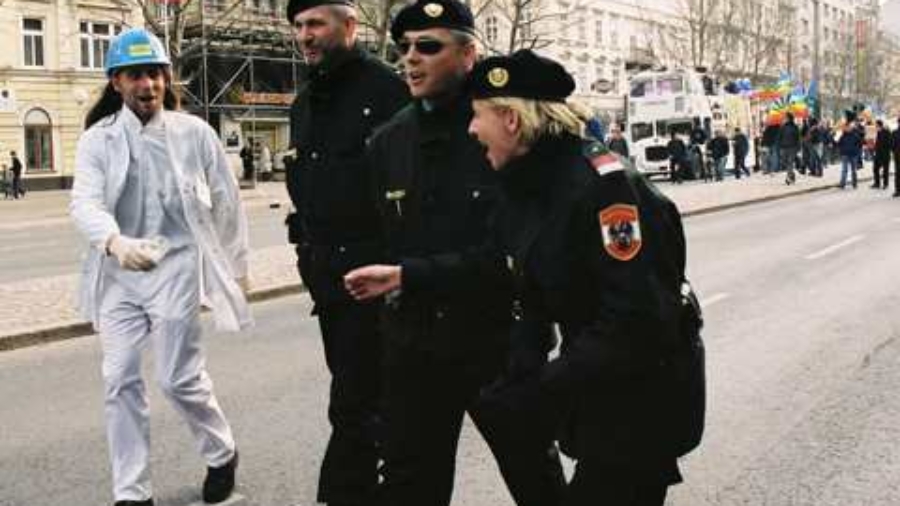
SPEECH AT IHRA CONFERENCE, MAY 2007
WHY HARM REDUCTION SHOULD CHALLENGE DRUG PROHIBITION
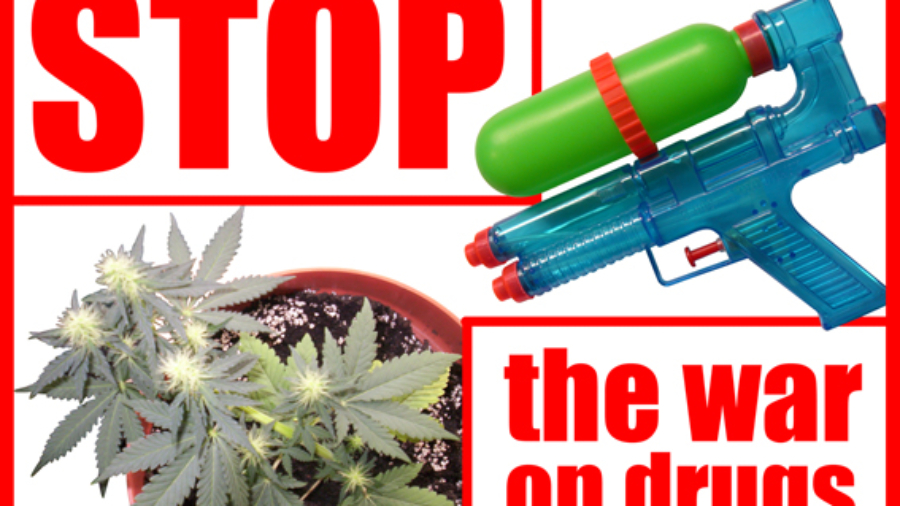
STATEMENT TO UN CND, March 2007
From 12 to 16 March 2007, the 50th annual meeting of the United Nations Commission on Narcotic Drugs will take place in Vienna. This will be the last time this Commission meets before the crucial deadline of 2008, when an evaluation should be presented of the global efforts on drug control in the past ten years. An ENCOD-representative will be present at this meeting. ENCOD will present the following statement, signed by the Steering Committee Members.
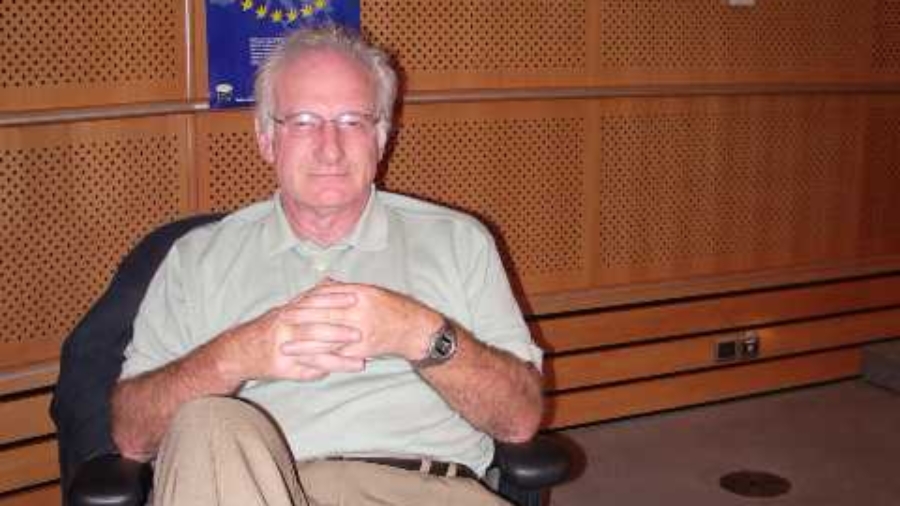
SPEECH PETER COHEN, AT CONFERENCE “ROAD TO VIENNA 2008”, NOVEMBER 2006
Europe and the mumbling grave stones.
Presentation in the EP nov 7 2007 Bruxelles
Peter Cohen, Encod member, Amsterdam, The Netherlands
STATEMENT TO EU DRUG SUMMIT, MAY 2004
A CHANCE FOR EUROPE
THE WAY TOWARDS JUST AND EFFECTIVE DRUG POLICIES
STATEMENT OF THE EUROPEAN NGO COUNCIL ON DRUG POLICY TO THE EUROPEAN UNION CONFERENCE ON A NEW STRATEGY ON DRUGS
10/11 MAY 2004 – DUBLIN, IRELAND
STATEMENT TO UN CND MEETING, MARCH 2004
WE COULD ACCEPT THE DIALOGUE
Vienna, 17 March 2004
To the delegates to the 47th annual meeting of the United Nations Commission on Narcotic Drugs
LCA: UK GOVERNMENT FAILS ITS DUTY, MAY 2007
PRESS RELEASE OF THE LEGALISE CANNABIS ALLIANCE
19 MAY 2007

TREKT UW PLANT NOT A CRIMINAL ORGANISATION, APRIL 2007
‘De facto’ acquittance in trial against association of cannabis producers in Belgium
25 april 2007