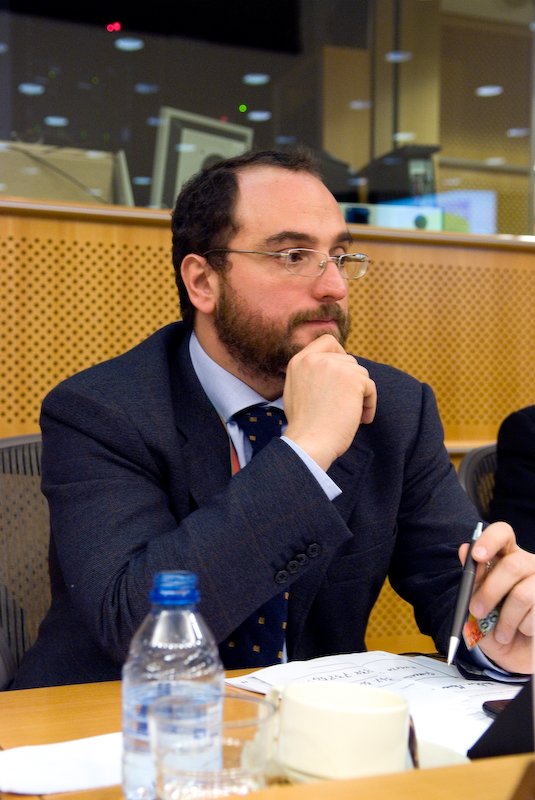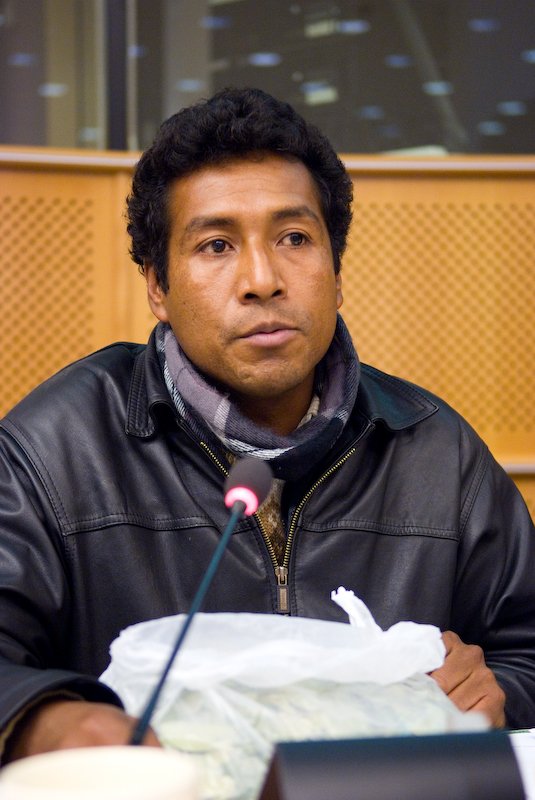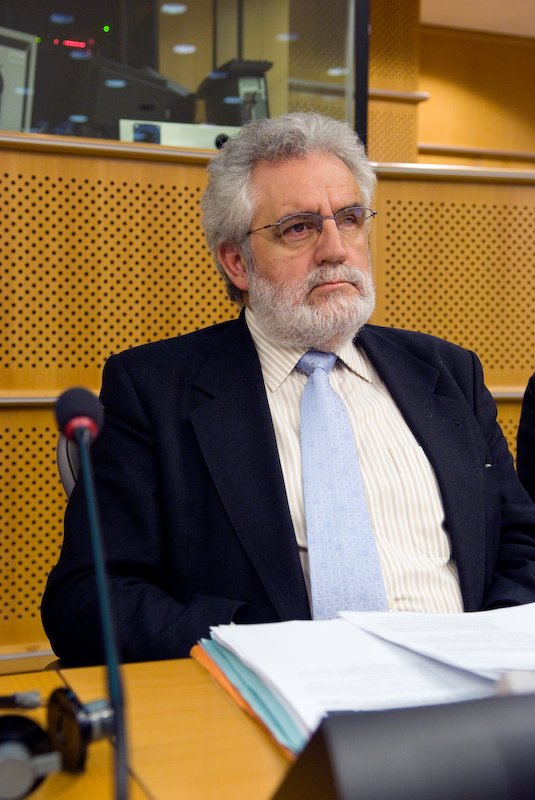

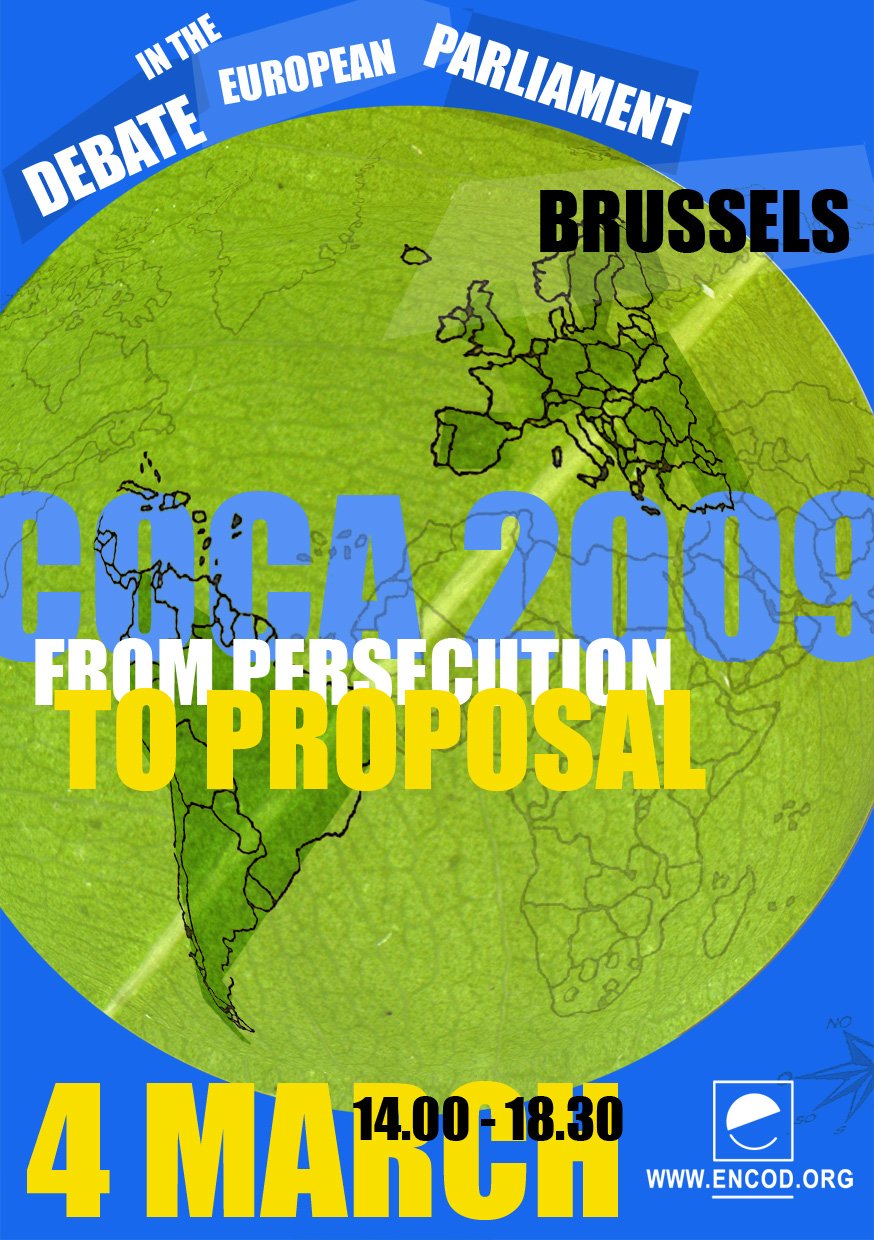
DEBATE IN THE [EUROPEAN PARLIAMENT
>http://www.europarl.europa.eu/],Rue Wiertz, BRUSSELS
(Translation in English, Spanish, Italian and French)
ROOM A 1 G 3, ALTIERO SPINELLI BUILDING
WEDNESDAY 4 MARCH 2009
14.00 – 18. 30
DOWNLOAD THE BANNER
THE COCA DEBATE ON YOUTUBE
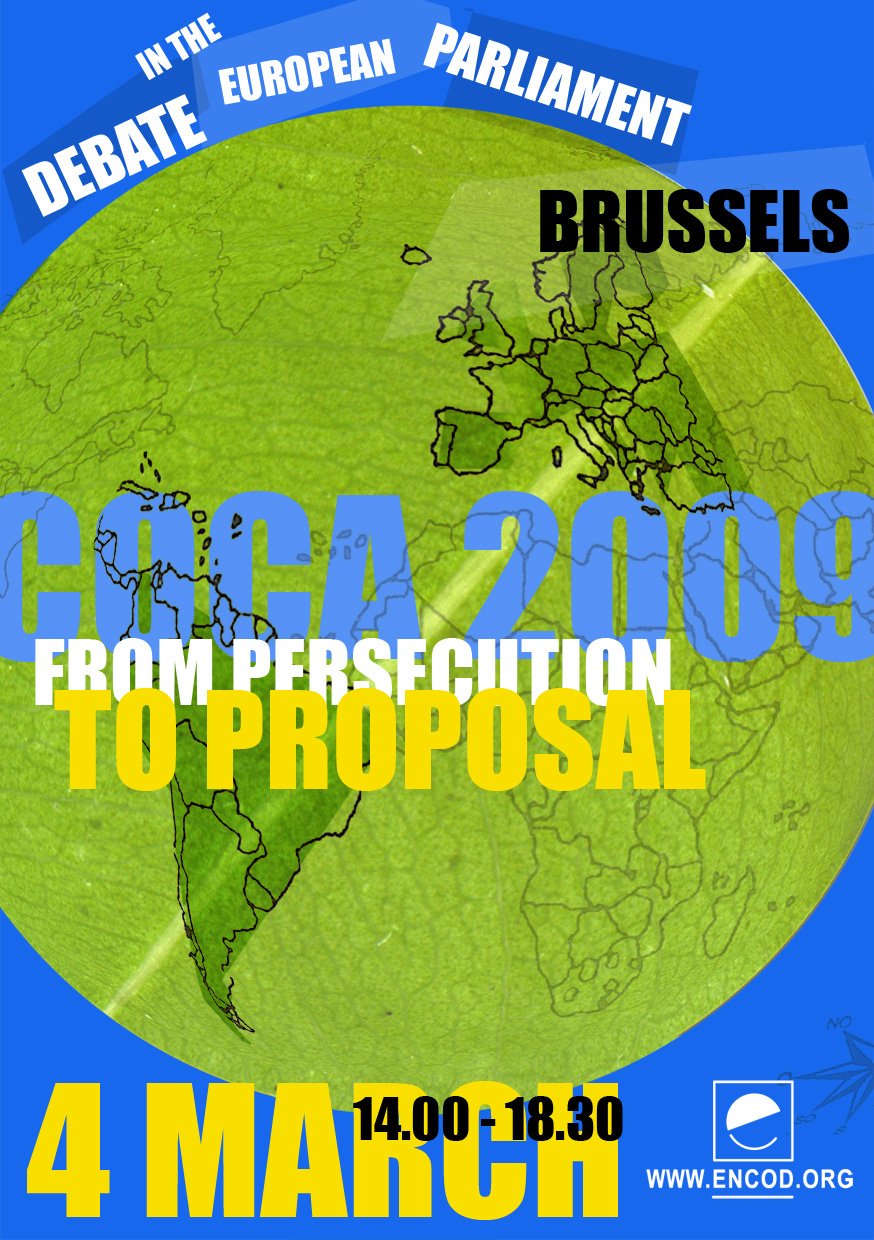
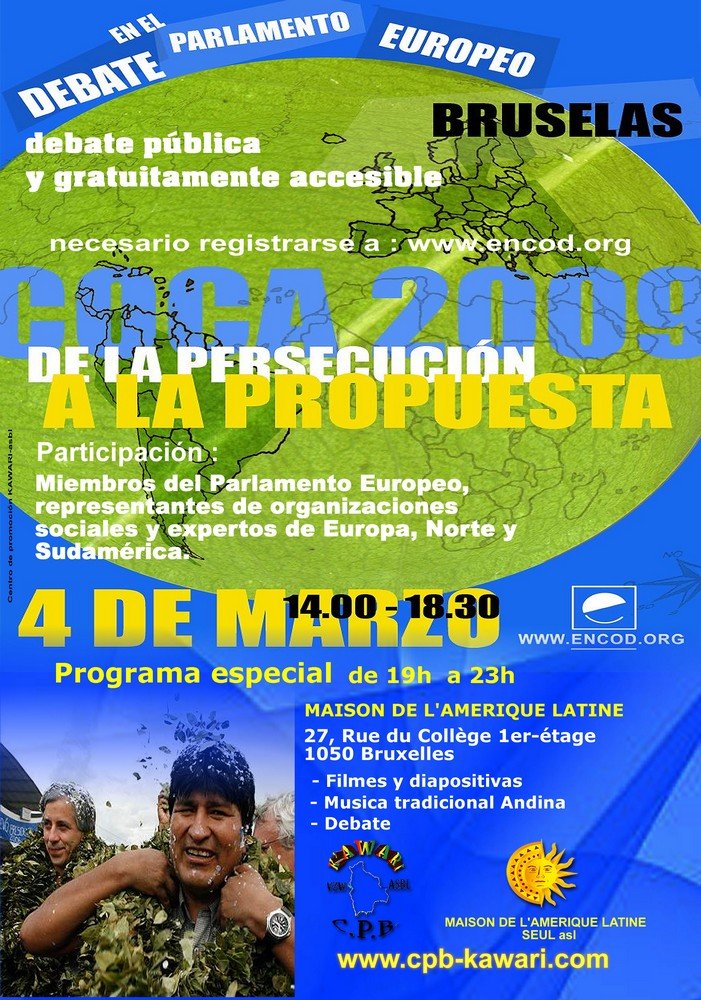
Coca 2009: from persecution to proposal
Past experiences and future perspectives of EU policy with regards to the coca leaf and a possible market for legal coca products in Europe.
On 4 March 2009, from 15.00 to 18.30 hs, ENCOD will organise an afternoon of debate and reflection in the European Parliament in Brussels.
Various Members of the European Parliament, representatives of social organizations and experts from Europe, North and South America will participate in this debate A definitive programme will be available soon.
The event is organised with the intention to gain as much support as possible from Europe for the proposal that the Bolivian government will present in Vienna the following week.
History
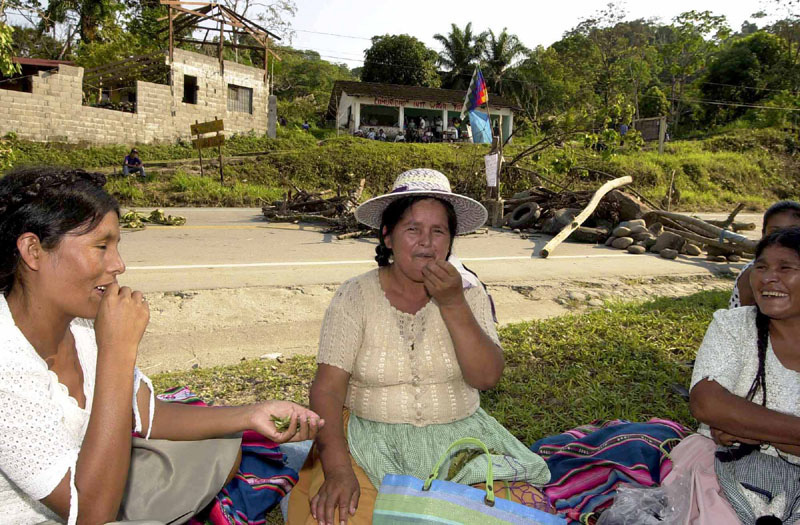
In 1995, ENCOD organized the COCA 95 campaign, with the participation of organizations of coca producers from the Andean region.
The aim of this campaign was to inform the European public and political sector on the proposal to depenalise the coca leaf and in this way create legal possibilities to commercialise traditional coca leaf products, in Europe.
This proposal would make an end to European support to US policies of forced erradication and crop substitution of coca cultivation in South America, and in stead give economic perspectives to coca growers and limit the supply of coca leaves to the illicit production of cocaine.
After almost 15 years the conclusion is not very positive. The coca leaf continues to be classified as a prohibited substance according to the Single Convention on Drugs of 1961. Violent conflicts continue in relation to coca leaf cultivation in producer countries, while the economic situation of coca growers has not improved and the illicit supply of cocaine to consumer countries has not diminished.
From March 11 to 13, in Vienna, a UN Ministerial Summit on Drugs will take place, that will establish the guidelines for a global strategy on drugs in the near future.
On this meeting, the Bolivian government, under the presidency of Evo Morales, who as a coca grower leader participated in the COCA ’95 campaign, will present a proposal to redraw the coca leaf from List 1 of Controlled Substances that is attached to the 1961 Single Convention.
On 12 March 2008, the European Parliament approved a report with the following recommendation: “calls on the European Commission and the Member States to explore ways of co-operating with EU-civil society organisations involved in promoting substances derived from the coca leaves for lawful use, ensuring at the same time the safe use of such substances”.
As a platform of social organizations, companies and individual citizens representing European civil society ENCOD has joined forces with organizations of coca growers in Bolivia to elaborate a possible model for sustainable commercialisation of traditional coca leaf products, that are produced in Bolivia under strict governmental and social control.
PROGRAMME COCA 2009
15.00 – 15.30
A crucial link in European-Andean relationships
Three testimonies on the importance of the coca leaf issue for the relationships between Europe and the Andean Region
Giusto Catania, MEP, Italy
Felipe Cáceres, Vice-minister of Social Defense, Bolivia
Joep Oomen, Encod, Belgium
15.30 – 16.45
48 years of prohibition
Three reports on the impact of the policies of erradication and forced substitution of coca fields in Andean society
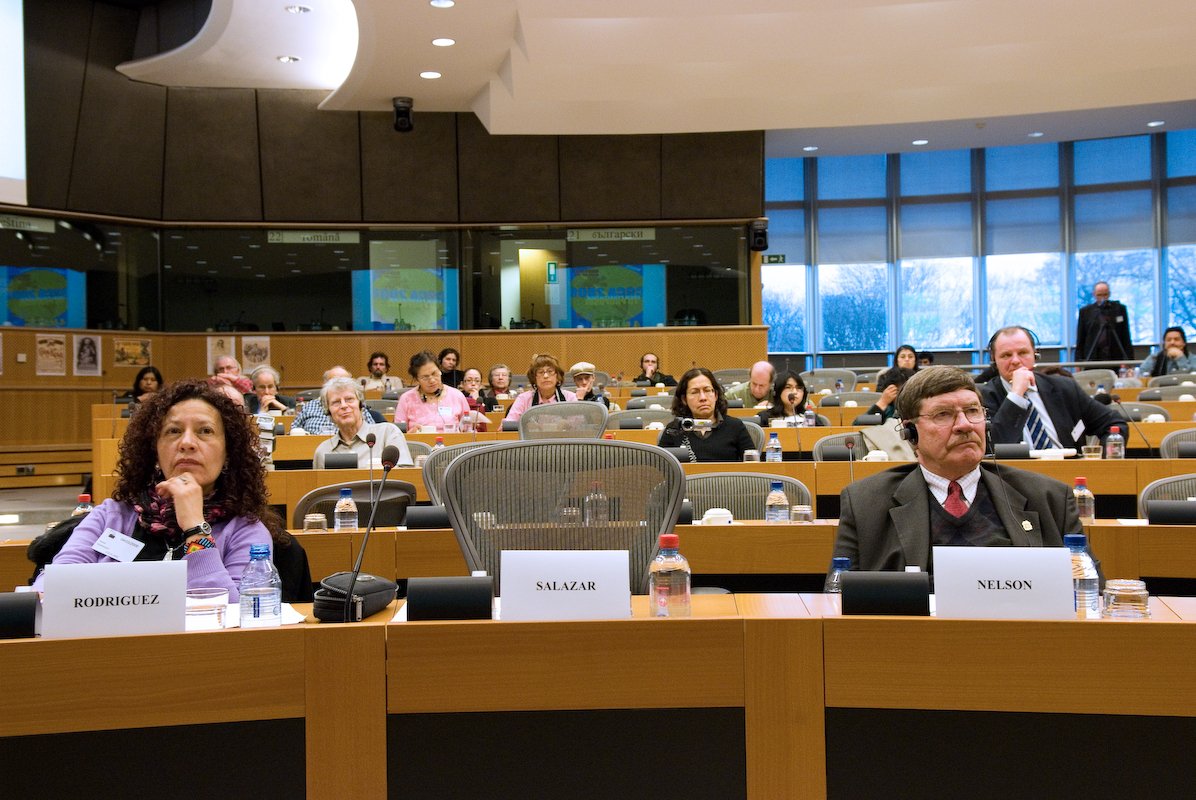
Terry Nelson, LEAP, United States
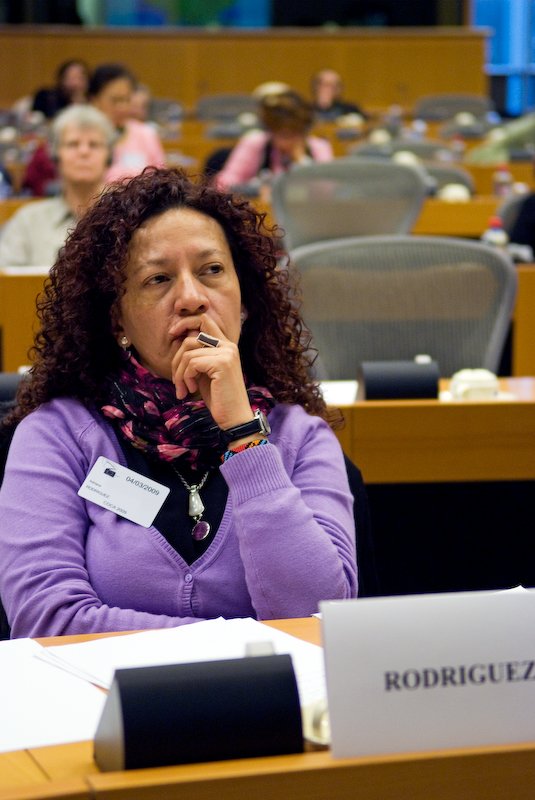
Adriana Rodriguez, researcher, Colombia
Asterio Romero, Committee of the 6 Federations of Peasants of the Tropical Region of Cochabamba, Bolivia
16.45 – 18.00
Towards new solutions
Three proposals on an effective policy with regards to the coca leaf, aimed at improving the situation of coca producers in a sustainable way.
Felix Barra, COFECAY, Federation of Peasants of the Region of Los Yungas, Bolivia
A representative of COOP, fair trade supermarket chain, Italy
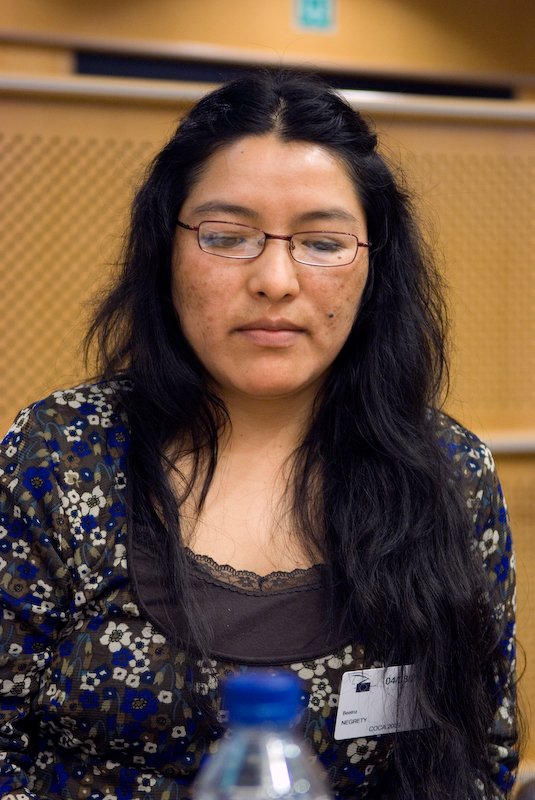
Beatriz Negrety, researcher, Bolivia
18.00 – 18.30
Conclusions
With the participation of various Members of the European Parliament:
Presentation of the collection of the Coca Museum from Paris, France
Access to this debate is public and for free. If you wish to attend this meeting, it is necessary to register. Please copy the following form and send it before 23 February 2009 by email to coca2009@encod.org
REGISTRATION FORM
I wish to participate in “Coca 2009: from persecution to proposal”
Name:
Date of birth:
City of residence:
Nationality:
QUESTIONS AND COMMENTS
If you are not able to make it to Brussels on 4 March but would like to put a question or comment that should be dealt with during the debate, please send it to coca2009@encod.org