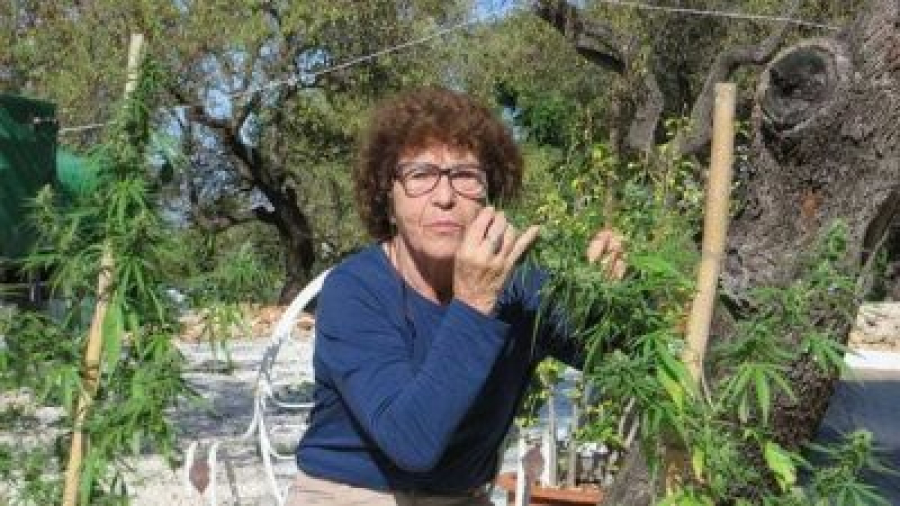
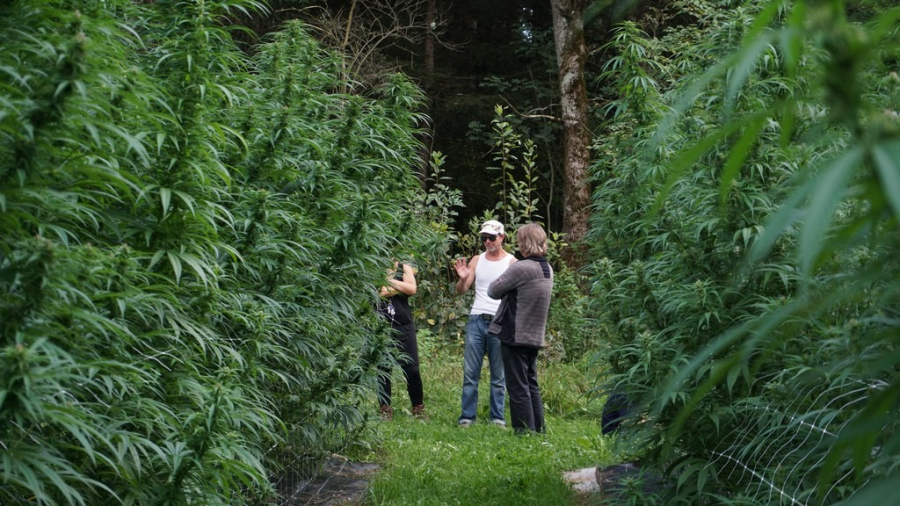
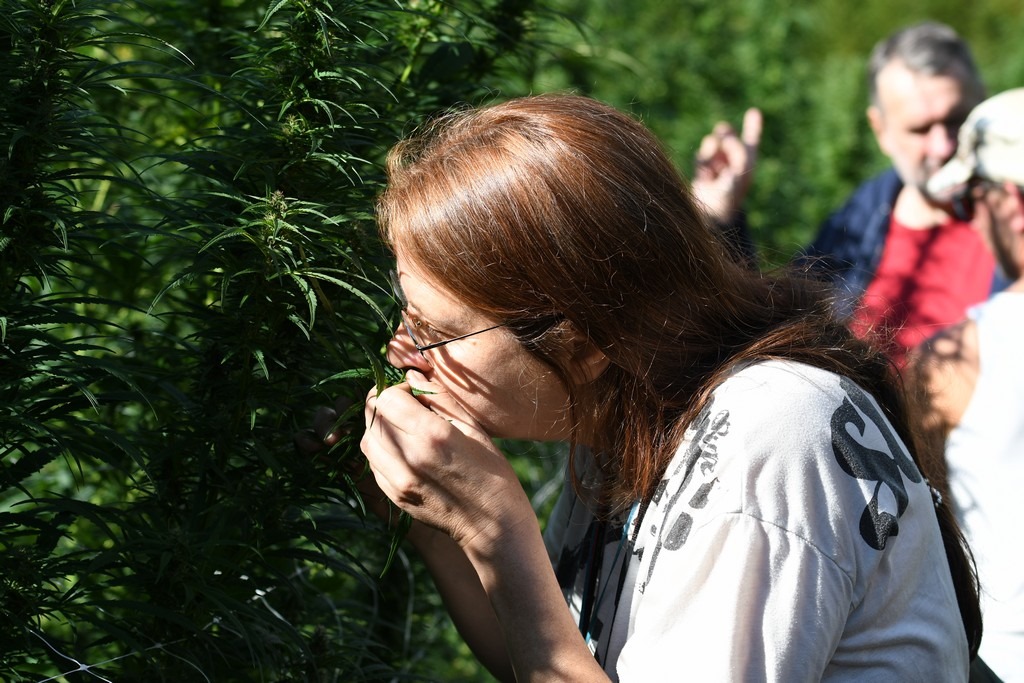
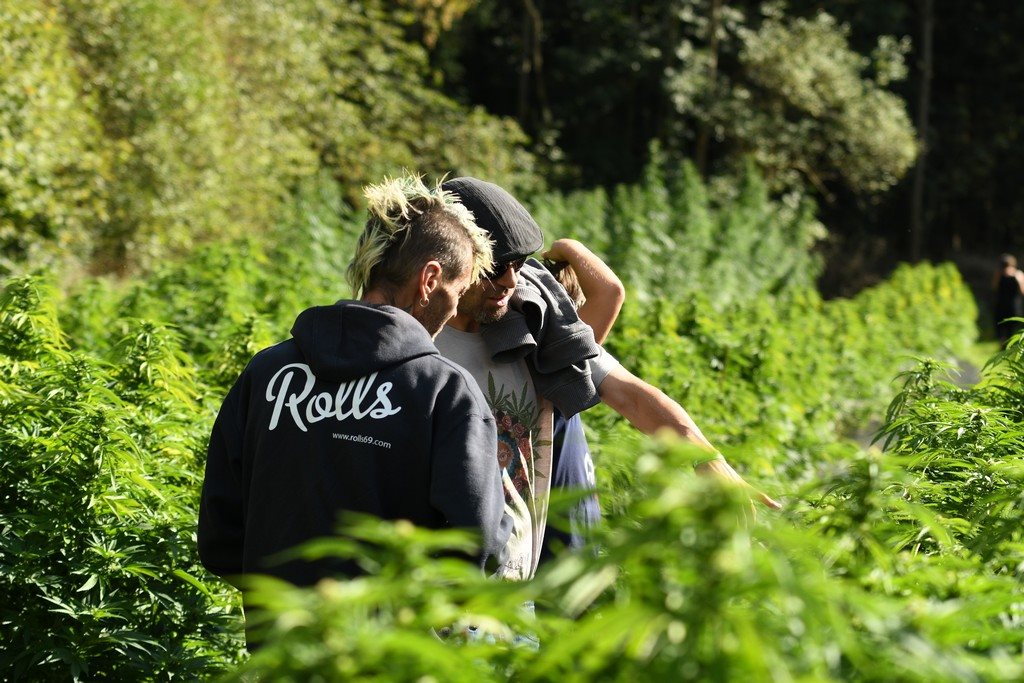
ENCOD GA Berlin 2024

ENCOD General Assembly, 10-12th october, in Eindhoven.

Dear Members,

On behalf of the ENCOD Executive Committee, it is our pleasure to formally invite you to the upcoming ENCOD General Assembly, which will be held from 10th to 12th October 2025 in Eindhoven, the Netherlands.

The General Assembly is our most important yearly gathering, offering an opportunity to review the past year’s activities, exchange perspectives and experiences, and define strategies and priorities for the future of our network. Your presence and contributions will be invaluable to ensuring that ENCOD continues to grow and represent the collective interests of its members across Europe.

Practical Information:

  • ●  Location: Hertogstraat 2-N, 5611 PB Eindhoven, the Netherlands (link)
  • ●  Dates: 10–12 October 2025Further details, including the program and logistical arrangements, will be shared in due course. We kindly ask you to confirm your participation no later than 25 September 2025 to office@encod.org.

    For members unable to attend in person, participation will also be possible online. A connection link will be shared with all registered participants in the coming weeks. We ask you to create a short video, no longer than 10 minutes, in which you present your country report.

    Please note that in accordance with ENCOD’s statutes, delegation of votes is permitted; however, each participant may carry a maximum of one delegated vote in addition to their own.

    We look forward to welcoming you to Eindhoven for what promises to be a productive and inspiring assembly.

    Warm regards,
    ENCOD Executive committee Farid, Ana, Gaby

Invitation

AGENDA Annual General Assembly

Inner Circle Positions


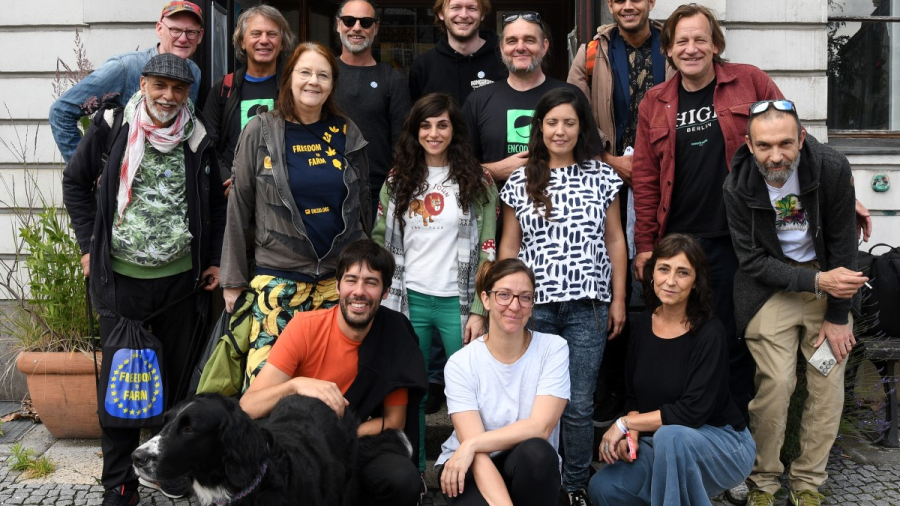
ENCOD GA Berlin 2024

ENCOD and our duty toward a new policy on drugs.

ENCOD and our duty toward a new policy on drugs. 

Since 1993, ENCOD has been advocating for drug policy reforms based on a humane, just and effective approach. In four points below we’re describing below what ENCOD is struggling for, and we hope that you’ll follow and support us to make this.

First

We’re defending the right of the people to use drugs in a responsible manner, free from stigma and discrimination. We are defending a humane approach which allows people to alter their mind and enhance their consciousness with proper substances, within the Harm reduction paradigma. So that we’re advocating for the decriminalization of all drug uses. Also, we are strongly opposing the counter drug policies that are opposing Human Rights with law enforcement measures, especially those countries using the death penalty against drug offenders (or those supposed)!

Second

We’re advocating for the people to grow (not only their rights) their own plants, because we know that the best way to tackle the market logic of making money and profit over the trade of some products, and to design the cultivation up to the needs of the people. 

The right to grow, the freedom to farm up to the needs of peoples. We’re still wondering why the international narcotic control still keeps a large part of the world population in suffering because of the lack of access to pain killers. As well as we need Cannabis or Coca for medicine, we need to reconsider Poppy for medicine to end this global inheritage of the “war on drugs, which is a war on the (poor) peoples”.

Third

We have been defining a way to manage the market within the social and solidarity economic growth, by establishing the rules and code of conduct of the Cannabis Social Clubs, a design model that can also be adapted to other drug types. We therefore are promoting the self supply of consumers, out of scope of the capitalist way to make money. This model allows the real democratic monitoring of activities respecting the will and rights of the people to manage their needs.

Fourth

ENCOD is still advocating for a global approach to illicit market, not only the substances, but all related criminal activities like the money laundering, human trafficking, and other precious ressources as wood timber, gems…etc.    

EU level

At EU level, we as ENCOD are still promoting the implementation of the Catania report adopted by EU parliament on december 14th, 2004.

At  EU level, we as ENCOD are always concerned by the claim of the respect of Human Rights, and policy based on the respect of those principles, as it was adopted recently by the Council of Europe, in December 2022.   

At EU level, even if it is a step by step (either than federal), country by country reform, we are very supportive of the Malta ongoing process, as well as we’re trying to push Germany into the right direction, and we are very enthousiast with the ongoing process in Czech Republic which is driving a very new innovative framework by defining “psycho modulatory substances” to be regulated. 

Support ENCOD

We as ENCOD are still keeping up grassroots claim for drug policy reforms, adocating from local cities to United Nations. Please support ENCOD and all our efforts for just and effective drug policies.

Farid Fisto 01

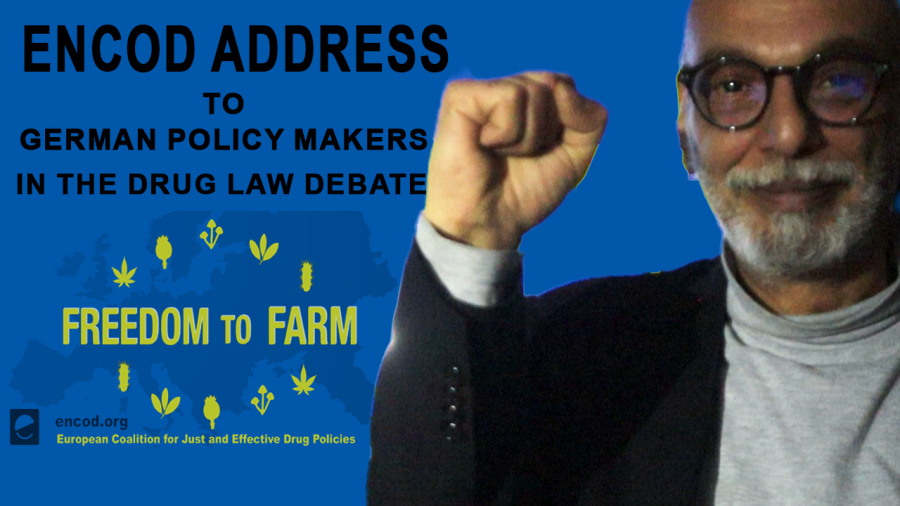
ENCOD Address Germany December 2023

to German Policy Makers in the drug law debate

We, as ENCOD are closely looking at the development occuring in Germany, as we already supported some groups of citizens who are trying to set up Cannabis Social Clubs in conformity with our CSC guidelines published in 2020.

FILLER

Since 1993  we, as ENCOD have been engaged to promote human rights and health through drug policy reforms based on scientific evidence and the will of policy makers to implement laws and rules that are just and effective.
Our advocacy work is based on the claim and on the grassroots initiative of peoples who are first concerned or affected by drug policy laws and policies. 

We, as ENCOD are closely looking at the evolutions occuring in Germany, as we already supported some groups of citizens who are trying to set up Cannabis Social Clubs in conformity with our CSC guidelines published in 2020.

We, as ENCOD are deeply concerned by the lack of seriousness – or at the opposite the extreme need to overrule having appeared during the last months, with proposals leading more and more into a very negative path of regulation of the cannabis market, a little bit unrealistic. It seems that German policy makers would like to ensure that it will not work before it is voted!

ENCOD will fight any attempt to build a prohibition 2.0 model, which will surely lead to more problems than one century of prohibition had already caused to societies. 

Here below, we’d like to propose to you the following roadmap, with the hope that it will help to clear the way and avoid some extremely useless measures. 

Our roadmap proposal is based on many principles for which we hope you’ll share their motives : 

  • We need a liberal approach to drugs, not trivalising drugs, not calling drugs free of danger, but on the opposite, drugs should be monitored smartly.
  • We need a pragmatic approach that first gives priority to scientific data and good practices that can be testified. For instance, the Dutch approach in the 70’s with the coffeeshops and the Harm reductions measures has ensured a real prevention of drug use among the youngest, which still makes the Netherlands to remain one of the lowest EU countries’ prevalence among minors.
  • We need to ensure that it can help to empower the healthcare system by avoiding the misuse of financial resources and by spared taxes to fund adequately health care system needs. A real regulation of the cannabis market could help to save a lot of budget for the health care system !
  • We need to diminish the social costs due to drugs, with alcohol and tobacco, and ensure that cannabis products are safely used with harm reduction measures. 

At least, the German new law and new policy towards Cannabis could remain on experimental path e.g. for 3 to 5 years, so the laws and the policy can be adjusted if necessary. The CSC model is also an excellent place to run long-term evaluation studies for a lot of fields of study.

Our roadmap for the future is based on the Potsdam spirit, and we should be clear that we speak the same language.

Framework of regulations for the Cannabis market

General overview of the Roadmap plan

  • Decriminalization of drugs use
  • Regulation is possible under C61 art 2.9
  • Homegrow best to tackle black market ; CSC for the concerned “who deserve a place to exist”
  • Need to debate on the rules for society: no to the minor ; Responsible adult use; public use; advertisement, publicity, incomes use of taxes; harm reductions measures; 
  • Consumption and production issues : 
    • Production : limited surfaces but unlimited number of license to grow ; Rules for cultivation and sanitarian obligations ; 
    • Consumption : out of homegrow for self supply, and Cannabis Social Clubs for the “connoisseurs”, need to establish Cannashops / Cannabars / Drogueries store where adult people can buy Cannabis products – but a control should remain over the products which should avoid byproducts made with neocannabinoids. 

Roadmap for regulation of Cannabis sativa L. in full compliance with international law : Full article

Steps to take at the national level by German government

Following the example of Malta, German government legalization bill could suggest the reference to Article 2(9) indirectly, by:

  • Defining adult use/recreational use as “use for other than medical and scientific purposes”
  • Defining “abuse” as “substance use disorder”
  • Defining the sector created as “cannabis industry”
  • Enacting strong measures of harm reduction
  • Adopting a system to collect data towards yearly submission to INCB

Taking these steps and adding such language in the law (for example, in the “definitions” section or preambular section) has “considerable probative value” because it contains a “recognition by a party of its own obligations under an instrument.” 

Like in Malta and Uruguay, the “non-medical cannabis industry” regulated can take the shape of Cannabis Social Clubs or any other model: the concept of “industry” and “non-medical” is not tied to any economic or organizational model. 

Cannabis Clubs are just a local non-profit industry model.

Give it a try! Start models and evaluate! As a country of brilliant scientists this is one of the strengths of Germany – use brains not muscles!

I want to thank all our German friends and all supporters of ENCOD.

Thank you for your attention. 

ENCOD
European Coalition for
Just and Effective Drug Policies

SaraG Anguis Drug War small 01

Free Sara Glatt 2023

UPDATE: Sara Glatt is now released, we wish her all the best for her future.
July 2023: Sara Glatt is now incarcerated in The Netherlands. According to informants she will be released in September.

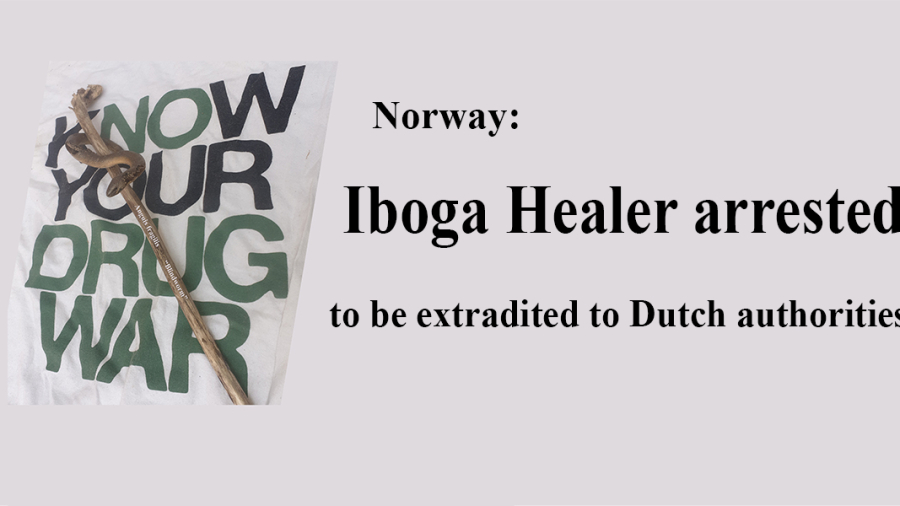
Iboga Healer Sara Glatt arrested in Norway, to be extradited to Dutch authorities.
Erec O. Kozàr
26.06.2023

Alternative medicine healer Sara Glatt was arrested in Norway and is to be extradited, as a result of an international arrest warrant by the Dutch authorities, according to whom she still has to serve 2 years and 3 months of a sentence she received some ten years ago.
Sara Glatt was sentenced to prison in The Netherlands. Incarcerated as punishment for the accidental death of an alcoholic she treated, but who unfortunately decided to quit the addiction treatment many days prematurely.
There was also the death of a woman in Sweden, the circumstances of which seem opaque, please see our article In dubi pro reo: Free Sara Glatt, written by Maja Kohek.

Sara Glatt treated the man in The Netherlands with the psychedelic iboga root .
Tabernanthe iboga is an evergreen rainforest shrub native to Central Africa, for more info we recommend to look at sites  Global Iboga Therapy Alliance and ICEERS Iboga and Ibogaine.

Iboga is ideally being used in specialized clinics, where possible, in order to cure people from often life threatening substance addictions. Sometimes, like in Sara’s case, the procedure takes place in private homes.
Mrs. Glatt says she has cured around one thousand individuals of their substance addictions.
 
Iboga treatment is proven by many successful treatments to be one highly efficient way of curing people of their addictions, it helps to erase the need of continued substance use and thus opens the path to a normal, healthy life in society.
Prohibition prevents this kind of treatment in many countries, so like any illicit substance, iboga is taken in secret, where safety sometimes is lacking.
Iboga treatment centers exist in some places where Iboga is not or kind of not prohibited.
Those clinics have special trained medical staff, who assist patients and can help them through difficulties. The procedure is not without dangers, requires discipline from everybody involved. The treatment might take many weeks to complete, depending on the individual needs.


Patients with the necessary financial funds may easily travel to a country, where Iboga treatment centers are available. Sara Glatt has decided to offer her services, forced by authorities to operate under maybe not ideal conditions.
What to this author’s thin knowledge happened in the case in the Netherlands 2012: Sara treated an alcoholic in her own home. The man got aggressive, as alcoholics tend to do, demanded to be released to a nearby hotel. Two days later he walked onto a highway and was overrun by a truck.
Killed by a truck, the Dutch authorities ruled it must be the psychedelic substance iboga to blame, not the lethal neurotoxin alcohol, which may or may not made the man lose his life to a moving vehicle.
We can observe it in connection with mixed consumption of alcohol and cannabis. mixing legal and illegalized drugs. The illicit substance is usually easy to blame, ignoring the well known brain- and nerve damaging effects of the drug alcohol.
Sara Glatt probably violated the privileges of established doctors and pharmacologists in The Netherlands, which could well be the true secret reason why they wanted the “Witch of Kockengen”, as she is titled in Dutch media, behind bars.
Patient’s death in established academic medicine is regrettably nothing unusual, doctors lose patients. It is a terrible thing for any practitioner, a pain they all have to live with.


Sara Glatt lives to heal people. She is an exceptionally courageous individual, who is willing to take a lot of personal risk to her own safety and well being when helping people.
Taking that risk may well be the worst thing she can be accused of.
Many people thank Sara Glatt for helping them to gain a life in peace, to be free from pressure and stigma, having gained or regained control and joy of their lives.

It is ENCOD’s position that both Sara Glatt and her deceased patients are victims of prohibition, victims of the inhumane War on Drugs, which has been officially declared by US president Richard Nixon in 1971 and has claimed hundreds of thousands of lives since, destroyed families, ravaged communities everywhere in the world.
“War on Drugs” is war on people, as people have always been traditionally cultivating drugs.

We at ENCOD are convinced that bad drug laws do more harm to people and society than the drugs themselves, if drugs were legal and regulated.


Therefore ENCOD – European Coalition for Just and Effective Drug Policies, member of the VNGOC at United Nations Organization, with ECOSOC status, formally protests against the judgment of the Dutch authorities: we oppose the demand to extradite Sara Glatt, an extradition which is scheduled to proceed these days.
We appeal to the Dutch authorities to pardon Sara Glatt, considering her honorable wish to heal people from their drug related suffering. 


We appeal to all European countries to review their drug laws immediately, focusing on the needs of their citizens, not blindly defending the privileges of an established system.
ENCOD invites all recipients to enter the public dialogue about treatment with psychedelics, by participating in civil society, discussing the latest scientific developments and discoveries in this field. Multidisciplinary Association of Psychedelic Studies.

ENCOD appeals to Norway please stop the extradition of Sara Glatt. In the spirit of justice and human rights, a spirit which we know is strong in Norway.
This is a little late to appeal to Norway, the decision about Sara Glatt’s extradition has been made. But any decision can be revoked quickly, embracing human rights at heart.

In many places in our world war is a terrible reality.
“War on Drugs” – Prohibition is a terrible failure. If the intention was to bring peace in the first place, why not declare “Peace on Drugs”.
Prohibition kills thousands of people every day. How many drug related murders happen because of greed and obedience to inhumane laws?
Declare peace, to immediately end suffering, humiliation, death.
To punish a healer so severely shines an interesting light on the cynicism of modern society.
Please free Sara Glatt.

Our condolences to all victims of the War on People.

Erec O. Kozàr
26.06.2023


Earth Garden Report ENCOD Website Karen Mamo Pic 01a

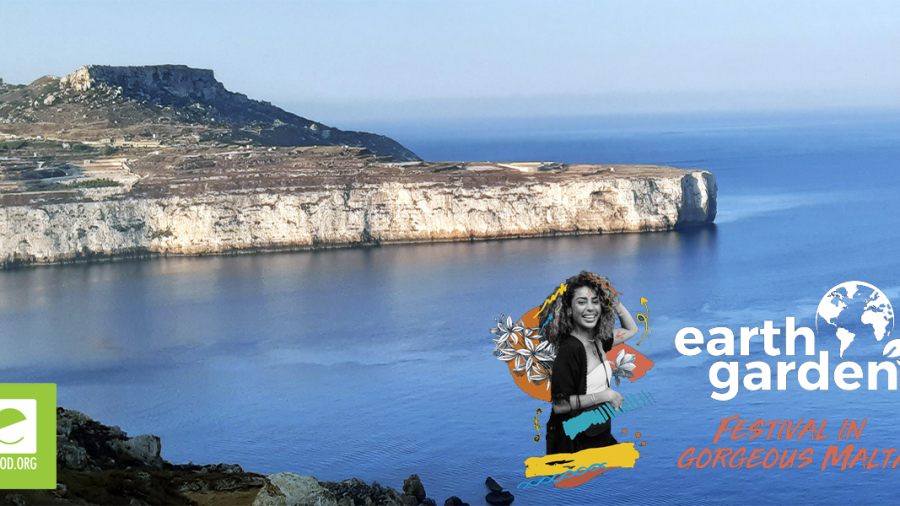
ENCOD at Earth Garden Festival Malta 2022

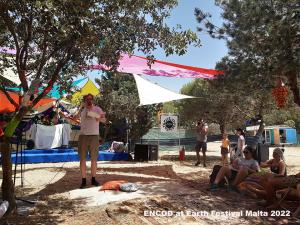
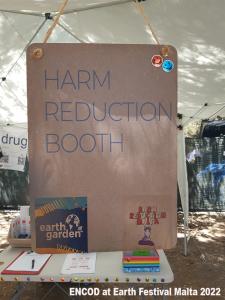
As the festival season kicked-in in Malta, ENCOD participated at the first harm reduction booth set up at Earth Garden festival. Organised from 3rd to 5th of June, Earth Garden Festival is synonymous with the local entertainment scene and provides a family friendly atmosphere to those visiting the festival grounds. Spread over three days and including the participation of numerous local and foreign artists, the festival attracted thousands of people throughout the weekend. The different music genres, information stalls, but also a number of workshops addressing health and well-being facilitated an innovative educational and talking hub.

ENCOD‘s new president Dr Fabian Steinmetz delivered a very well attended workshop on cannabis quality and transparency. Dr Steinmetz congratulated Malta for the historic legislative change decriminalising cannabis, and the possibility to establish non-profit cannabis associations, like ENCOD’s own Cannabis Social Club model. He spoke about the importance of promoting an educated approach, especially for those who have found a new passion for horticulture and anything green. Focusing on the role of education and knowledge about different risks associated with home growing, the ENCOD President highlighted the importance of identifying possible contamination of cannabis and bioburden (presence of microorganisms), especially in country’s prone to humid weather and thus increased risk of mold, as is the case in Malta.

The Harm Reduction booth, sponsored by the University of Greenwich, was set up by ENCOD member Ms Karen Mamo who for the past couple of years has been pushing for a humane and a harm reduction approach for drug use in Malta. Through the facebook page Harm Reduction Malta, Karen is the first local researcher to advance a human rights-based approach to drug policy and is further advocating for the rights of people who use drugs.  Together with Dr Giulia Zampini – founder of the People and Dancefloors project, Karen spoke about the nexus between drugs in society, education and public health.  


During the visit to Malta, President Steinmetz also used the opportunity to meet with Ms Mariella Dimech, Chairperson of the Authority for the Responsible Use of Cannabis, whereby discussions revolved around the role of testing and the dialogue between cannabis growers, consumers, and authorities.  

ENCOD’s participation was covered by the excellently penned article No more ‘war’: reducing harm is the new language on drugs, written by journalist Maya Dimitrijevic, working with one of the leading newspapers in Malta, MaltaToday

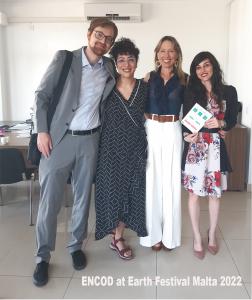
In the picture from left to right:
Dr Fabian Steinmetz, ENCOD, Schildower Kreis, LEAP Germany, Delphic HSE
Dr Giulia Zampini, senior lecturer University of Greenwich and founder of People and Dancefloors project.
Ms Mariella Dimech, Chairperson of the Authority for the Responsible Use of Cannabis.
Ms Karen Mamo, researcher and promoter of Harm Reduction in Malta, and member of ENCOD since 2019.


maltareleaf

ReLeaf Malta presented the proposal for legalised & regulated cannabis market

We are pleased to inform you that on 11 December ReLeaf Malta presented the proposal for legalised & regulated cannabis market to Hon. Julia Farrugia Portelli, Parliamentary Secretary responsible from the reform.
This proposal aims to provide local authorities with a brief over view of a regulated cannabis market for adult use and highlights the importance to enact legislative changes based on human rights and harm reduction principles.
ReLeaf underlines the importance of a multidisciplinary approach, therefore the need to include legal, social, economic, educational and health considerations when drafting a national framework regulating the cultivation, consumption and sale of the cannabis plants and its derivatives. As already proven by countries legislating and regulating cannabis for personal use, cannabis policy is best implemented through a balanced, evidence based and inclusive legislative framework.
Please find the Proposal here: ReLeaf-Presentation
and Video here: Releaf 2020 Proposal
2019-Banner-150x300-04-1080px-web-614x346

A seed for a better future: A proposal for a European regulation of cannabis use

We are proud to present our proposal, addressed to the European Commission, the European Parliament and the governments of the Members States represented in the European Council, related to cannabis use for recreational purposes and the decriminalization of minor offences related to illicit drugs.

The proposal defines the opportunities the European Union has to regulate the personal use of illicit drugs, as well as the cultivation or possession for such purposes in order to respect basic rights of the users. It presents the trends and legal possibilities to regulate cannabis supply systems, as well as provides arguments for the decriminalization of illicit drug use in the European Union.

It is necessary to give a voice to the civil society through the participatory tools in the Member States and to explore new models of regulation that are based on human rights and harm reduction.

For more information see: SUMMARY PROPOSALS FOR THE REGULATION OF CANNABIS FOR RECREATIONAL PURPOSES IN THE EUROPEAN UNION

abuela

Fernanda, the grandmother of marijuana

A step away from jail at 76: “I am not a drug dealer”

76 years old Fernanda was the first legal cultivator in Spain. Now she will be judged for an alleged excess production.

She is 76 years old and is judged for 4 years in jail. The reason? Marijuana plants in her garden. Her name is Fernanda De la Figuera and she is one of the most relevant cannabis figures in Spain. The marijuana grandmother is a familiar and respected face within the national cannabis scene. She has been planting in her garden for 50 years. Now, for that reason, she faces 4 years in prison.

Fernanda, born in Madrid but resident in Malaga for more than 40 years, got to know cannabis in the 60s. Since then she has become one of the greatest hemp activists in her country. Her fight achieved milestones in the mid-90s, when she became the first legal cultivator in Spain. She also participated in the creation of the first cannabis clubs in Spain, based in Barcelona. She has never trafficked. The purposes of her cultivation is essentially medicinal. Now she is accused of overproduction and that can lead her to jail.

“No, no. If I wanted to make money with marijuana, I would have become a drug dealer. I am not a narcotrafficker. It is not the case and everyone knows it. I do not traffic. I plant marijuana for medical reasons; because thanks to her I can live in decent conditions. I was diagnosed as a child with a series of health problems, such as osteoarthritis, rheumatism … I fell and broke my tailbone. If it weren’t for marijuana I would be in a wheelchair. I don’t just say that, doctors have diagnosed me“, she says in a conversation with EL ESPAÑOL.

Tomatoes, corn, marijuana …

In 1995 she was allowed to legally cultivate marijuana plants for medicinal purposes after a precedential sentence in Spain. “I had an excellent lawyer and got the right to plant in my garden. I had a row of tomatoes, another of marijuana, another of corn… ” She was basically growing her medicine. “And that of my daughter, for example, who has not smoked in her life and suffered severe menstrual pain. She gave her a scrub with cannabis oils and calmed all the pain”, she says.

If you have been allowed to legally cultivate, where is the problem? In quantity. Fernanda opened cannabis associations with a strong feminist component. She called them “Mary x Mary.” “I have been a feminist when the movement in Spain was not yet important. I was a single mother and advocated for responsible motherhood without getting married,” she recalls. With her associations, she sought to bring women closer to cannabis culture in a responsible way and with information. “But in the associations there are also men, I get along very well with them, I want them working and fighting by my side,” she summarizes.

In these associations, all affiliates collaborated to have one plant per member. The fame of the figure of ‘the cannabis grandmother’ and the philosophy of her clubs made the number of members increase. “At the beginning we were 25, so we cultivated 25 plants. In the end we were more than 100, I can’t tell you if we were 120, 150 or 180. Well, one for each one, which is fair,” says Fernanda, who adds that “sometimes the calculations don’t add up. Some plants do not mature, others do not get yield … You end up balancing so that everyone has at least some cannabis. You tell me, if that is trafficking.”

Trial Suspended

The alleged crime is in the increase of production. The increase of members has led to a logical increase in production, and this is why they have denounced it. They have tried to obstruct Fernanda’s growing on all sides. Legally and illegally. From security forces to thieves. And in the end, although she became the first legal cannabis grower in Spain, she will be seen again in court for this matter. She is accused of an excess of production. Spanish legislation has a great legal vacuum in the field of cannabis production and now they accuse her of producing more than she should. In total, she faces 4 years in prison.

The trial should have been held on Thursday, April 25 at the Provincial Court of Malaga, but it has been suspended. “They have postponed it until October for a matter of missing documents. Bureaucratic issues.” Thus, its uncertainty continues until after summer. However, Fernanda maintains a positive attitude about it: “Let’s not be pessimistic. We’re going to wait. If in the end there is a conviction, then there are other courts above to appeal,” says Fernanda.

The century of cannabis medicine

“This is going to be the century of cannabis medicine and they know it in countries like Israel, where it is being given to older people who find an absolute improvement with marijuana treatments. It doesn’t have to be smoked, there are oils, tinctures, edible formats…”

As a person with more than 50 years of experience as a consumer says, “and it has done me only good. I was born in a very conservative family, very male chauvinist, military. But it was precisely the contact with the legion’s military, those who came to Malaga with the kifi (the name of marijuana pollen in Morocco) that put me in contact with cannabis. My parents, in the end, who lived in Larache (Morocco) and never smoked, finally understood why I consumed,” she recalls. She has spent her entire life consuming to improve her health. And not even the threat of jail will change her philosophy: “I am not a drug dealer. I have never sold. I only grow to be healthy. Cannabis has been with me all my life, but I wish I had known it before. ”

translated by ENCOD

Original source: https://www.elespanol.com/reportajes/20190426/fernanda-abuela-marihuana-paso-carcel-no-narcotraficante/393961657_0.html

enrico_hannes

Report on ENCOD GA 2019

This year ENCOD’s General Assembly was held in Austria, Carinthia, Liebenfels, from 13th-15th September 2019. 23 ENCOD members from 10 European countries attended the assembly and elected 1 new member to complete the EC, as one member from last year’s GA dropped out. We proudly announce that our Executive Committee is complete till 2020.


Friday

On Friday the narrative and financial reports have been presented by the EC members. The treasurer was discharged for the financial report.
Enrico was active in networking on the international level and in collaboration with Knowmad Institute.
Maja was absent for most of the year due to fieldwork she was conducting in Catalonia for her PhD about the ritual use of psychoactive plants. She also collaborated on a study about regular use of ayahuasca from the perspective of public health. The paper was published in 2019 in the Journal of Psychoactive drugs. She also participated at the third World Ayahuasca Conference in Girona and the Ibogaine forum in Porto, Portugal. More ibogaine forums have been planned in 2019, but were not carried out due to lack of funding.
Ana was focused on the European and international level of drug policy since the last GA. She lead the project “Be the voice”, talked to representatives in the UN and to several MPs about medicinal cannabis. She was also advising political parties in different countries such as Czech Republic, Portugal, and Italy. She was networking with think-tanks, universities, ICEERS and others to create a regulation proposal for Europe. Ana initiated a survey, which results will be used to for the discussion and the creation of the new European drug plan.
Besides taking care of accounting of the organization, Gaby was active at fairs in Austria, Czech Republic and Italy, and helped in the organization of the International cannabis policy conference as well as the Marihuana March in Vienna. She is also active in the CSC initiatives in Austria, is in contact with medical professionals and political representatives in the country. Due to her activity, Encod is considered as a consultant organization about legalization discussions in the country. She was also leading a parliamentary citizen initiative and collected over 500 signatures for legalization of cannabis so far. The initiative is going to be presented to the government in the near future, since there have been elections on the 29th of September. Another project about analytics of cannabis grown by small growers / individuals was initiated and is currently in fund-raising phase.
The question was raised why there were almost no bulletins published in the last year? Since the last GA the EC member responsible for communication was not fulfilling the duties and eventually resigned from the position. That’s partially the reason for a failed bulletin communication besides IT issues.
Farid reported on the activities done at the last UN CND meeting in Vienna. There were troubles with UN security because of dress code (the “Freedom to Farm” T shirts were seen as inappropriate propaganda). Two demonstrations took place: one silent demonstration which ended with 4 times shouting “no more killings” to target the Philippine booth and another demo “Support Don’t Punish” was organized to take a group picture with the UN flags behind the demonstrators. Some people were arrested because they took photos and one TNI representative was expelled from UN buildings and forbidden to enter the next day.

Country reports

Italy
Enrico was talking about the situation in Italy. Legalization made everything worse. Cannabis is allowed, but still complicated to access for patients. 50.000 people proposed full legalization, there were MMM organized: about 5000 in Rome, in Pisa up to 10000 people. The events were surrounded by the police.

France
Farid was updating on the situation in France. In 2017 we thought that Macron would reform, but we are very disappointed even if we can note some progress. The law was lowered in theory by the implementation of fines (200 euros) and prosecutions remain. In 2018, a scientific committee was established to inquire about medical cannabis and issued recommendations about the access to cannabis as medicine to the French Health minister. It is not sure if it will really be a progress as there is still doubt if cultivation and production of cannabis will ensure cannabis medicine to be available. In theory, about 4 million people could get a prescription, but they’ll have to accept to enter a scientific research program where they’ll have to be regularly screened. In 2019, a group of MPs launched an inquiry mission about all usages of cannabis (industrial, textile, building, even to make road), but still a large part of the French agencies engaged in policy reforms are claiming the the main target is to legalize, and make it regulated by the market. Two major conferences were organized since January 2019: one by “Cannabis Europa”, gathering more than 300 people and investors from all over the world in La Maison de la Chimie in Paris. The second conference entitled “Cannabis Business France”, where a lot of French growers / farmers / entrepreneurs that are interested to enter into this business were present, and even big pharma company Sanofi was taking part. Encod members, like Cannabis Sans Frontières and Norml France joined the efforts and organized the Million Marijuana March, re-branded with a very simple French name “Cannaparade” in Paris. About 3000 peoples were occupying the streets, as well as the Yellow jackets which were joining at the end of the demo, while the green jackets joined from the start in Bastille place. Since spring 2018, in all cities CBD shops are popping up, and sometimes closed by the police. It depends on the local officers who are trying to implement general guidelines issued last July by the government. Still some shops are opening, while some were closed and their owners prosecuted. It’s quite a big mess. Last but not least, sometimes courts are releasing them, and one court in Bordeaux declared that the government’s guidelines were “irrelevant”. Next year, spring 2020 there will be local elections for city hall. We’re working on a proposal to build a Cannabis Municipal Club (Cannabis Local Club).

Czech Republic
Radek talked about Czech Republic, where the situation is not changing. The Pirate party has put a proposal to the parliament. Maybe someday it will be discussed in the parliament, but nobody knows when it’s going to happen. Concerning medical cannabis, it is being imported from the Netherlands, Canada, and also produced in Czech Republic, but the price is too high. If the insurance company would pay around 20% it would be fine. Concerning industrial hemp, a lot of farmers had problems because more than 0,2% of THC was found in the plants. There are also issues connected to driving and cannabis use.

Germany
Ingrid presented the situation in Germany. In the last year there was a movement. But the situation is still complicated, there are many challenges. Patients get no money from the insurance for cannabis. They need a permission letter to get medical cannabis. There is still an ongoing debate in the parliament. An initiative wants to go to the supreme / constitutional court to get permission for using medical cannabis. Judge Müller (LEAP) is one of the persons who helped start this campaign. The price of cannabis is 20€ / g which is too expensive for patients. For private prescription it’s cheaper to go to the black market. Next year the use of medical cannabis should be allowed, but produced only from Canadian companies. There were cases where the cannabis received by a pharmacy was moldy and very bad quality. According to the law in Germany it would be possible to apply for a social club model, but there is none currently. There is also a discussion on legalization of all drugs in Germany.

Austria
Manuel was representing Austria and pointed out the importance to separate the policy towards THC and CBD. Austria wants to prohibit the selling of seeds and clones which would ruin peoples enterprises. CBD is legal to smoke up to 0,3%THC. If you grow it you are still a criminal. luxperpetua commented on one case in Austria who had aids and was allowed to grow for personal use. The second case is Martin Winkler who cured himself of cancer with Rick Simpson oil, he didn’t have any problems with the law and was monitored by a medical doctor. Concerning other substances, ayahuasca treatments are unofficially existing in Austria. Substitution programs are run in a “liquid handcuffs” way, the quality of heroin is bad and substitutes medicaments are being injected. In the afternoon there was more talk about the social clubs/cannabis medicinal clubs in Austria to serve as a model for Europe.

Malta
Karen came from Malta, where cannabis was an illegal substance since the 60s. A shift was in 2010, when a movement questioning drug policy developed. A change in the law followed in 2015, which brought treatment instead of imprisonment and the decriminalization of small amounts (3,5g for cannabis). Medical cannabis was legalized in 2017. In 2018 Bedrocan was sold in the country. You need a recommendation by a medical doctor to start a cannabis treatment. There is one doctor currently prescribing medical cannabis and there are some 200 registered patients. On a national level personal use is being discussed, but not recreational use. There is also a growing harm reduction discussion on cannabis. Malta has high prices for a gram of cannabis (from 20-25€ / g; or less but very poor quality). The government is proposing education and activities to engage kids in sport and other activities that would keep them away from drugs. “Releaf Malta” is an organization that is pushing for regulation and change of cannabis policy, and trying to bring in an evidence based approach. Safe injection rooms are unexisting, but there is substitution therapy. There is someone organizing ayahuasca ceremonies, but LSD and mushrooms are more popular.

Slovenia
Maja gave a report on Slovenia, where not much new is happening. Concerning medical cannabis the most interest is in cancer and epilepsy treatments. All other illegal substances are not being discusses in terms of legalization / regulation. There is some ayahuasca use and some psychedelics use in the country. An unknown substance known under the name “Indian tobacco” is on the black market currently, and a pharmaceutical drug is used recreationally. Growing is still illegal, even for one plant you can get into trouble. Hemp can be grown, but it’s unclear what it means for CBD products, which are sold even at gas stations (for example a tea imported from Switzerland – 10€ for two tea bags).

Estonia
Jana came from Estonia, which is a small country in terms of population. A lot of cannabis comes from Amsterdam. There is only talk about cannabis, nothing about the other drugs. Amphetamine and cocaine are also popular. The prime minister is conservative and it is difficult to start discussion on cannabis when the country is right oriented. The limit for THC is 0,2%. First shop opened this year. It is illegal to smoke it. Medical use is possible, but there is no program. You have to go to Finland or other countries to get Sativex or something similar from a pharmacy. The prices on the black market are high (20€ / g). For a personal grow you go directly to jail. If you grow as an organization you get a fine. It is hard to get into the discussion as an NGO or media because everything is happening on a high medical level.

Spain
Ana was talking about the situation in Spain where there is a massive movement of CSCs, safety consumption rooms in Barcelona are regulated since 1980’s, but if you enter into the methadone program you lose your social rights. There is also an initiative on coca leaf and cocaine. There is an association for mushrooms where it is possible to take psilocybin in microdosis. Concerning cannabis, public use is not allowed, it is fined from 600€ – 10.000€. Patients get the fine and then you can make an appeal to the administrative instance. For trafficking you can get 6 years of prison. It is sure that cannabis is going to be completely legalized, but nobody knows when. There were 3 cases of CSCs going to the supreme court. They were not found guilty, but were also not allowed to operate anymore. The strong point is the social movement – the government would need to put 45.000 people in jail to destroy the CSC movement. The party “Podemos” is in favor of the regulation of the CSCs. They have competencies and majority in the government and open to debate about the CSC movement. In Madrid there was a big MMM manifestation.

Belgium
Kris made a report on Belgium, where there is some kind of “potpourri”. Some medical doctors are prescribing Sativex, but it is very expensive. Cannabis is being medicalized. In the court case of TUP, several people of the CSC have been found guilty, but went into appeal.

Internal affairs I.

Gaby shared the issues the EC encountered regarding some new members. Anicka stopped working as the secretary and communication manager because she was difficult to reach and talk about it. An agreement was presented to pass her duties to Manuel. However, she still wanted to represent Encod when talking to political parties in Czech Republic. She was dismissed due to her inactivity in Encod. Therefore, we had to elect a secretary and communication manager in this GA. We also opened a position for one additional EC member to replace Anicka. There were some updates also on the internal invoicing rules and a template has been created for EC members to fill out in order to get a refund of costs.

The candidates for the open positions have been presented:

Farid, the candidate for the EC member. He joined ENCOD 1999, and chaired ENCOD from 2004 to 2006. He is mostly active in international drug policy arena and co-founded FAAAT. At the national level, in 2009 he founded Cannabis Sans Frontières (Cannabis Without Borders), a political party running for elections in France. He was 10 times attending annual CND meeting during the last 15 years, and recently closely following the Scheduling issues regarding Cannabis at WHO on Geneva.
luxperpetua, the candidate for the communication manager. He has knowledge on strategies on social media. He also has graphic designer competences. He is working full time as a German teacher and is fluent in German, Polish and English.
Maja, the candidate for secretary. She’s part of the EC for several years and can fulfill the tasks of the secretary because she’s familiar with the work and the organization. She also speaks several languages.

Presentation of a local initiative

In the evening a representative of ARGE CANNA, Gerry Düregger, came to present the work of the NGO and share with us their vision of decriminalization of production and possession of cannabis. ARGE CANNA fights for access to cannabis for patients, which means quality controlled cannabis at low prices. ARGE CANNA is active in scientific projects, education of people, and political lobbying at a local level.

Saturday

Members proposals were discussed on Saturday morning, where Farid prepared a presentation about UN procedures and scheduling. It can be found at https://faaat.net/cannabiswho/ (scroll down to the headline Understanding the Schedules of the 1961 and 1971 Conventions). The CND meetings and more information can be found here: https://www.unodc.org/unodc/en/commissions/CND/CND_Meetings-Current-Year.html.
Farid also explained that FAAAT is not existing anymore, but there is still relevant and informative information on the webpage, which is still online: https://faaat.net/. Other topics were discussed and presented such as regulation practices, and the interpretations and uses of statistical data, etc.

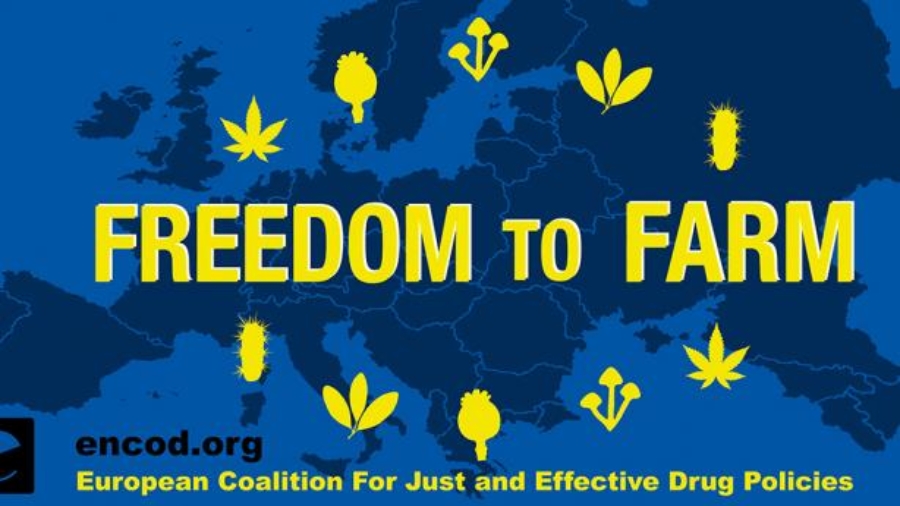
Freedom to Farm

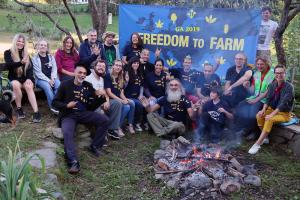
A brainstorming was done about Encod’s future campaign and activities. The GA agreed that Freedom to Farm is a very important campaign and a fundamental human right, which is addressing a complexity of drug issues with the CSC model at its core. A fight for personal use and personal grow will remain a fight for several years. Encod stands for the grassroots level, human rights, fair trade, and sustainability. We have to raise awareness not only about cannabis, but other plants and substances such as the coca leaf. Encod stands for all plants.
A working group on Freedom to Farm is being created, which will work on the development of a defined campaign in the following weeks.
Sunday

On Sunday Ana had a presentation international drug policy frames; informed us about the status of our ECOSOC status, which is still pending; and the importance of political lobbying at the national and local levels. She pointed out the most important discussion points such as the freedom to farm, the differentiation between use vs. abuse, prevention instead of criminalization, quality control and quality standards. An opportunity to influence future drug policy will be active presence at the creation of the EU Action Plan on Drugs (2013-2020), where Encod attempts to contribute with the findings of the survey conducted in the past year in member states.

Establishment of work-groups

Part of the political working group are Ana, Farid, Enrico, Kris, Jana, Ingrid.
Part of the Freedom to Farm group are Maja, Gaby, Karen.
Part of communication group are Patryk, Maja, František, Jana, Eller.

Internal affairs II.

In 2018 the GA elected the Executive Committee for 2 years (5 people) Gaby, Maja, Enrico, Ana, and Anicka. However one had to be dismissed. After voting Farid was elected into the EC as a replacement until next year. Maja was elected secretary, and luxperpetua was elected communication manager. Substitutions for official positions have been delegated as well. Gaby substituting the president, Enrico substituting the treasurer, Farid substituting the secretary.

With the voting done, the official GA was concluded.

A big thanks was expressed to the Austrian delegation for organizing the GA and all the accompanying events and visits in the area, especially to ARGE CANNA. Next year’s GA will be held in summer. Place will be announced in time. Suggestions welcome.

ENCOD

European Coalition for Just and Effective Drug Policies

www.encod.org | office@encod.org

Twitter: @encod | Facebook: @ENCOD
Survey: European Civil Society on Drugs Report (ENCOD)

We are very happy to present you the new survey: ¨European Civil Society on Drugs¨ by ENCOD. It will be used to create an updated report about the Drugs Policy in Europe and the situation of the most vulnerable people on drug matters: the users, the activists and the advocates.


It is addressed to activists, advocates and experts who want to participate, and it includes questions about the users’ experience as well. It is to draw the current situation on Drugs Policy in each European country. Please. It will take you ten minutes approximately.


The deadline to contribute to the survey is Saturday 15th of December 2018. Moreover, you can send to other activists and NGO’s to enlarge the sample in the collection of data.


Thank you for your confidence.


You can find the survey embedded below or visit this link.