(Anti-)Depressants

Opioid Policy, Access, and Regulation

(anti-)Depressants, including heroin, morphine, codeine, and other opioids, are central to global drug policy. ENCOD brings together expertise and policy perspectives to address opioid regulation, access to medicines, dependency, and public health, promoting balanced, evidence-based approaches grounded in human rights.

Heroin Policy and Harm Reduction

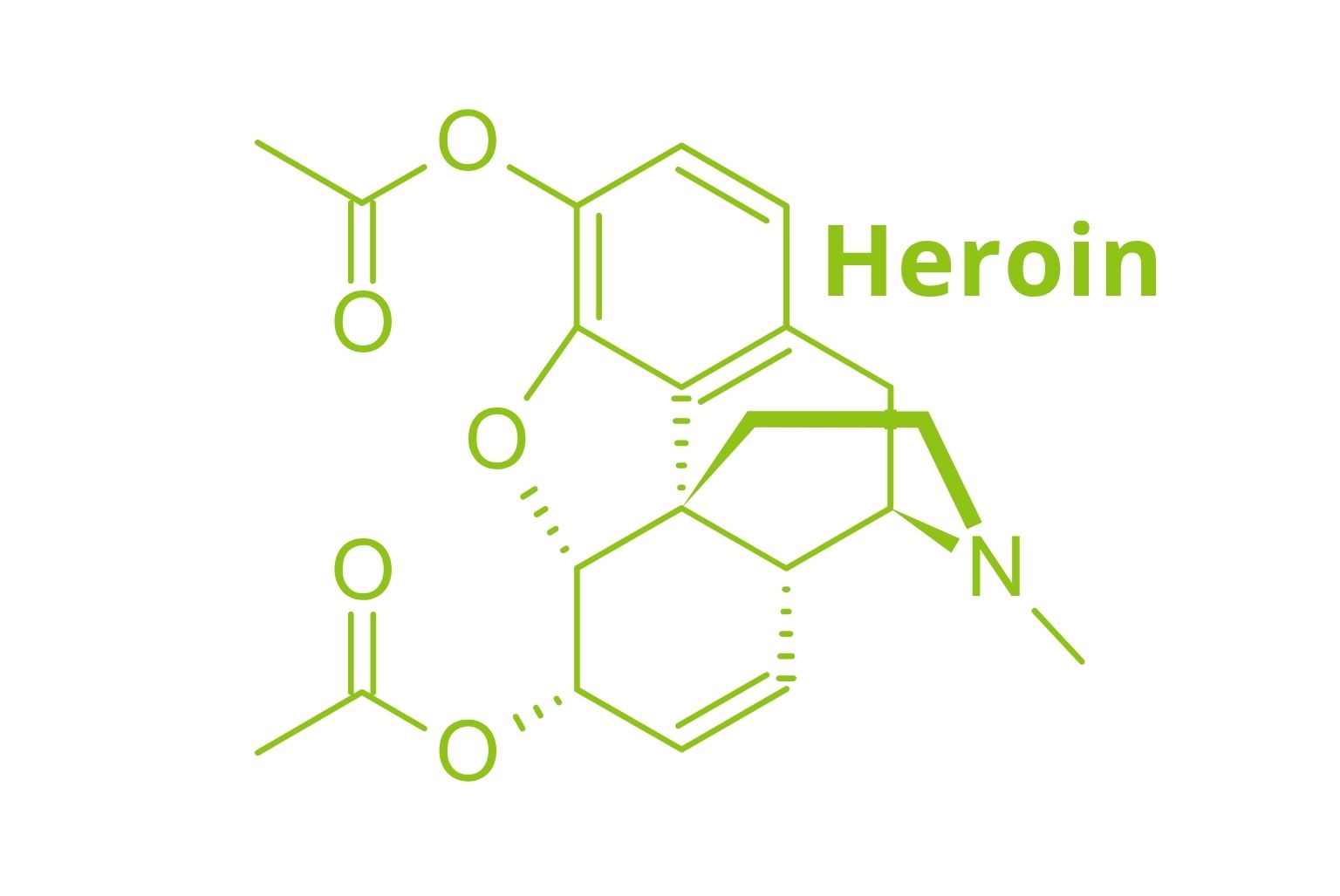
ENCOD, together with members and partners, addresses heroin policy through harm reduction, public health, and human rights. The work supports safer use responses, access to services, and balanced approaches reducing risks while informing evidence-based drug policy development across countries.

Encode - Heroin
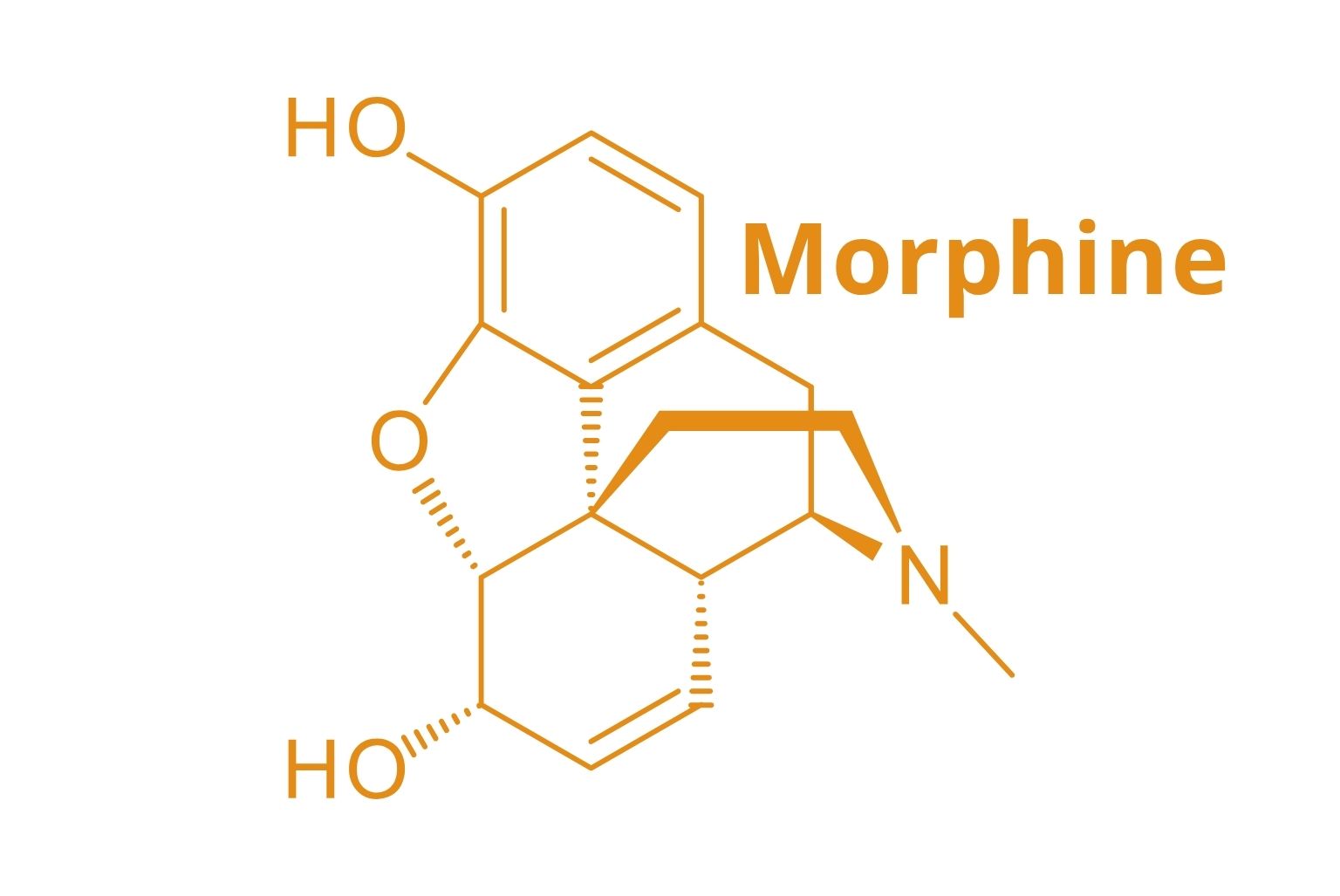
Encode - Morphine

Morphine Access and Medical Policy

ENCOD’s work on morphine focuses on access to essential medicines and balanced regulation. Together with its network, it supports policies ensuring availability for medical use while addressing control frameworks, contributing to public health and evidence-based opioid policy development.

Codeine Regulation and Public Health

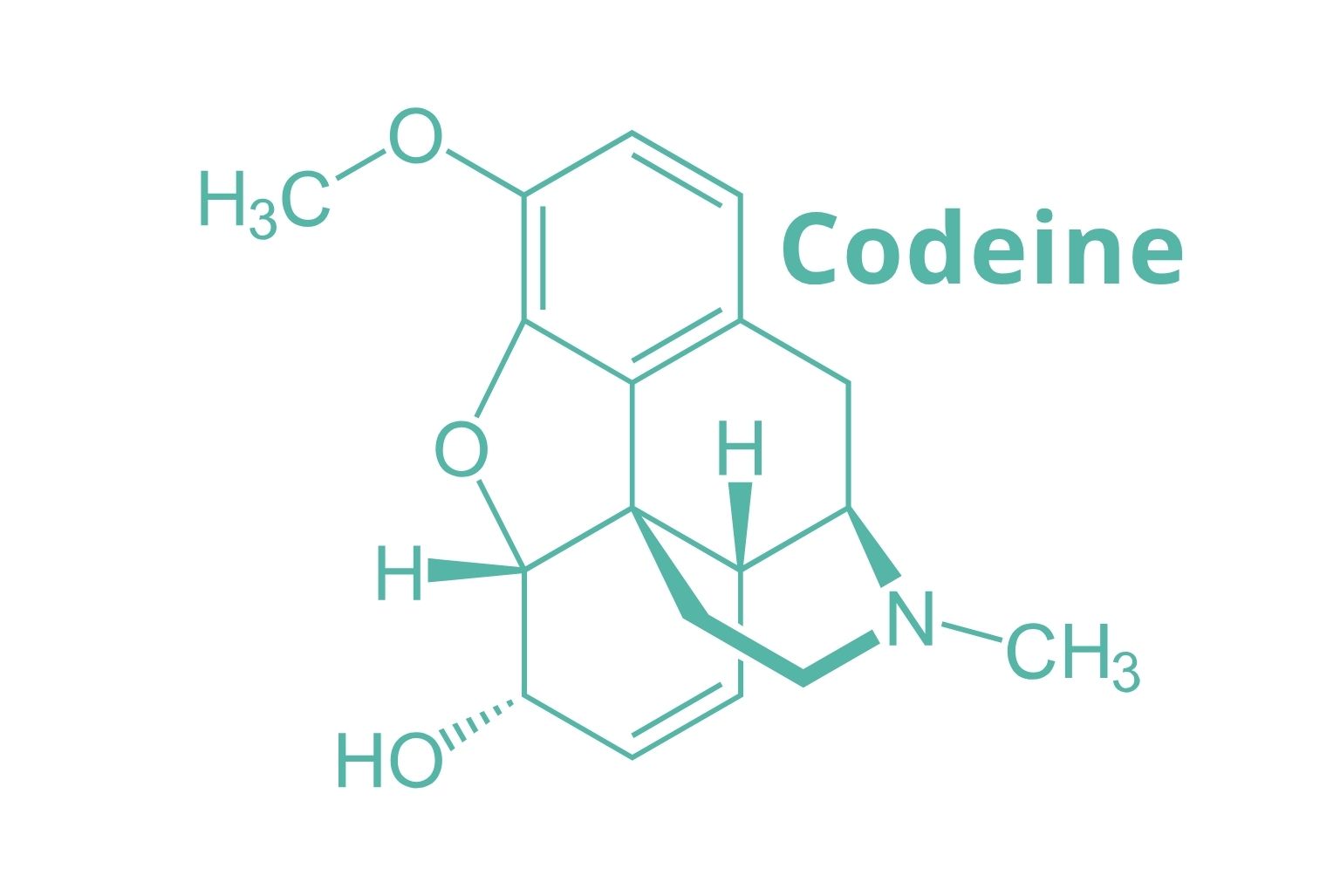
ENCOD examines codeine within regulatory and public health frameworks, addressing access, misuse, and over-the-counter policies. Through collaboration, the network contributes to balanced approaches supporting safe use, informed regulation, and evidence-based drug policy across national and international contexts.

Encode - Codeine
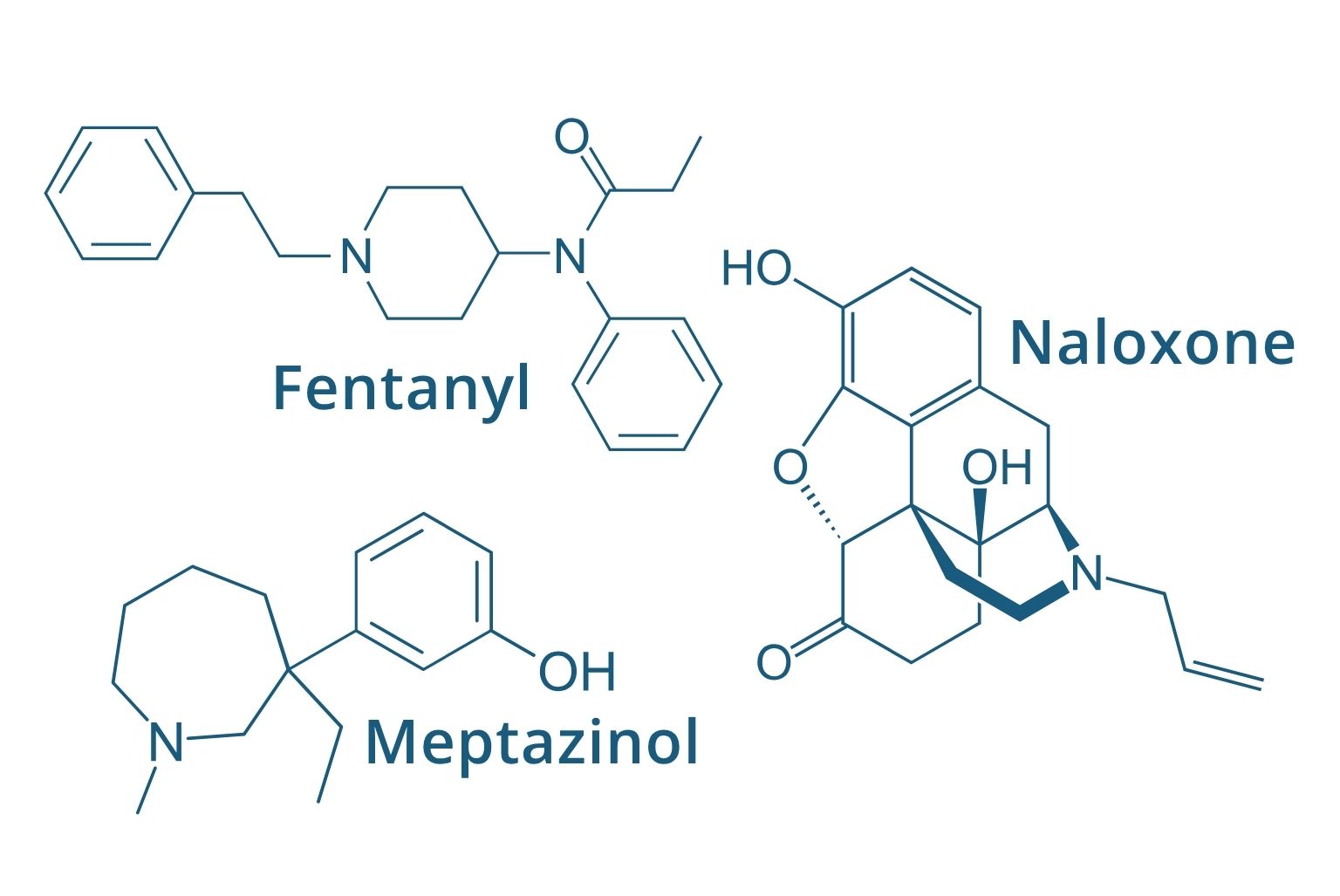
Encode - Opiods

Opioid Policy and Harm Reduction

ENCOD, its members, and partners contribute to opioid policy addressing access, dependency, and regulation. The work supports harm reduction, public health, and human rights, promoting balanced, evidence-based approaches shaping opioid policy frameworks across local, national, and global levels.

(Anti-)Depressants Through History

From Ancient Use to Global Regulation

Opioid substances have been used for centuries in medicine, culture, and trade. From traditional opium use to modern pharmaceuticals, they have shaped societies and policy debates, influencing today’s approaches to opioid regulation, public health, and drug policy frameworks across the world.

  • Medical Foundations
    From early opium remedies to modern pharmaceuticals, opioids helped shape the foundations of medicine. Their historical use influenced drug development, pain management, and today’s regulatory and public health frameworks worldwide.

  • Pain Management
    From ancient opium remedies to modern hospitals, opioids have remained essential for treating severe pain. They continue to enable effective care, recovery, and dignity where alternative treatments remain insufficient.


  • Palliative Support
    Historically used to ease suffering, opioids are now central in palliative care. They relieve pain, reduce breathlessness, and support dignity, ensuring humane treatment for patients with serious and life-limiting conditions.

  • Cough Suppression
    Once used in early medicinal tinctures, opioids like codeine remain effective for suppressing persistent cough. Today, their controlled use continues to support respiratory care where standard treatments do not suffice.

  • Sedation and Stability
    From traditional calming remedies to modern clinical care, opioids have been used to reduce distress and agitation. Today, they support stability and comfort in intensive, acute, and end-of-life care settings.

Campaigns That Drive Change

Promoting safe supply, reform, and human rights

ENCOD connects organisations, activists, researchers, and professionals working to advance responsible drug policy reform. Since 1993, the network has strengthened cooperation across Europe, encouraging dialogue, shared knowledge, and coordinated civil society action supporting fair, balanced, and evidence-based approaches to drug policy.

Harm Reduction

Safer Supply, Better Outcomes

Opioid-related harms are driven by unsafe supply and limited access to care. ENCOD promotes harm reduction, including safe supply, education, and health services, reducing overdose risks and improving public health outcomes.

Drug Policy Reform

From Punishment to Public Health

Opioid policies have shaped global drug control systems, often prioritising punishment over health. ENCOD supports evidence-based reform focused on regulation, public health, and human rights, promoting more effective and balanced approaches.

Join the (Anti-)Depressants Movement

Shaping Opioid Policy

Join ENCOD’s work on (anti-)depressants to advance fair, evidence-based drug policy and opioid regulation worldwide. Contribute as a member or supporter, helping strengthen advocacy, policy development, and campaigns that promote access, harm reduction, and balanced regulatory frameworks across countries.

Save the dates

Events and International Engagement​

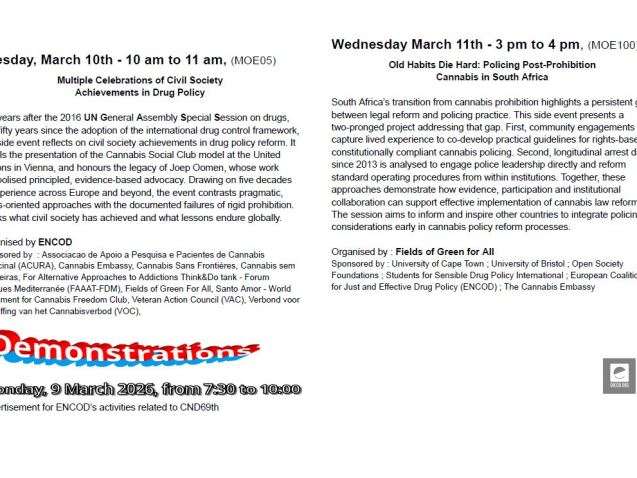
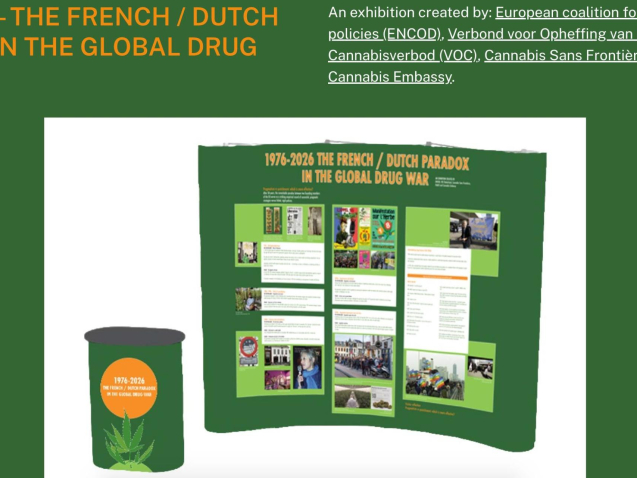
Across the world, conferences, forums, and civil society gatherings bring people together to discuss the future of drug policy. ENCOD highlights and participates in these events, offering opportunities to learn, connect, and contribute to fair and effective reform.
Shaping Opioid Policy

Access, Regulation, and Public Health

ENCOD, its members, and broader networks contribute to opioid policy, addressing access, dependency, and regulation. Drawing on shared knowledge and engagement, this work supports evidence-based approaches advancing public health and harm reduction. Below you can explore selected work from past to present.

Shopping Basket