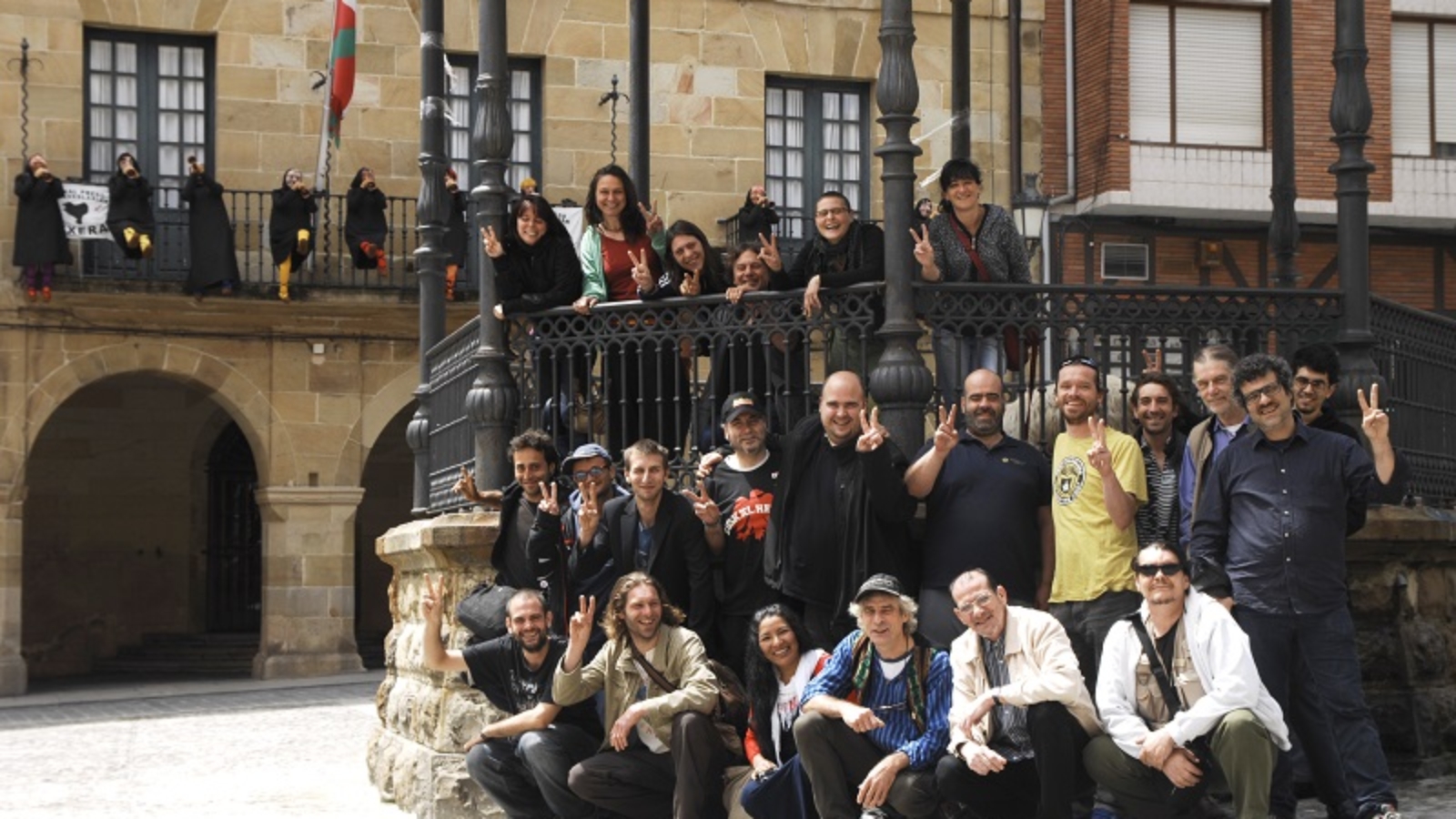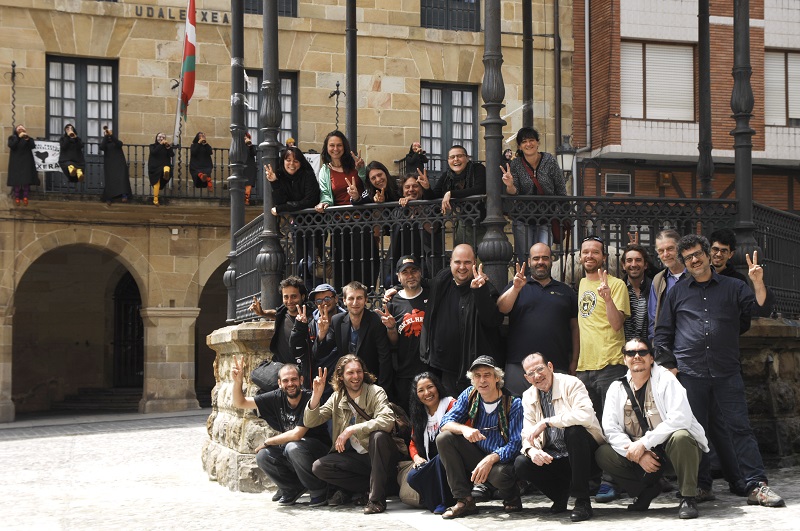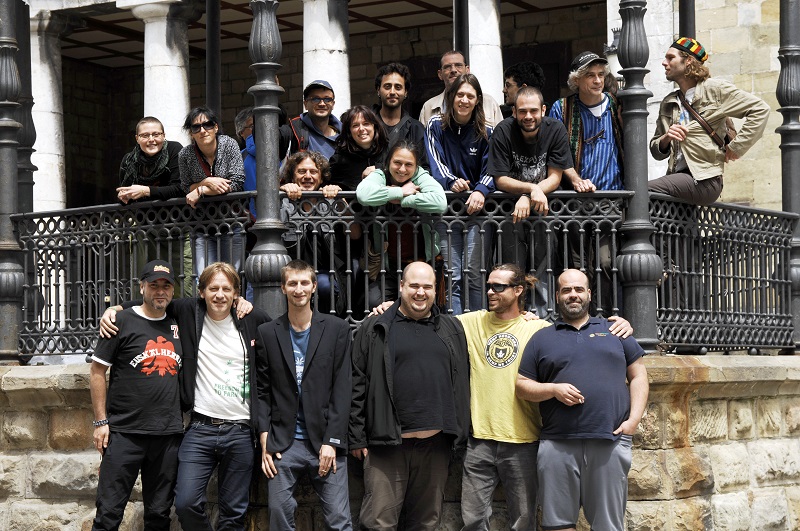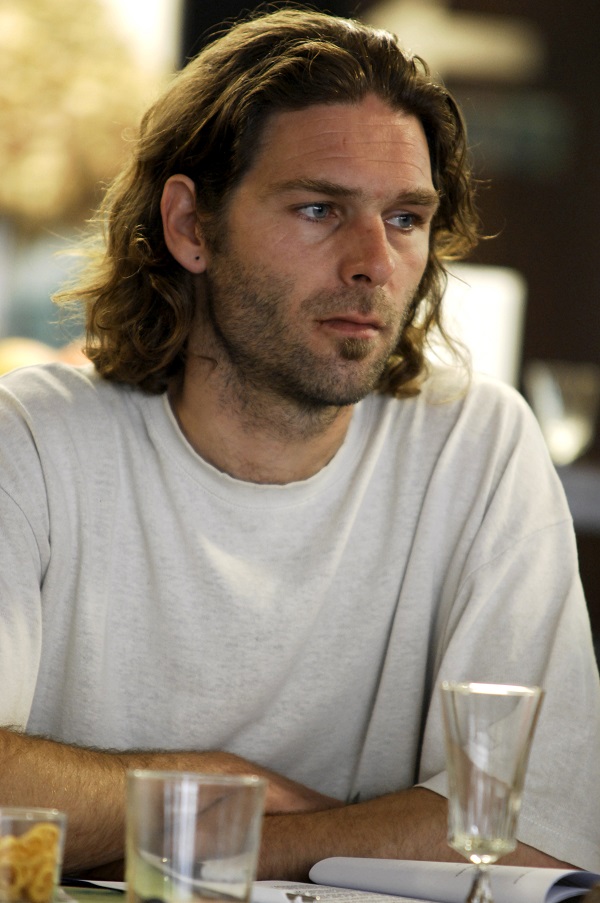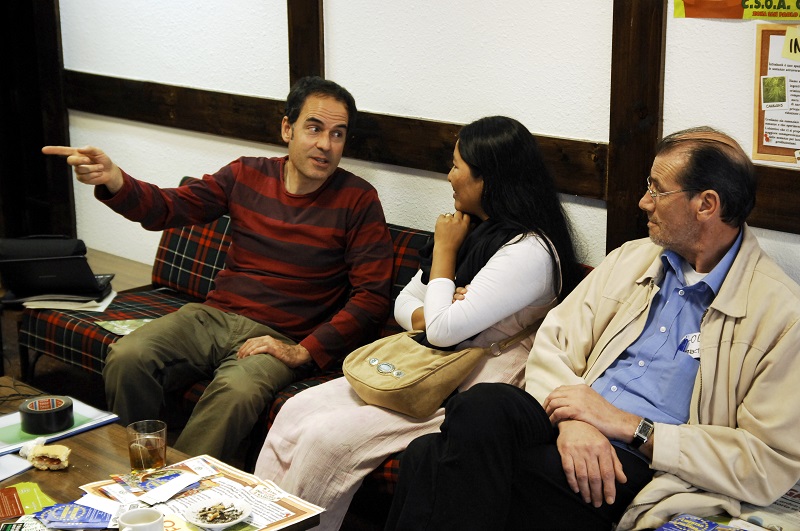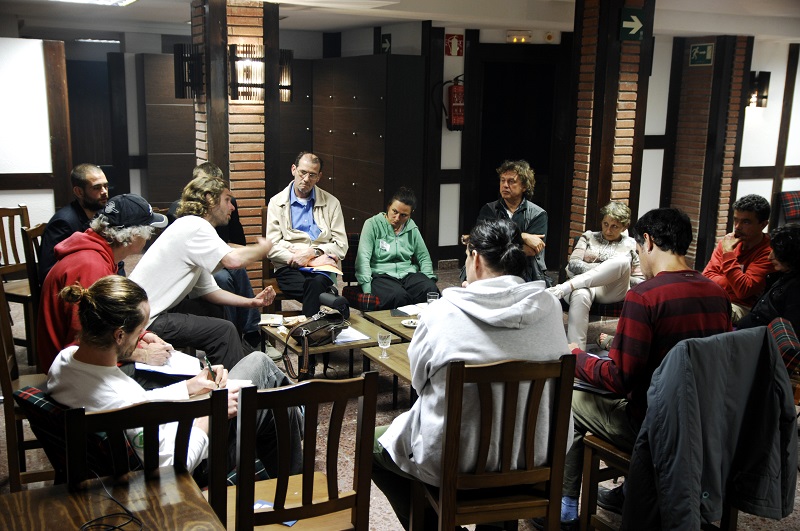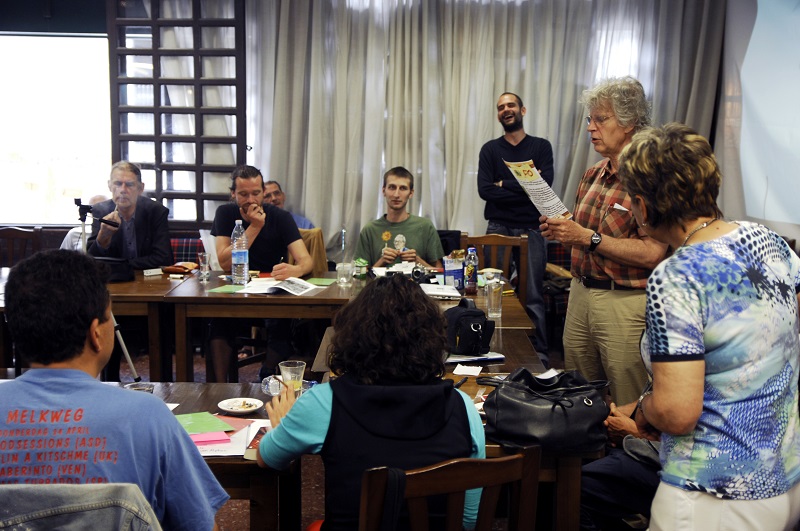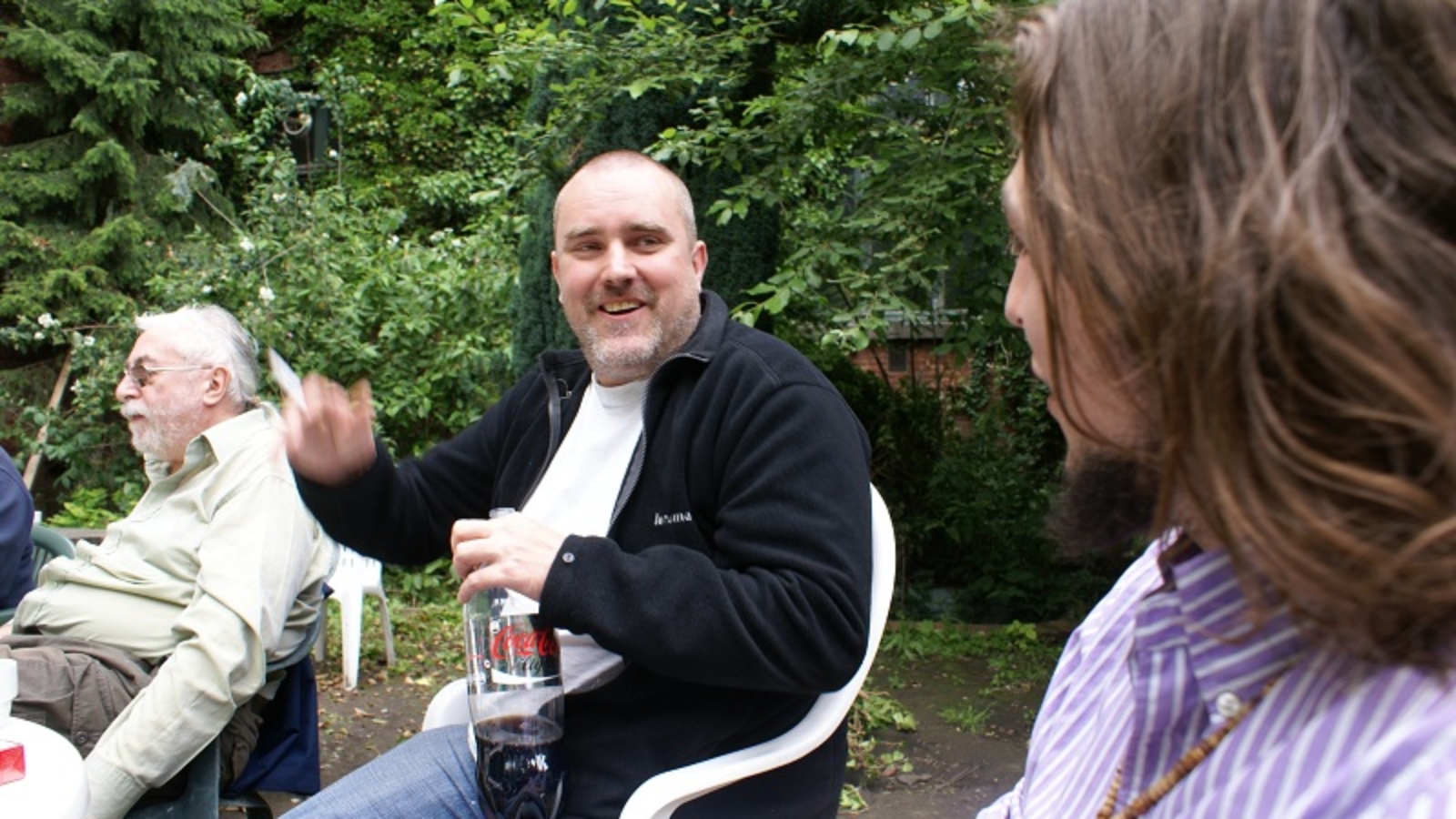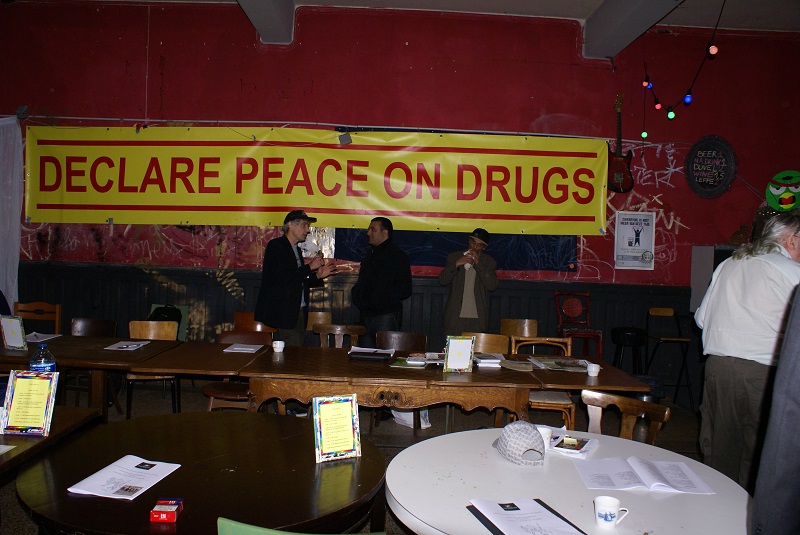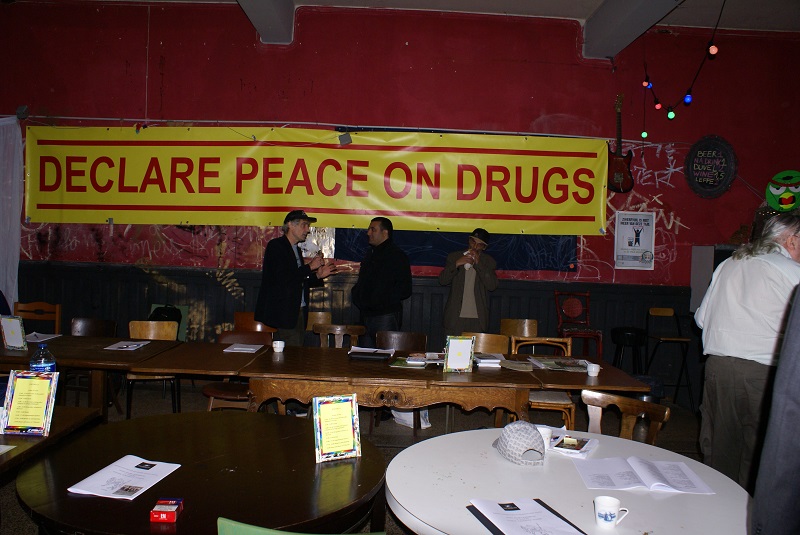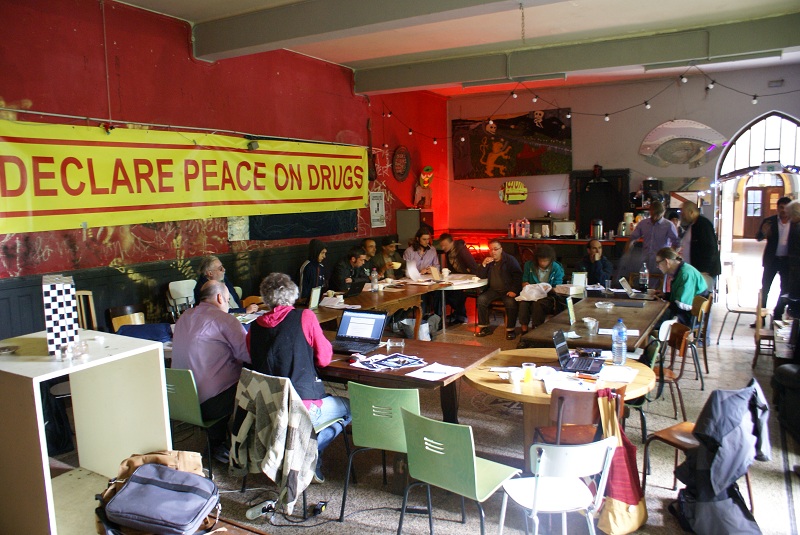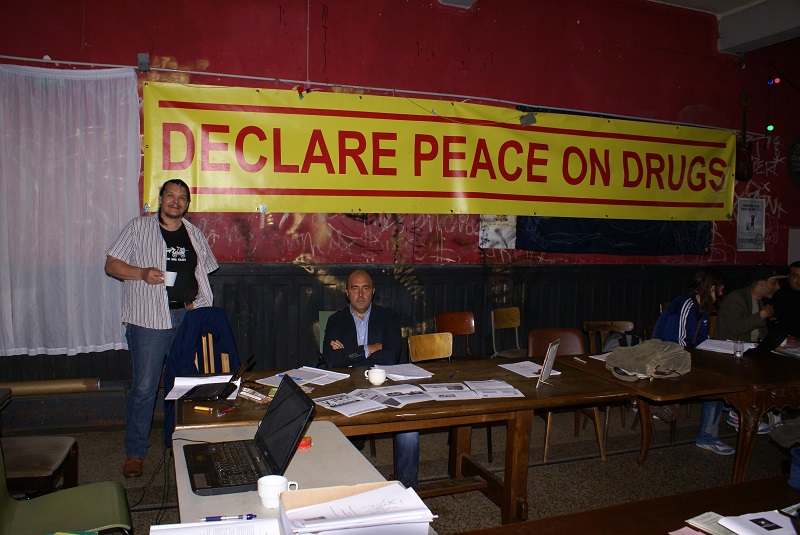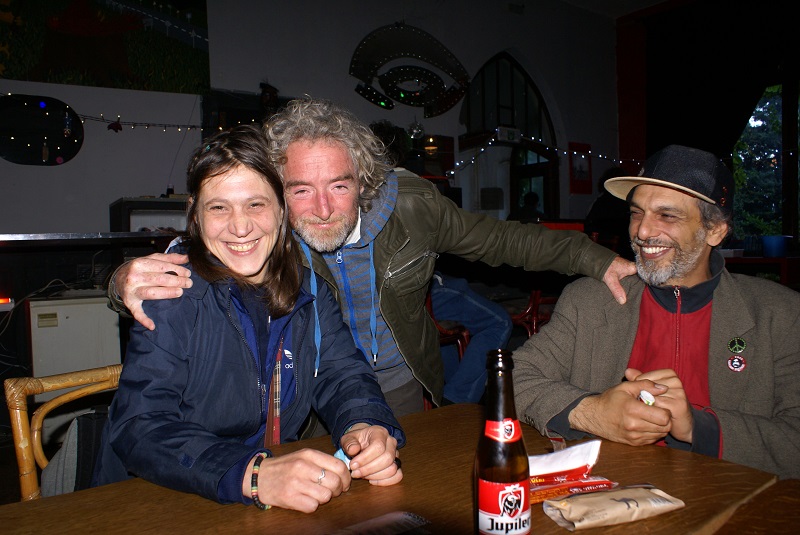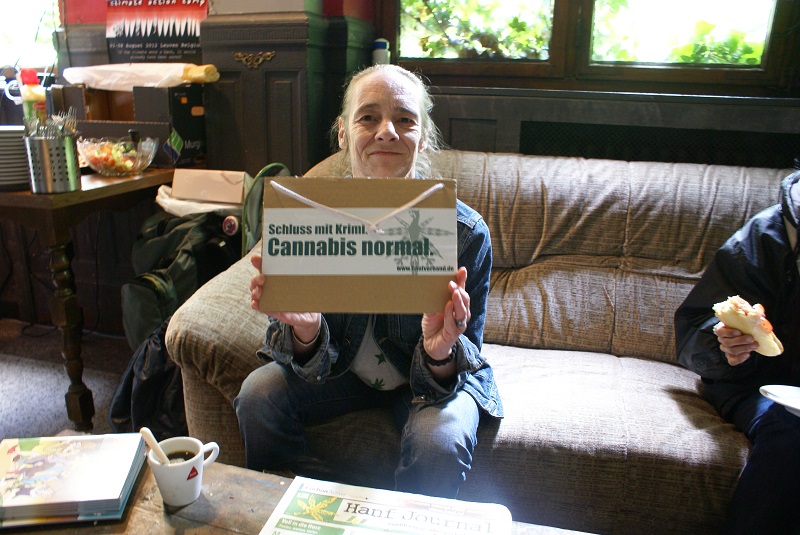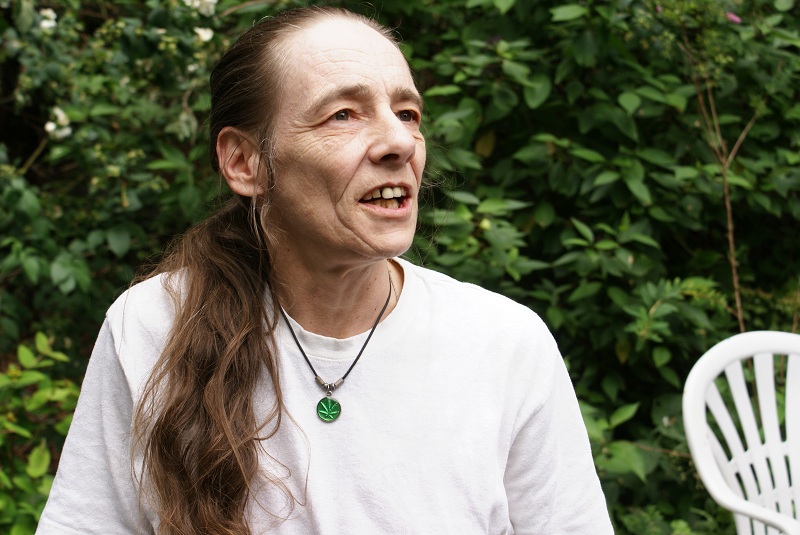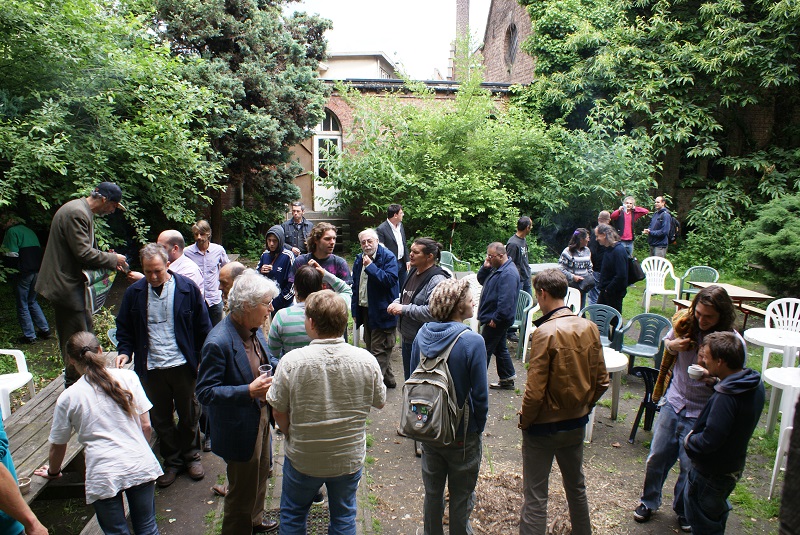
Greg de Hoedt is a prominent British cannabis activist and filmmaker. He is the President of the United Kingdom Cannabis Social Clubs, an organisation made up of grass roots cannabis activists. He is also the Community Support Director for the UK chapter of NORML (National Organisation for the Reform of Marijuana Laws). After an article in the Guardian brought cannabis social clubs to the attention of many Britons, Greg kindly agreed to answer some questions we had about them.
How long have you worked with the UK Cannabis Social Clubs movement?
Since its inception in 2011. After a 6 month tour around four of the medical marijuana states in the US I was compelled to come back and start making progress here in the UK which has been a long way behind what I had been living around. Orson, Jack, Clark and I started talking and decided to push the idea and get as many people on board as possible. Things took off in a matter of days.
What factors have led to the blossoming of cannabis clubs in the UK? Why now?
People are sick of either being arrested or watching other people face unfair and unjust repercussions for using cannabis; it has a dramatic impact on an individual’s future. We are fed up with the way things are in this country. Amsterdam is a 45 minute flight away, there is an increasing CSC movement in Spain that has spread to other parts of Europe and more and more American states are legalising medical marijuana use. Social networking sites have been a great tool for allowing cannabis consumers to meet each other and to find out what is going on in their community, it’s really served as a starting place for clubs who have now moved on to having public meetings and social events. We know that when we all stand together we are much stronger and that’s what we act as, an association of the CSCs forming in the UK.
Are we likely to see a police crackdown? Or do you think they would see it as a waste of energy?
We hope that the police would see it as a waste of energy and their much needed resources which, in times of austerity, could be put to better use detecting, solving and preventing real crime. We have the same aims as the police – we are concerned about the situation of the drugs market in our country and the damage it is causing, and we are doing what we feel is right as citizens to correct the issue with a practical solution. If people want to be transparent about what they are doing and say “I do not want to fund organised crime for my cannabis or be involved with anti-social behavior; I want to grow my own at home” or be a member of a collective where their grow is shared between the members, then the police should not have a problem and neither should the law. Only members signed up to a collective will receive the cannabis they grow so there is no dealing involved and it is not done for profit but to save money and lessen the burden on the community that gangs selling cannabis often cause. The police cracking down on us would only support the criminal gangs and start putting larger amounts of money in their pockets again – we don’t want to fund gangs and we don’t think the police should want to fund them either.
How important are these social clubs in the push for better cannabis laws?
Well, we have just seen Uruguay crown themselves as the first nation to legalise cannabis and regulate its market, and the introduction of a Cannabis Social Club model has been included as one of the options for people to obtain their cannabis. That can only strengthen the case that we are presenting here in the UK. CSCs show that growing cannabis isn’t about greed or exploiting people, and that most people who use cannabis do so in a responsible manner – not what The Daily Mail would have you think. Not everyone can grow their own cannabis, has the time to or even wants to, so joining a collective that has one garden to meet the needs of all the members meets their needs, and it will also reduce the amount of indoor grow set ups and that’s got to be healthier for the environment. What this then also leads onto is a number of jobs that are going to help unemployment and the economy.
The stated aim of the UKCSC movement is to ‘normalise’ cannabis. Attitudes might be changing, but there are still a lot of misconceptions around cannabis. What are the next steps towards normalisation?
There is a negative stigma that is put onto people who use cannabis and it is totally unwarranted. There is also a large racial disparity in the enforcement of drugs laws in the UK. More white people use drugs than African and Asian people yet white people are stop and searched less and prosecuted less and quite dramatically. Cannabis use is traditional and cultural in both recreation and medicine and it is only in the last 40 years that we have moved away from cannabis medicines and made it against the law. Patients that use it do not need the added stigma. Cannabis medicine is coming back into fashion again now thanks to real scientific research previously only hindered by the law and the topic of regulation has become global.
In the past the UK has seen several coffeeshops open up and sell cannabis with the authorities knowing full well what has been going on and they have been left to operate for between 9 and 14 months. It’s time we started pushing the boundaries a bit more now and not wait for them to be moved for us. Opening café’s or cannabis social clubs for the purpose of people being able to have somewhere safe to use cannabis that doesn’t affect other members of the public is the direction we think things should go. It keeps people from smoking on the streets in the Netherlands and Spain, so why not here?
Harm reduction in the cannabis community is not as widespread as it should be. Are the cannabis clubs promoting the health of cannabis users?
The UKCSC take harm reduction very seriously. We promote safer ways to consume cannabis, educate about how to check for contamination, and give growing advice to prevent molds and to grow organically without the need for chemicals or pesticides. We also offer advice to people looking to start their own as we feel reducing the number of people reliant on cannabis grown by organised crime is going to help reduce the harm to the community. It is also important that we make sure people know how to spot a problem with their cannabis use by making sure they know about the strengths and different cannabinoids and terpenes which make up the effects of the various strains available. Not everyone gets on with the same type of cannabis so education is the best way to minimize any potential negative effects. We had a guy come to us last year that had been diagnosed with mental health problems a few years earlier – something he sees differently now. He wanted some advice because he didn’t understand why when he smoked some weed it was fine but when he smoked it other times it would make him edgy and unable to think straight. He had no idea how simple it was to manage his use with only a small bit of information about the different things that make up cannabis. Now he is one of our best campaigners and regularly gives interviews to his local press.
There are cannabis clubs across the world, notably in Spain and the USA. Are they solely leading by example, or are they actively supporting the UK movement?
We have formed a few bonds with other clubs in Europe and are members of ENCOD (the European Coalition for Just and Effective Drug Policies) who give us some good support and advice based on the experiences they have had and are continuing to have in Europe. We are just working on what is already being done and is being successful, it would be great to get some more support from people that are involved with industry to help boost the impact we can have here in the UK. We have GW Pharmaceuticals to compete with over here, who have a Government granted monopoly on the cannabis industry. If we aren’t going to stand up for the rights of people that don’t just need it for medical purposes (which few in the UK can legally do so) then we are going to be stuck and left with nothing more than we have – or less – for a long time. It doesn’t have to take already active ganjapreneurs from other countries though, there’s plenty of room for people in the UK to start something for themselves from the ground up and now is definitely the time.
The UKCSC movement has pulled off some impressive stunts, including a massive smoke-out in Hyde Park and even getting high in the Shard. Can we expect more escapades in the future?
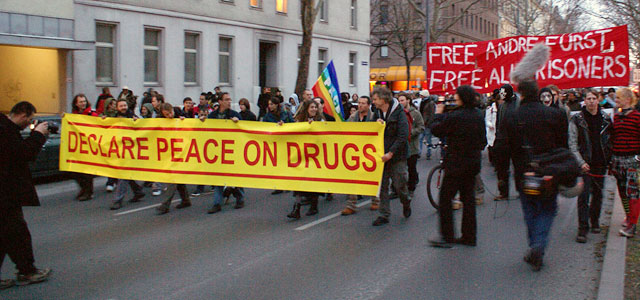
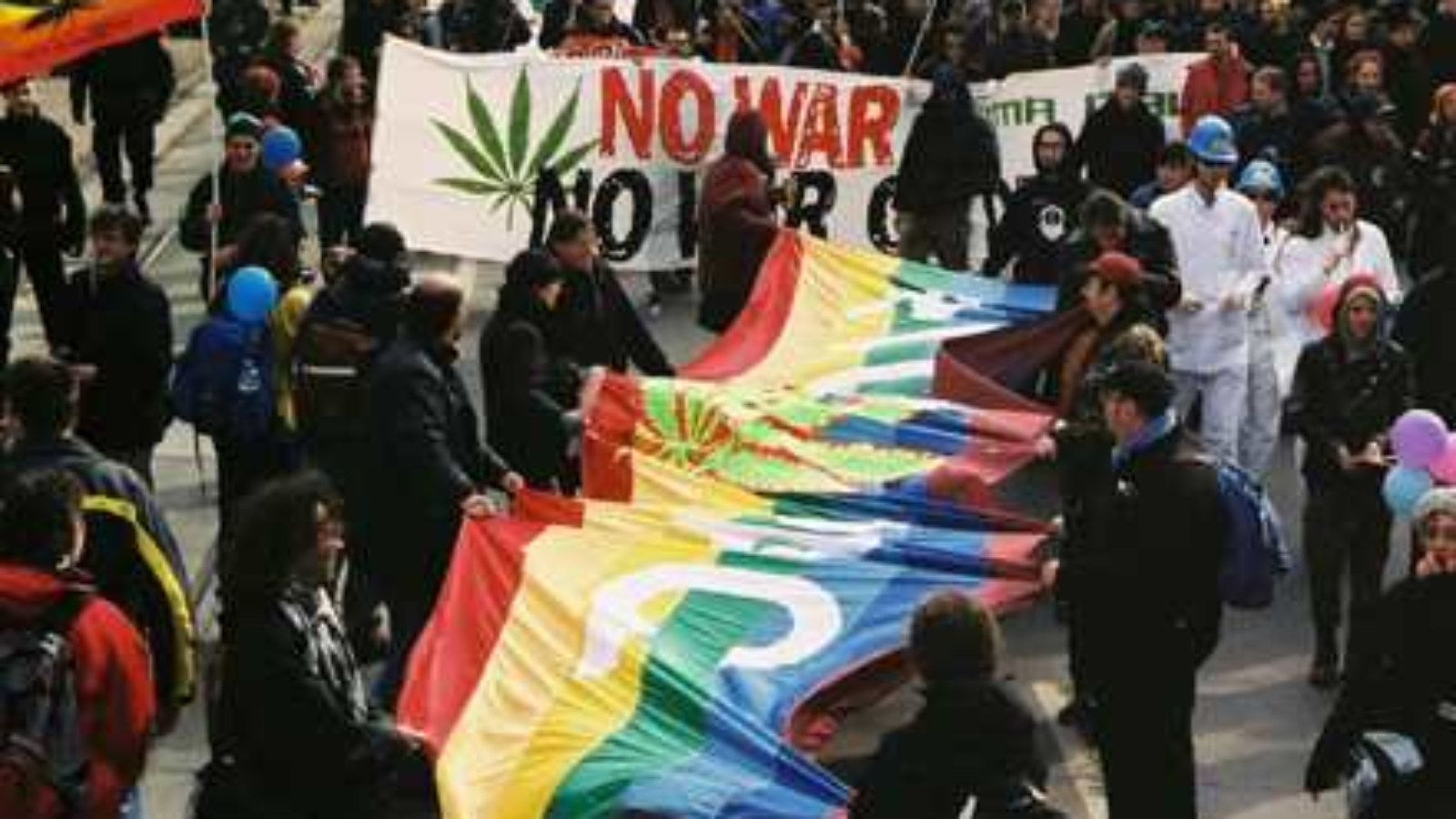
This year 420 in Hyde Park is going to be interesting and we would encourage everyone to come along. It’s the last time April 20th will fall on a weekend for a good number of years so we have to make the most of it. There will also be another march in Cardiff for the Global Cannabis March in May. There are a few private annual Cannabis Cups dotted around the country so I am sure there will be a lot of buzz around those when they happen. Of course there will be more protests and public gatherings in every part of the country throughout the year along with the first Cannabis Social Club to open its doors in Manchester – New Way Café by activist Colin Davies who opened The Dutch Experience, Stockport in 2001 (The UK’s first coffeshop). We are sure that won’t be the only one though, in fact, we can confirm it won’t be the only one…so keep your eyes on http://ukcsc.co.uk to be the first ones in the know about all things cannabis progress in the UK.