Suomen kannabisyhdistys: Finnish Cannabis Association

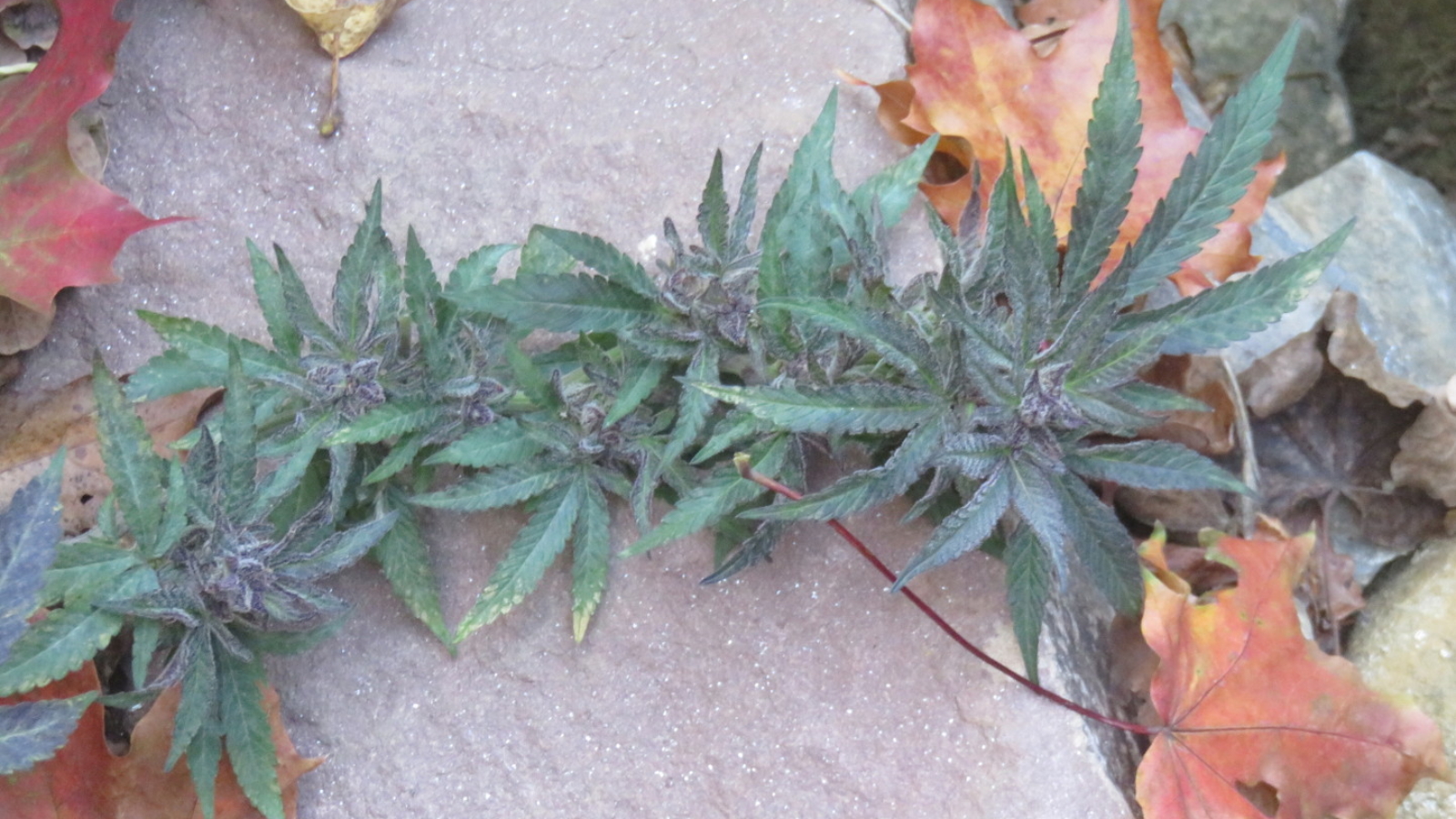
SKY, The Finnish Cannabis Association, has been founded in 1991 in order to influence drug policy in a way that cannabis cultivation and possession are permitted for adults and production and distribution become regulated.
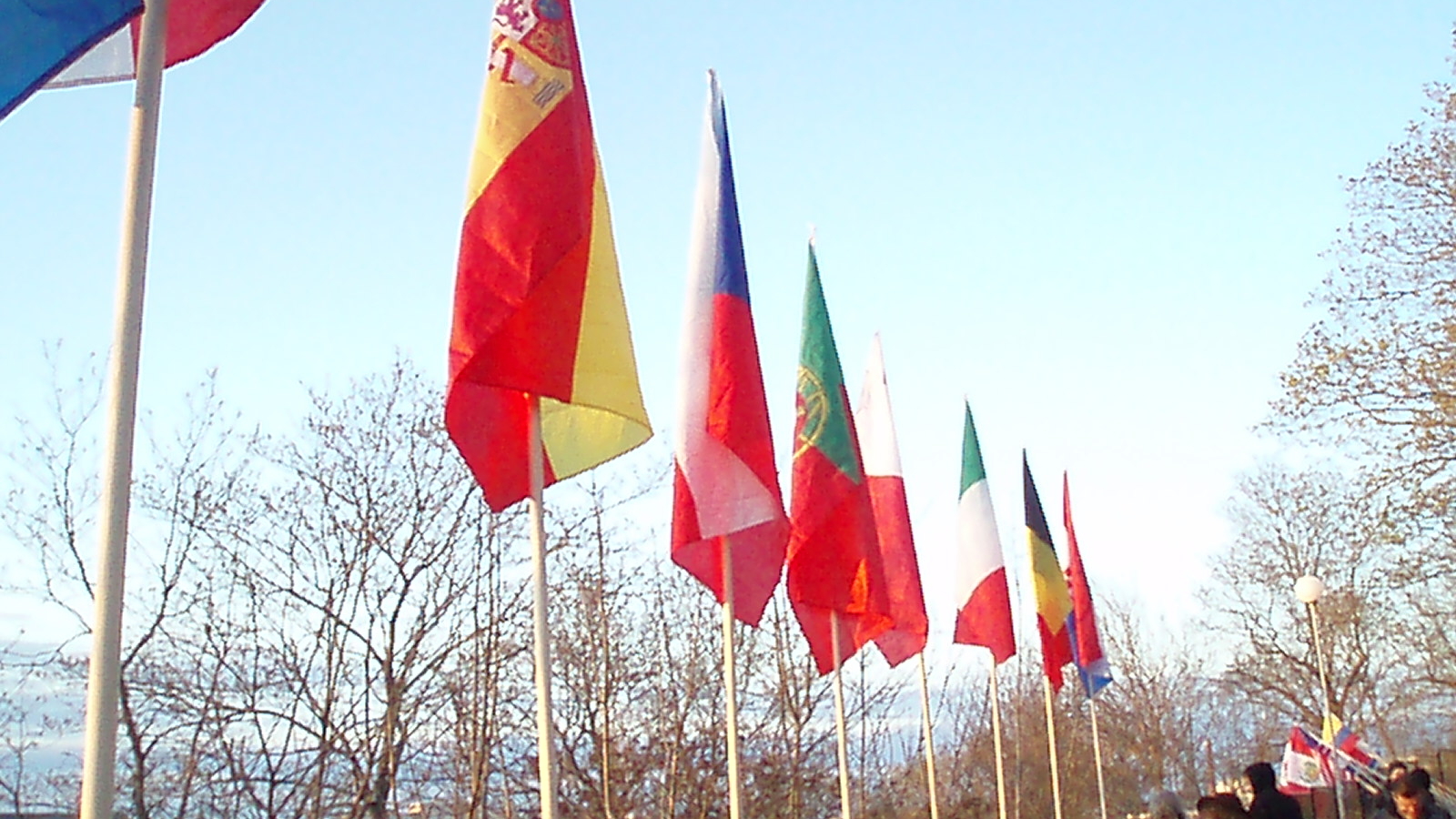
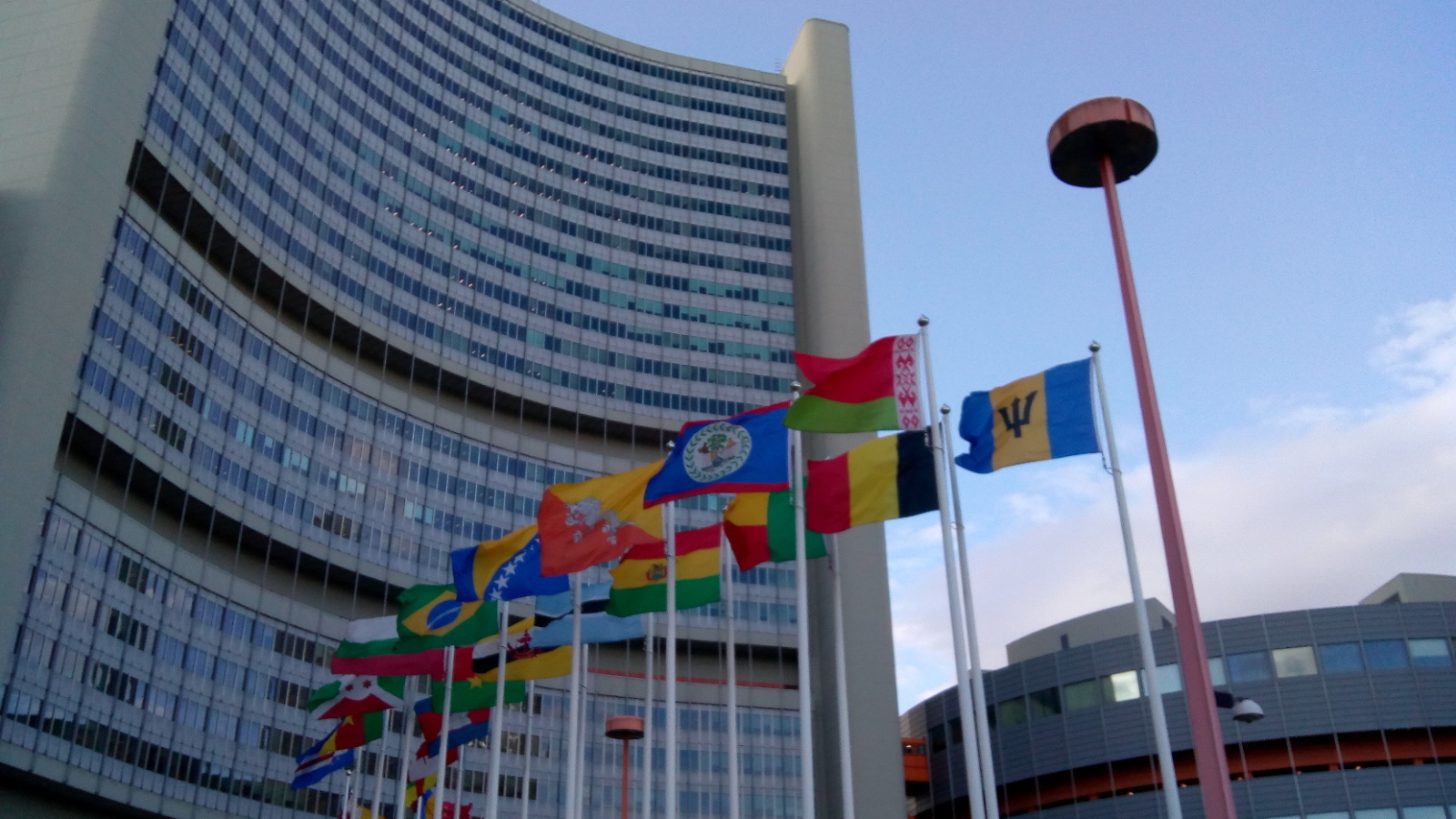
As a veteran organization, it has a long experience with public appearances like the Wind Direction Action in 2020, an installation that showcased flags of countries that have already taken at least the first steps to a more reasonable drug policy.
Like many groups of civil society SKY suffered from a serious lack of funding, people stopped being interested when legalization did not happen instantly. But with a recent action SKY managed to regain attention, bringing an increase in membership, especially young people who have joined to strengthen their ranks.
SKY has initiated a successful citizens initiative to decriminalize cannabis use, for which they gathered 60.000 signatures. The initiative would stop punishing for using cannabis, allow a person to possess 25 grams, and grow 3 plants.
It was presented to Finland’s parliament on November 5th 2020, it is receiving a lot of media coverage and has reinvigorated the discussion within society. There will be a law committee hearing about the initiative on February 17th 2021. For updates and developments on the citizen’s initiative click here.
SKY is a long-standing member of ENCOD.

Sky.org


06

Report General Assembly 2020

Minutes from the ENCOD online GA 2020 on the 31st of January 2021 from 2 pm to 19.30 pm.

In total 17 members were present.

1. Country reports: France, Germany, Malta, Netherlands, Slovenia, Spain, Italy, Czech Republic, Austria, Belgium

France

People think cannabis is legalised, there are many CBD shops even though some are targeted by police. KanaVape company contributed much to this perspective of CBD being legal.

Evolution in the harm reduction sector, they are interested in the CSC and putting cannabis in the harm reduction programs.

On the policy level, there was a lot of change. You can get fined for smoking cannabis on the street (200 € if paid immediately), if you are caught several times you can be prosecuted.
In the parliament there’s a group of MPs from different political parties, they want to study all different uses of cannabis: medical (France has launched a program for 3000 patients to get access to medical cannabis), well-being (CBD hemp products), adult use (recreational use), industrial uses of cannabis (what kind of products can we obtain from cannabis).

More willingness for civil disobedience. French public opinion: 75% of people think the current law is bad and it should change, 85% people think public health and human rights should be taken into account when reforming drug policy.

Due to Corona the prices on the black market rise for double or triple. Also the quality is decreasing. CBD is being sold as high THC weed on the black market being sprayed with synthetic cannabinoids. This can cause problems. Alcohol consumption is increasing too.

Germany

It took three years to grow medical cannabis in Germany and from now on it will be available for patients on prescription. The quality of the medical cannabis from pharmacies increased and is getting better, but there’s not enough in quantity, so the plans are to keep on with import.
Similar to France, Germany had raids of CBD shops and harsh sentences. It’s not legal but it’s being done a lot.

The DHV made a huge campaign with judge Andreas Müller and filed a “Normenkontrollantrag” (request to review the cannabis laws by the federal constitutional court). The authorities tried to stop Müller’s involvement in cannabis cases but were not successful so far.

All the events (GMM and Hanfparade) were online and quite successful. People were invited to give their opinion on social media and post it to the national decision-makers. “Cannabis is not broccoli”: https://www.youtube.com/watch?v=L27ffKWOBBE. The DHV made a campaign with 6 billboards to react to this statement of Bundesdrogenbeauftragte Daniela Ludwig, as part of a campaign to criticise Betäubungsmittelgesetz BtMG (narcotics act, law on narcotics).

Cannabis is not broccoli” is reminiscent to “the prohibition of carrots” video clip: https://encod.org/uncategorized/the-prohibition-of-carrots/

Malta

In 2020, the situation of drug policy in Malta did not change and continued to echo the legal amendments introduced in 2015 (Drug Treatment not Imprisonment Act), whereby small amounts of substances (3.5grm cannabis, 2 XTC pills, 2grm cocaine) have been de-penalised and a fine, instead of court proceedings apply.

It is curious that official EMCDDA reports and other data related to Malta define these changes as falling under a ‘decriminalised’ system. However, this is not the case and a Government official (behind closed doors), made it clear that Malta is in de-penalized system. In fact, persons caught with an amount within the law are still picked up and interrogated by the police at the police station. The person then is summoned before a tribunal and given a fine.

Cases before the tribunal amounted to 790 in 2016, 708 in 2017 and 608 in 2018 [1]. Media reports highlight that by the end of 2018, the numbers between 2015 and 2018 totalled to 3,000 [2]. Data from 2020 is not yet available, however due to the ongoing Covid-19 pandemic and restrictions on entertainment venues, there was obviously less media attention to busts carried out by the police, potentially also because the usual summer festivals where not held and therefore the police had less access to mass gathering events. Interestingly, a recent study using university students as samples highlighted that there was increased drug use by students during the lockdown and that religion acts as a protective factor against substance misuse [3].

The situation concerning medicinal cannabis patients has somewhat improved in some areas, yet remained the same in others. Malta has now a total of 4 different strains and CBD:THC ratios. Nonetheless, only flower form is available and this continued to be heavily priced (16.50 € / gram). Patients have no other means to obtain cannabis and if found cultivating a plant, although not facing effective jail term, are still taken to court to prove that this is not done for trafficking. Furthermore, persons requiring medicinal cannabis but had a history of problematic substance use are barred completely from applying.

[1]https://family.gov.mt/en/Documents/EN%20Drug%20Report%202019.pdf

[2]https://timesofmalta.com/articles/view/close-to-3000-drug-offenders-handed-second-chance-since-2015.707411

[3]https://cdn-others.timesofmalta.com/7420b7de4c1f321b8e974cf44dca9345e1025211.pdf

Local experts explain that once a person has been addicted to heroin, then the person will become addicted to cannabis (THC). This is causing grave injustices, especially for persons who have stopped using heroin for over 15 years and now need medicinal cannabis for other ailments. CBD oil is still technically not officially available in pharmacies and it is not clear if you need a prescription or not.

4/20 April 2020 Video by Parliamentary Secretary Hon Rosianne Cutajar, on the importance to combat stigma and discrimination for people who use cannabis and the government’s promise to bring about changes.

January 2021, the PM declared he is in favour of cannabis for recreational purposes.

ReLeaf Malta issued 2 resolutions in April and May 2020 and continued to liaise with the government and key local stakeholders. According to them 4 main areas are in need of urgent attention:

1) Decriminalisation of seeds and growing for personal use

2) Establishment of small cannabis social clubs

3) Removal of criminal sanctions and revision of ridiculously small amounts allowed by law

4) Promote the rights of medicinal cannabis patients (accessibility, affordability and choice)

Netherlands

Fair Trade Coke – towards a constructive, humane and sustainable alternative is an organisation to destigmatize the coca leaf and cocaine and to reframe the public opinion about the coca plant and cocaine. There are a lot of drug seizures of cocaine in the Netherlands and it is being destroyed. It’s a fail rather than a success.

The organisation is working on the spiritual value of the coca leaf, how it can be an example of how we look at nature, treating it as a spirit, and redefining our understanding of it.

https://www.instagram.com/fairtradecoke/

http://fairtradecoke.org/publications/

There’s the intention to prohibit coffee-shops in Amsterdam to sell cannabis to tourists. The experiment of the coffee-shop chain allows 10 growers to grow cannabis for coffee-shops in 10 municipalities. This means a standstill regarding any other cannabis innovation in the Netherlands for the next 8 years, with the exception of this experiment.

One CSC in the Netherlands specialises in the medical use of cannabis and has 200 members, each growing 5 plants from which they produce extracts and supply their members with it for free or a small contribution.

Spain

Conversation with parliamentary group Podemos will present a proposal about cannabis social clubs and medical cannabis regulation. Due to Covid, all the processes were delayed.
Agricultural NGO, harm reduction, and other organisations are joining forces and pushing for regulation.

People from CSCs got sentenced, seed companies are being shut down. The radicalization of organised crime groups. On one hand, social movements are repressed, on the other certain non-European companies are getting licenses to produce medical cannabis for export.

The tobacco shops started to sell CBD products, but that was discontinued.

There’s a new delegate on the national drug program. The discourse is changing in the country (for example: commission on the problem of drugs → commission on studying addiction).

Italy

Confusing situation since the fall of the last government. CBD shops are generally legal. Much of the CBD products are produced in Italy and sold in France. Cannabis mainly comes from social supply, mafia is generally more involved in cocaine business.

Slovenia

Far-right party is in power now. There was some news about them wanting to regulate the cannabis laws but nothing concrete came out of it. Recently, the municipality of Ljubljana closed a famous squat called ROG and threw out several organisations and initiatives working there, including harm reduction programs. More information is available at: https://vimeo.com/user9963769

https://idpc.net/blog/2021/01/ljubljana-authorities-destroy-community-hub-that-housed-harm-reduction-initiative

During the Covid-19 pandemic, there’s a lot of raids by police, mainly aimed at small cannabis growers across the country.

Czech Republic

Last year in-person GMM in September, with only 300 people, but it was good. Robert Veverka used it to campaign for the elections. It was a good meeting, representatives of the Pirate Party also joined and gave a speech.

The Czech Hemp Cluster did a presentation about licensing for medical cannabis cultivation. The price of medical cannabis produced in the Czech Republic is high so it was cheaper to import it from abroad. The health minister changed the law which will allow medical cannabis cultivation and export. That will improve the situation. 30g of 180g will be covered by health insurance. The new proposed law will be discussed in the near future.

Pirate party proposed to have the right to grow 5 plants but that didn’t succeed. There will be also more discussion on industrial hemp and extractions. One government representative is involved in the cannabis industry and also pushing the reform further. 2021 probably brings some improvements and a good future for cannabis in the Czech Republic is expected. Dušan Dvorzak is still in prison.

Austria

The last big meeting in Vienna was the 63rd Session of the United Nations Commission on Narcotic Drugs (CND) in March 2020. There was the terror attack, everybody was frightened. The police are doing a lot of raids and find grow-ops in private flats where the doors are left wide open, very strange. Due to Covid lockdown restrictions, there are many police controls and people are being raided at the same time for drugs.

The citizens initiative has been in the parliament for a bit over a year, being passed from one office to another. The political parties are not really in favour, though the official drug-control institutions who work with PWUD support our position and give feedback accordingly to the ministries.

Cannabis used for Covid-therapy:

https://kaernten.orf.at/radio/stories/3087614/?fbclid=IwAR35AwiaHi2HNrvD2aKXd3z2F9zI8UwfErmoEcDQMYAzJMWyJz-HTnUCEPw

Switzerland

Many people are in the flourishing CBD business. “Adult use” is widely tolerated, and a fine for users – up to 10 grams – was tried and the found unconstitutional. Cannabis is de facto decriminalised. However, a dispensary in Geneva (working in the grey area but accepted by the authority) was closed, due to a raided grow operation that was closely linked to the private space of the owner. The authorities are very aware of the scientific research in the field but find it difficult to change the cannabis laws accordingly.

Belgium

The situation in Belgium hasn’t changed since Joep left us. The only news is that the third appeal for Trekt Uw Plant will be decided on February 24 but that will not change anything because TUP went bankrupt last year.

2. Administration

In 2020 we received little memberships and donations due to the Covid-19 pandemic. There were other past debts to the Belgium government that we were not aware of. The debt will be paid but our budget will get significantly decreased. Therefore, we have to put even more effort into future fundraising campaigns.

Total income from memberships and donation in 2020 was € 4.506,97.
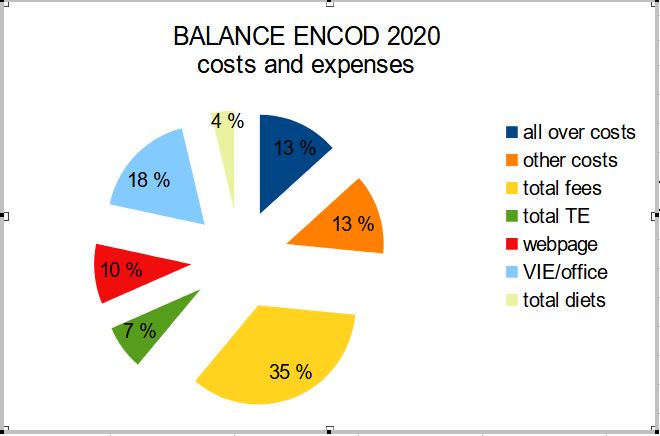
Since we are not having a representative in Belgium and are not familiar with the administrative procedures in Belgium, we think moving ENCOD from Belgium to Austria would be the best option we have. 14 people voted for moving ENCOD from Belgium to Austria, 1 remained neutral, 2 didn’t vote.

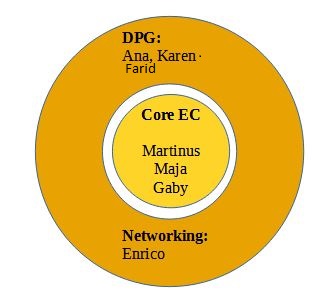
In Austria associations have three mandatory positions. Those are: president, secretary and treasurer. Gaby proposed to elect 3 people for these positions as the core Executive Committee (EC) who are in charge of administration and basic activities of the organisation, and implement the “inner circle” as the extended Executive Committee (EC), which will take care of project development. Gaby also proposed to include in our network little local initiatives and activists who are not able to pay the membership in exchange for a news article report or any other kind of contribution.

3. Project proposals and presentation of EC candidates

See all the applications here.

4. Elections for the new EC

The new core EC was elected. There was only one candidacy for the position of the treasurer: Gaby.

Also only one candidacy for the position of the secretary: Maja.

The candidates for the position of the president were Martinus van Lies, Enrico Fletzer, and Ana Afuera. After anonymous voting Martinus van Lies was elected president with 8 votes, Enrico Fletzer had 3 votes, and Ana Afuera also had 3 votes. 3 people didn’t vote.

The changes will take effect once the association is registered in Austria.

The new core EC is Martinus van Lies (president), Gabriele Kozàr (treasurer), and Maja Kohek (secretary). The rest of the applicants (Enrico Fletzer, Ana Afuera, Farid Ghehioueche and Karen Mamo) will all join the extended EC and participate in the monthly meetings with the core group. Any other members are invited to participate in the monthly meetings of the “inner circle”.
ibo1

In dubio pro reo: Free Sara Glatt!

ENCOD defends the freedom of persons to take an informed decision concerning the use of psychoactive substances and also supports ibogaine treatments but we emphasize that they have to be done in a secure context. We support the self-determination and empowerment of the people using all substances.

Therefore, we condemn the prosecution of Sara Glatt, who since many years practices ibogaine treatment to help the persons who want to stop using substances like heroin, methadone, cocaine, alcohol and amphetamines.

In the scientific literature, the withdrawal symptoms appear to be almost not existent after an ibogaine flood-dose although a complete medical check-up is needed since the treatment can be potentially fatal for persons with cardiovascular diseases or due to drug interactions during the session.

The treatment is not a magic silver bullet but allows the individuals to recover easier with proper after-care and sufficient personal motivation. The possible dangers are accounting for approximately 1 casualty every 300 patients. Being in the grey area does not mean to be responsible for the post-treatment patients or of treatments that were not activated.

500 years after the last witch trials in the Netherlands, the Dutch media call Sara the witch of Kockengen, the small village where she lived before she was arrested. We call out for a fairer trial under the motto “In dubio pro strigae” [In doubt for the witches].

According to the renown Dutch scientist Peter Cohen, the injustice of Sara Glatts’ conviction to 8 years in prison is based on the interpretation of the death of a person from Sweden, inside Sara’s house. This person came voluntarily but was refused both Iboga and an Iboga treatment by Sara because of her bad physical condition and because she came all alone (against Sara’s rules). The death of this person was nevertheless attributed to Iboga that the person somehow acquired inside the house where besides Sara also other people lived. In short, attributing this death to Sara’s responsibility is based on 2 weak interpretations:

1) it is scientifically impossible to make Iboga the CERTAIN cause of this death against the background of the person’s weak physical condition

2) it remained unknown who supplied the Iboga that entered the system of the Swedish person.

The attribution of this death to Sara Glatt’s responsibility is a consequence of the dominant (negative) perspective and narratives around drugs in general and Iboga specifically. I see this as resulting in a witch hunt, of which Sara is now a victim. Her conviction is a sloppy result of this process and does not satisfy a test of objectivity or even fairness. Without the weak interpretations, and with a bit more respect for all the unknowns and uncertainties around this death, Sara would have been free now. ENCOD requests that the doubts and uncertainties in this case will not be massively interpreted in Sara Glatt’s disadvantage. Where such serious doubts and uncertainties exist, objectivity and fairness should prevail.

Free Sara Glatt!


For a better drug policy1

The European Guidelines for Cannabis Social Clubs

Dear friends and members,

as part of the Freedom to Farm campaign, we are proud to publish the operation guide for Cannabis Social Clubs. 

Cannabis Social Clubs (CSC) are one of the most deeply-rooted and widespread models for regulating cannabis in the European Union. According to a study published a few months ago by the researchers of the University of Ghent, there are CSCs in 13 European countries. Although with some operational differences, this model guarantees a viable and effective regulatory option. CSCs also spread to various non-European countries. Currently, this type of organisation can be found in Argentina, New Zealand and they have been regulated in Uruguay since 2013.

CSCs are non-profit associations and base their activity on the self-supply of cannabis. The CSCs were born in Spain thanks to a long history of legal victories related to self-cultivation and shared consumption. At present, they are a real alternative to illicit markets, in which users themselves organize self-supply, thus guaranteeing the traceability and availability of the substance while reducing both legal and health risks. One of the main objectives of a CSC is the promotion of health and the reduction of potential risks or damages associated with consumption, as well as avoiding contact of users with illicit markets including preventing access for minors.

ENCOD is publishing the Guidelines to introduce good practices for Cannabis Social Clubs and to standardize the management model. Their purpose is to support civil society and offer a regulatory framework that ensures safe and controlled access to cannabis, as well as guarantee legal security for people who use cannabis.

You can also download the guidelines here.

Contact us for any further questions.

We wish you happy holidays and stay healthy!


cannareporter

“Cannabis was buried by a century of ignorance and prejudice” – Interview with Enrico Fletzer

CannaReporter spoke with Enrico Fletzer, President of the Executive Committee of the European Coalition for Fair and Effective Drug Policies (ENCOD), in order to understand the implications of voting at the 63rd session of the Commission on Narcotic Drugs (CND), which removed cannabis from the Annex IV in the 1961 Convention.

Please read the interview on the link below (available in Portugues, Spanish, and English language):

Enrico Fletzer: “A canábis foi enterrada por um século de ignorância e preconceito”


IMG_4433-1

Canna-chaos in Vienna?

The genesis of the decision of today’s 63rd Reconvened Conference on Narcotic Drugs of the UN is certainly due to the perseverance of the international activists of ENCOD, FAAAT and the US Veterans for Safe Access and many other friends who from Mexico to Barcelona raised the cannabis issue and the legitimacy of the past control system which has been highly exaggerated as to cannabis issues.

For the first time, some poor and underprivileged activists of the civil society forced the WHO in Geneva after 5 years of intense work to make up their minds on the therapeutical potentials of the plant. It has been a long trip to stimulate and finally, the experts sent their recommendations to the drug authorities of the UN in Vienna. This long trip is not over yet. But considering it by some aspect quite unrealistic in some corridor discussions at the ENCOD GA in Slovenia, the actual result of 2nd of December 2020 is a real breaking point and a light in the darkness of the past century of cannabis prohibition.

As a matter of fact, the cannabis issue has been buried by a century of ignorance and bigotry starting with the fascist-racist imprinting of the Italian medical delegation at the 1925 meeting of the League of Nations that started to pose the cannabis issue as a threat to the white race throughout all the years where the science achieved seminal results in the cannabis research which were never taken to knowledge hitherto by the state community.

All efforts to reconsider cannabis as to the outdated 1961-1971 Single Convention on narcotic and psychotropic substances were postponed several times and discussed finally today at the 63rd Conference on Narcotic Drugs of the United Nations closing on the 6th of March 2020 and reconvened on 2-4th of December to establish the viability of cannabis in the global pharmacopoeia after the UN treaties in 1961 assessed its forfeiture in the medical applications despite the fact that most cannabis-related scientific the research was still to be done.

Two statements of civil society were sent to the CND, one lead by Encod (Vote Yes) with 195 signatures representing 53 nations stressing the need of the full recognition of the therapeutical potential of the cannabis plant and last but not least, the appeal, subscribed by Forum Droghe of Italy and others like Science for Democracy, that highlighted the importance of science-driven policies on this respect.

As a result, cannabis was taken out of schedule IV with the consent of 27 nations voting yes and 24 against. It is a historical change in the rather elephantine structure of the global drug control mechanism. Cannabis is still considered (mainly for political reasons, as admitted the WHO experts) as dangerous as heroin and fentanyl being left in schedule I. But the result will accelerate society to evaluate the empowerment of just and effective drug policies. The other proposals were rejected like the insert Dronabinol, the non-proprietary name of THC, from schedule II to schedule I. Also, the question of CBD was rejected and similar dispositions on extracts based on THC. There have been countries that rejected those recommendations being rather liberal on cannabis like Canada. Hungary seems out of control and meanwhile so obsessed that they opted against a major restriction of cannabis in schedule I as to pure THC remaining in Schedule II whereas the flowering tops remain notably in Schedule I.

Most probably the latitude of the single nations will grow and accomplishing the declarations of the former Bush and Obama drug czar John Brownfield whose doctrine allows the US to do whatever they might dispose of as to cannabis but tend to oblige the other nations to follow the flawed daily grind of the UN we have just attended today.
In the meanwhile and at the centre of our political agenda a simple and basic slogan:

Freedom to Farm!


PLEASE CHECK OUT THE CND MONITOR HERE:

Monitoring the vote on WHO medical cannabis recommendations (V6)

5-1

Human Rights and Public Health shape a new agenda on drugs

Dear members and friends,

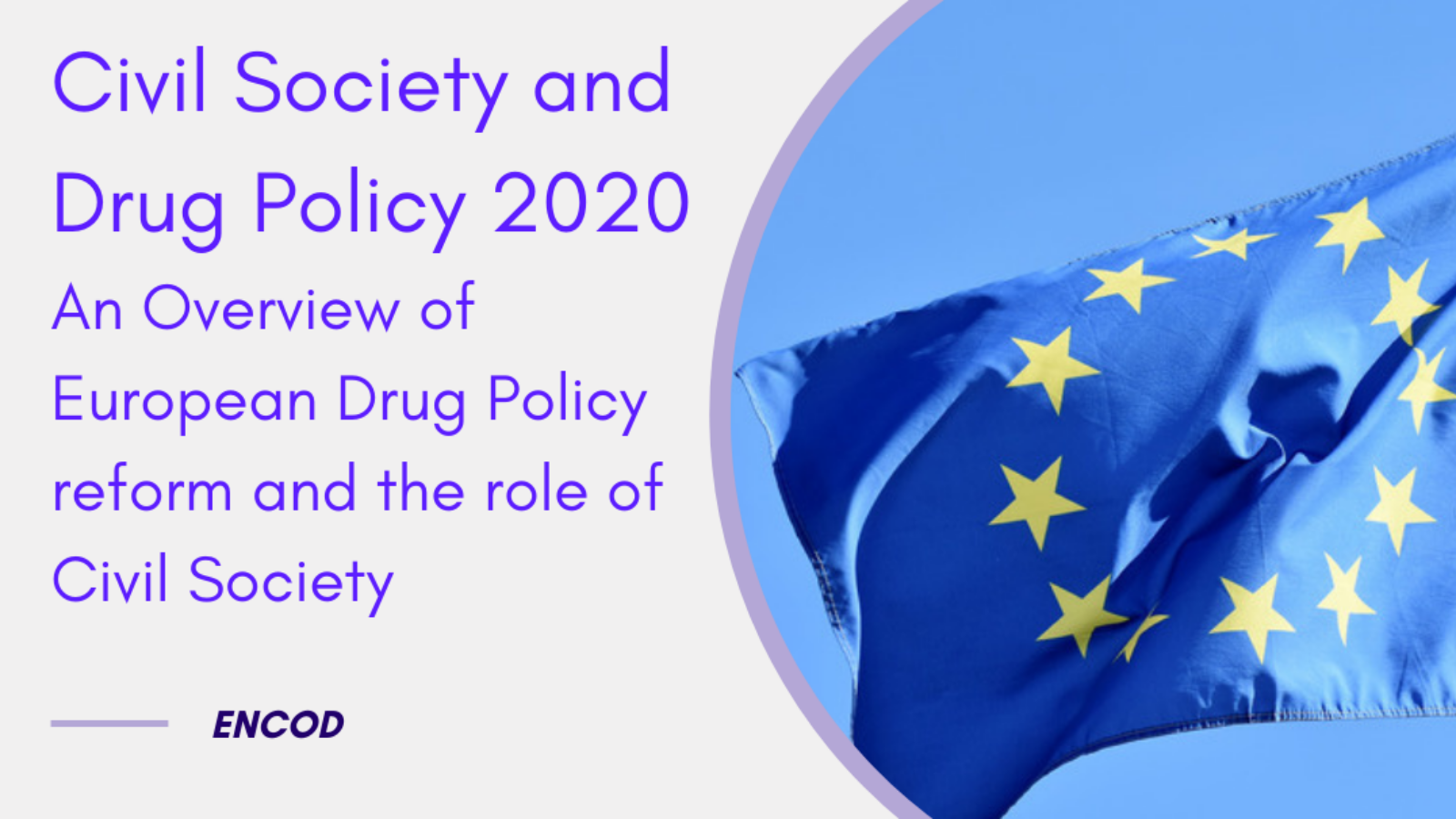
we are glad to publish the report Civil Society and Drug Policy 2020: An overview of European Drug Policy Reform and the Role of Civil Society. The report points out the need to overcome drug use criminalization in those European countries where actions related to personal use continue being criminal offences. It emphasises the urgency of cannabis regulation in some countries. Additionally, it describes the European PWUD movement, its claims and protest tools.

Starting today, the Commission on Narcotic Drugs (CND) is having the Reconvened 63rd session where countries are expected to vote on cannabis rescheduling, besides that the European Union is carrying out the definition of the new Drug Agenda 2021 – 2025, which the European Council and Parliament will debate in the coming weeks. This report tries to convey the vision of Civil Society to public decision-makers to generate a drug policy that protects the rights of individuals and Public Health.

We want to thank all the contributions and support from Civil Society stakeholders to make it possible.

Download the report here.


inpud and drug reporter

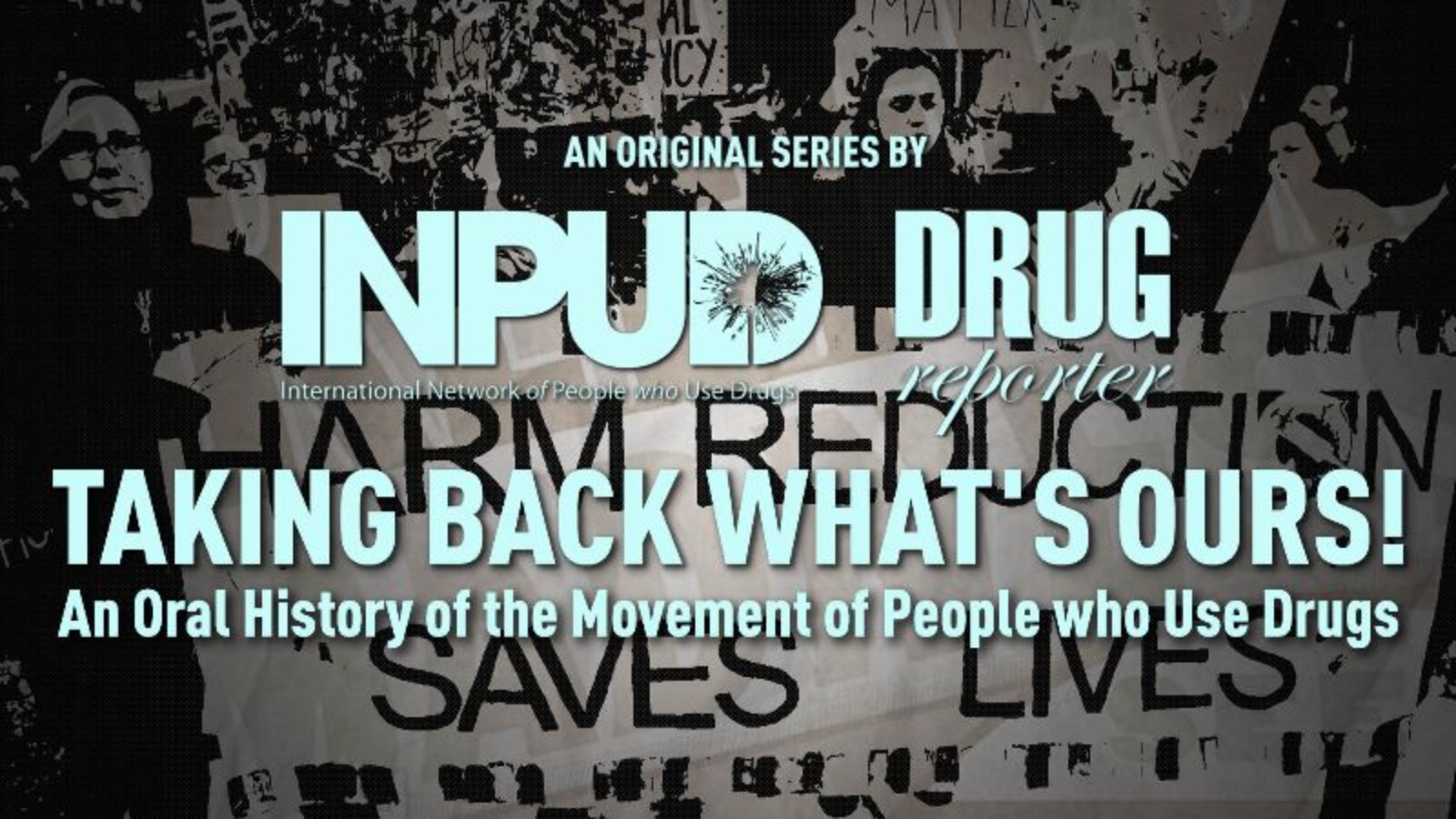
TAKING BACK WHAT’S OURS! An Oral History of the Movement of People who Use Drugs – Documentary Series by INPUD and Drugreporter

Dear members,

we invite you to watch the documentary series “Taking back what’s ours!” made by INPUD and Drugreporter:


The Rights Reporter Foundation (Drugreporter) and the International Network of People who use Drugs (INPUD) produced a new documentary film series titled “TAKING BACK WHAT’S OURS! An Oral History of the Movement of People who Use Drugs” that aims to document how the movement of people who use drugs have formed around the world, how they maintain momentum and mobilise, and how they undertake their work and show resilience in a context of criminalisation, marginalisation and oppression.

The episodes follow the timeline of the development of the movement of people who use drugs from Amsterdam to Afghanistan and globally. The production of the series has been a great adventure. We conducted 34 video interviews in 20 countries around the world. 8 interviews were filmed by the Rights Reporter Foundation, the rest by members of the Drugreporter Video Advocacy Network, video activists, and freelance videographers worldwide. The documentary series was also part of the online conference “HIV 2020: Community Reclaiming the Global Response” which ran from July through October of 2020.

You can watch or download each of the episodes by clicking here, or by clicking on the images below:

Episode 1. The Netherlands, Belgium and France – The first episode uncovers the history of the movement in the Netherlands, and how it inspired activists in Belgium and France. The episode features Theo van Dam, Tonny van Montfoort and Miguel Velazquez Gorsse.
Episode 2. Canada – The second chapter is about Canada, featuring Ann Livingston, Zoë Dodd and the Vancouver Area Network of Drug Users (VANDU) team.
Episode 3. Germany, Denmark and Norway – This episode is about the achievement of drug user groups in Germany, Denmark, and Norway, featuring Dirk Schäffer, Jørgen Kjær and Arild Knutsen.
Episode 4. South Africa – This time we discover the vibrant user movement in South Africa, featuring Angela McBrideNelson Medeiros, and Shaun Shelly of SANPUD.
Episode 5. United States of America – Activists from the United States look back on the history of the movement of people who use drugs in the fifth episode, featuring Louise Vincent, Hollis, Robert Suarez and many more.
Episode 6. Australia and New Zealand – In this episode of the oral history of the movement of people who use drugs, we learn about the successes and challenges in Australia, from four veterans of the user movement, Jude Byrne, Annie Madden, Geoff Ward and Charles Henderson.
Episode 7. Asia – Despite criminalisation, torturous forced labour camps, capital punishment and state sanctioned murder of people who use drugs, the movement of people who use drugs in Asia remains strong and resilient. Watch the new episode of our series telling the oral history of the movement of people who use drugs in Asian countries, with Simon Beddoe, Bikas Gurung, Anand Chabungbam and Edo Agustian. 
Episode 8. Afghanistan, Tanzania and Mexico – In this episode of the oral history of the movement of people who use drugs, we introduce three countries with new and emerging user movements, featuring Happy AssanAbdur Raheem Rejaey and Brun González.
Episode 9. Russia, Georgia and Ukraine – In this episode of the oral history of the movement of people who use drugs, we travel to three Eastern-European countries, where activists effectively fight very restrictive drug policies. The episodes feature Anya SarangSasha Volgina, Olga Byelyayeva, Anton Basenko, Paata Sabelashvili, David Subiliani and Koka Labartkava.
Episode 10. The United Kingdom and the International Network of People who Use Drugs – In the final episode of our documentary series on the history of the rights movement of people who use drugs, we introduce activists from the UK and from the International Network of People Who Use Drugs, featuring Judy ChangAndria Efthimiou-Mordaunt and Mat Southwell


IMG_20200303_155518-8

ENCOD’s ECOSOC status granted!

Dear friends, members, activists, media operators and all!

We are happy and proud to announce that with a long letter Mr. Marc-André Dorel, acting chief of the United Nations Non-Governmental Organizations Branch, informed us that ENCOD – European Coalition for Just and Effective Drug Policies – has obtained the special consultative status at the Economic Social Council of the United Nations, short ECOSOC status.
This result will empower our 26 years effort in supporting the most neglected parts of the global communities and particularly the consumers and producers of plants declared illegal.
Our new status within the plethora of the United Nations bodies and organizations will help us and the drug reform communities, but this official recognition will absolutely have to go along with our strong commitment to act according to our programs based on self-empowerment of citizens to end the war on drugs.

There could be also a possible happy end in sight if we all manage to save our planet: both ENCOD and ECOSOC promote the implementation of the Agenda 2030 Sustainable Development Goals. Most of us consider them to be strictly connected for instance to the drug political agenda as to coca and poppy but especially on cannabis. Formulated in a very interesting publication that has become a very important focus for its implementation of both social and development goals into which all parties are officially engaged to implement.

Due to our new status within the UN community, ENCOD will have more power to engage for the right of native people and marginalized communities to implement healthy, just and effective ways of combining the millenary relation of humankind with drugs by respecting people and nature.


In this sense always forward, never backwards.

Your Encod President

Enrico Fletzer


foto

The future of CBD

02.09.2020

End of July EIHA shocked us all with a press article about some upcoming decisions of European Commission regarding CBD.

Gossips and rumours started, nobody really knew what it was about.
ENCOD members are private persons, PWUDs, shops, NGOS, etc., they all have common but also different interests. Together with our members and co-activists we came up with this letter to state our opinion.

We hope we expressed what is really important and hope that the European Commission will understand the needs of people concerned and decide accordingly.

——————————-

18.09.2020

We received the first reply from the European Commission, Directorate for Health and Food Safety.