Source: News of the Weed


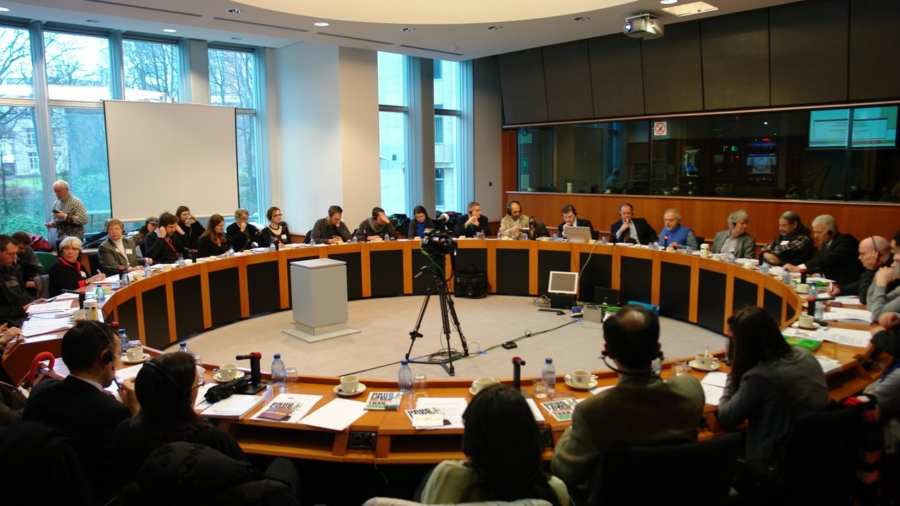
“REPRESSION DOES NOT WORK”
(Carel Edwards, Head of the Drugs Coordination Unit of the European Commission, the highest placed civil servant of the European Union concerning drug policies)
Brussels, 23 February 2010
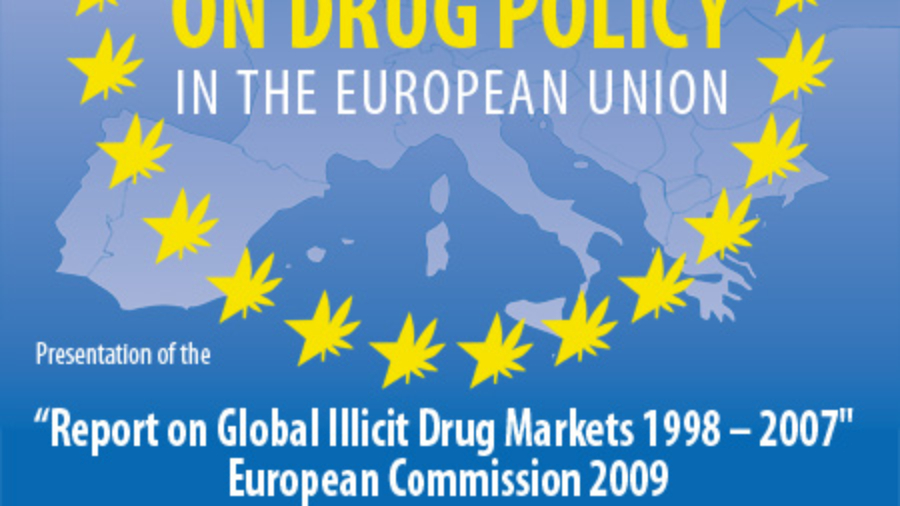
PRESS RELEASE FOR THE PUBLIC HEARING ON EU DRUG POLICIES ON 23 FEBRUARY 2010

STATEMENT ISSUED BY THE EUROPEAN COALITION FOR JUST AND EFFECTIVE DRUG POLICIES
On the occasion of the [European Commission Conference
“Bridging the Research Gap in the Field of Illicit Drugs Research in the EU”->http://www.illicitdrugsresearch.eu/init.xhtml?event=7]
24-25 September 2009, Brussels
During the last General Assembly, ENCOD decided to review the harm reduction policies and to elaborate a debate document with proposals on how more just and effective drug policies should be formulated. In order to fulfil that goal we are collecting information from all those organisations working in this area.
We will very grateful if you fill this questionnaire and send it to us before
March 15th.
With the responses we get we will elaborate a document that will be sent to you for comments.
Thanks a lot for your collaboration
Best regards
Virginia Montañés
****
QUESTIONNAIRE
How would you define the concept of harm reduction in your association?
What were the reasons why your organisations started to work on harm
reduction interventions?
Have you ever received any training on harm reduction? What entity did give that capacitation? Where did you get the funds from?
What kind of harm reduction interventions your organisation is implementing? Please, differenciate according to substances, environments, age, sex, gender, etc.
What kind of interventions do you think should be implemented and are
not? Please, differentiate according to substances, environments, age, sex, gender, etc.
Why do you think they are not implemented?
How do you think the gender perspective should be applicated in the harm reduction policies?
In case you work with both kind of programmes, how do you manage the
combination of drug free programmes with harm reduction interventions?
What kind of harm reduction interventions are promoted in your country by the administration? Are they coherent with the policy on drugs that is carried out in your country?
Optional questions for those who already filled the questionnaire on Drugs and Diplomacy:
Do you have any communication with the administration that design and
implement the drug policies in your country? Is it formal or informal? Could
you describe it?
This communication, was an initiative from your organisation or did it come from the administration?
PRESS RELEASE TREKT UW PLANT
6 February 2009