ENCOD invites the representatives of the media to a Press Conference with some organisers and speakers of the conference in Cafe Landmann, Dr. Karl Lueger Ring 4, 1010 Vienna
Time: Friday 7 March – 11.00 hs

ENCOD invites the representatives of the media to a Press Conference with some organisers and speakers of the conference in Cafe Landmann, Dr. Karl Lueger Ring 4, 1010 Vienna
Time: Friday 7 March – 11.00 hs

That’s the message from a group of 7 civil society organisations involved in the Pan-European drug debate.
Together, they have requested that the European Commission provide full details of the selection process used to choose delegates who will attend the Civil Society Forum on Drug Policy, which takes place December 13 and 14 2007, in Brussels.
Of an initial 75 respondents who expressed an interest in attending, only 26 organisations were actually invited. Now one of them (ENCOD, European Coalition for Just and Effective Drug Policies), is asking together with 6 other groups who were not invited, how the selection process was undertaken?
It would appear some of the groups that have been invited to the forum do not fulfil the criteria of a civil society organisation while others, who were not invited, represent important factors in the European drug debate, such as the drug consumers themselves.
Surely no single group is more or less important than another, so if 75 groups would like to attend, the European Commision should be prepared to hear 75 voices?
Since the first reflections on a common European Union drug policy in 1986, it has been stressed in official EU documents that civil society should be consulted and involved in the design and implementation of union-wide drug policies. Yet, in the past 21 years, this engagement has not been put into practice. Public and even parliamentary attention has been kept away from the outcomes of current drug policies, so a discussion about the lessons that could have been learned from them has not taken place.
Drug policy has a huge impact on European civil society. Current drug laws lead to the criminalisation of tens of millions of law abiding citizens, without any evidence that this is an effective way of reducing harm caused to public safety.
Meanwhile, due the illegal environment, drug consumption often takes place in unsafe conditions and irresponsible ways that create significant harm to the health of both consumers and their surroundings.
ENCOD – coordinator Joep Oomen comments: “The establishment of dialogue mechanisms with civil society on EU level is an opportunity to increase public acceptance of the European project. However, the way the European Commission is handling this project at the moment when it comes to drug policies, leaves much to be desired in terms of transparency and participation. It is an extremely negative example of what kind of democracy the European Union pretends to be.”
For more info contact ENCOD: +32 3 293 0886
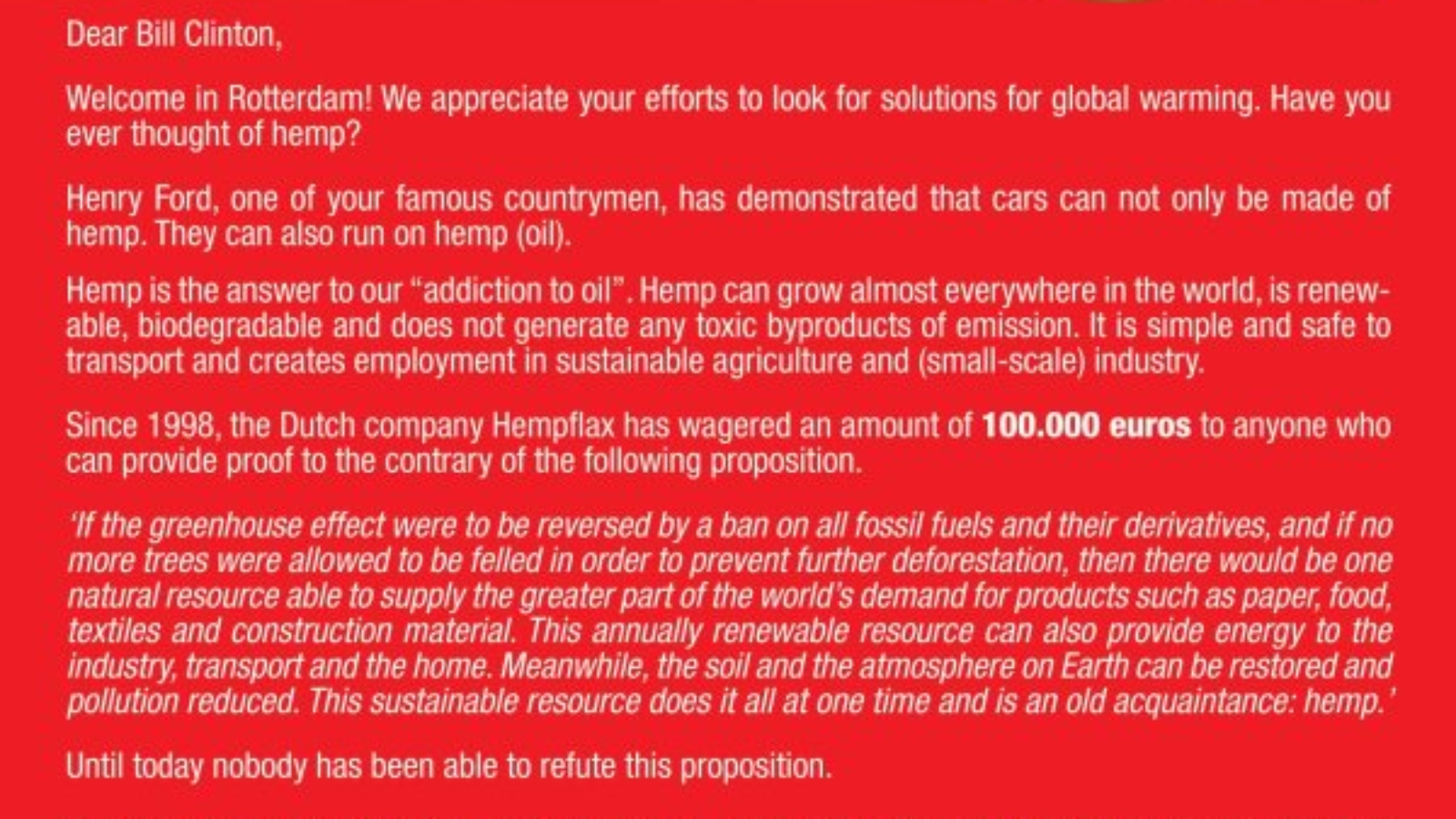

ENCOD SPEECH SYMPOSIUM ON 30 YEARS MDHG (Medical-social service for heroine users)
AMSTERDAM, AUGUST 30, 2007
TOMORROW’S DRUG POLICIES
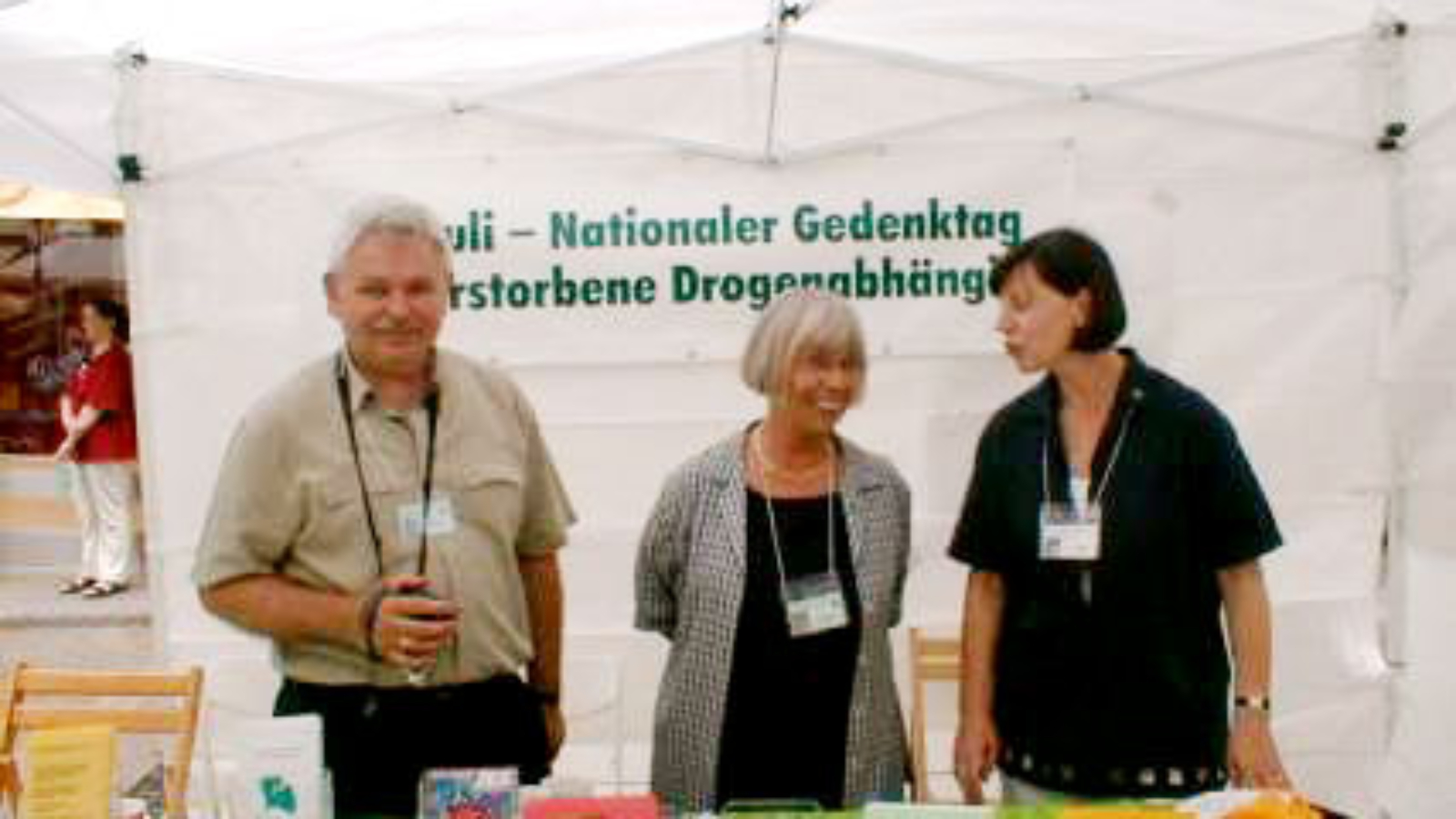
On the occasion of the Day of Protest, Action and Sadness, 21 July 2007
To: Bundesverband der Eltern und Angehörigen für akzeptierende Drogenarbeit e.V, c/o Jürgen Heimchen

Time to change.
The war against drugs has become a war against citizens
Press Release of the European Coalition for Just and Effective Drug Policies
June 27th 2007
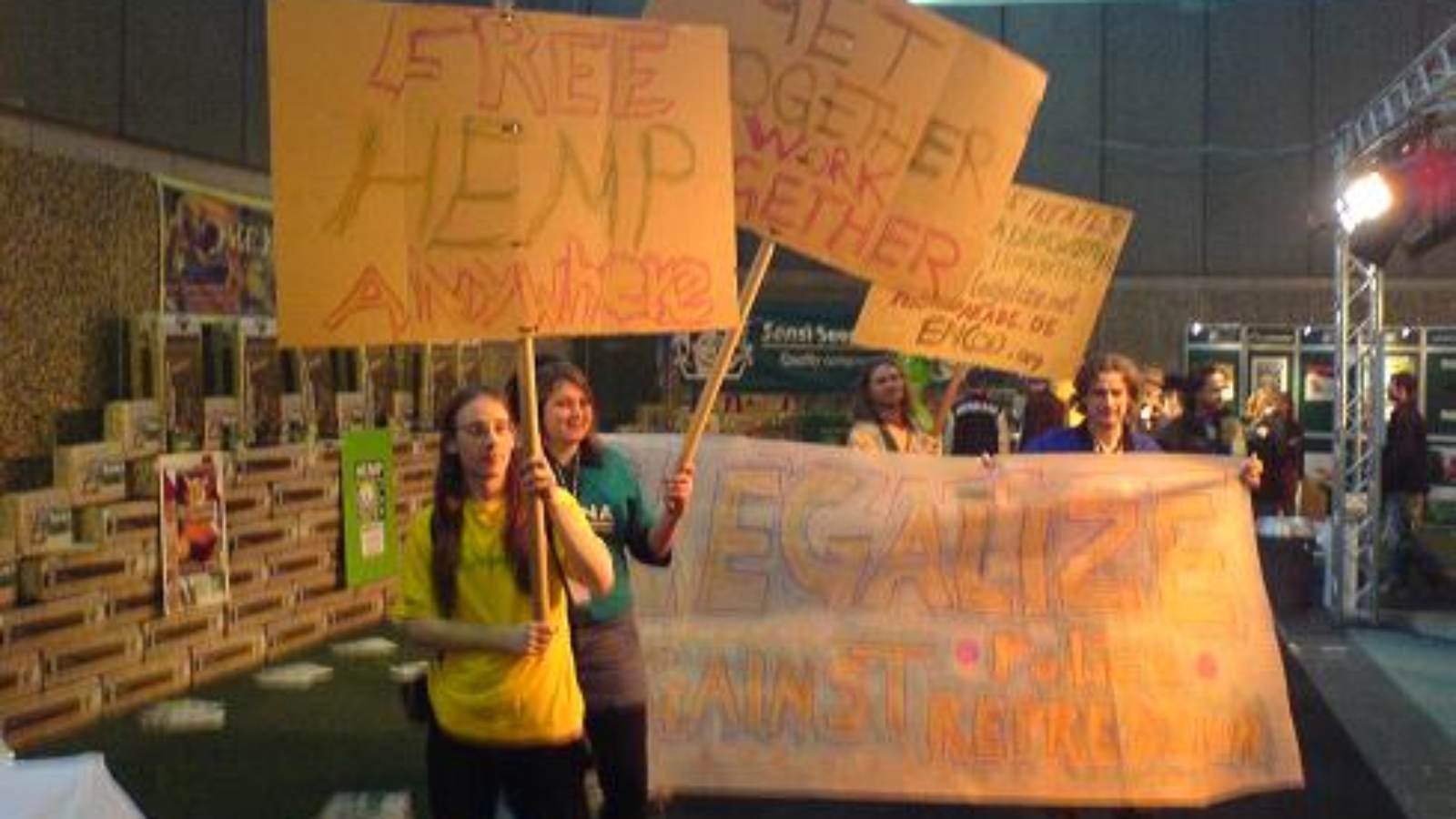
From 24 to 26 February 2006, the third edition of the yearly Spannabis fair, on technologies to grow and consume the hemp plant, will take place in the Palau Sant Jordi in Barcelona, Spain. Earlier editions of Spannabis and other hemp fairs, which have been organised across Europe since various years, have received between 10 and 15 thousand visitors.

The European Coalition for Just and Effective Drug Policies herewith condemns the police razzia against the Czech tek event (a free techno party) held in the Tachov region, Czech Republic on 30 July and calls upon all European citizens to raise their voice against the criminalisation of dance events in general.
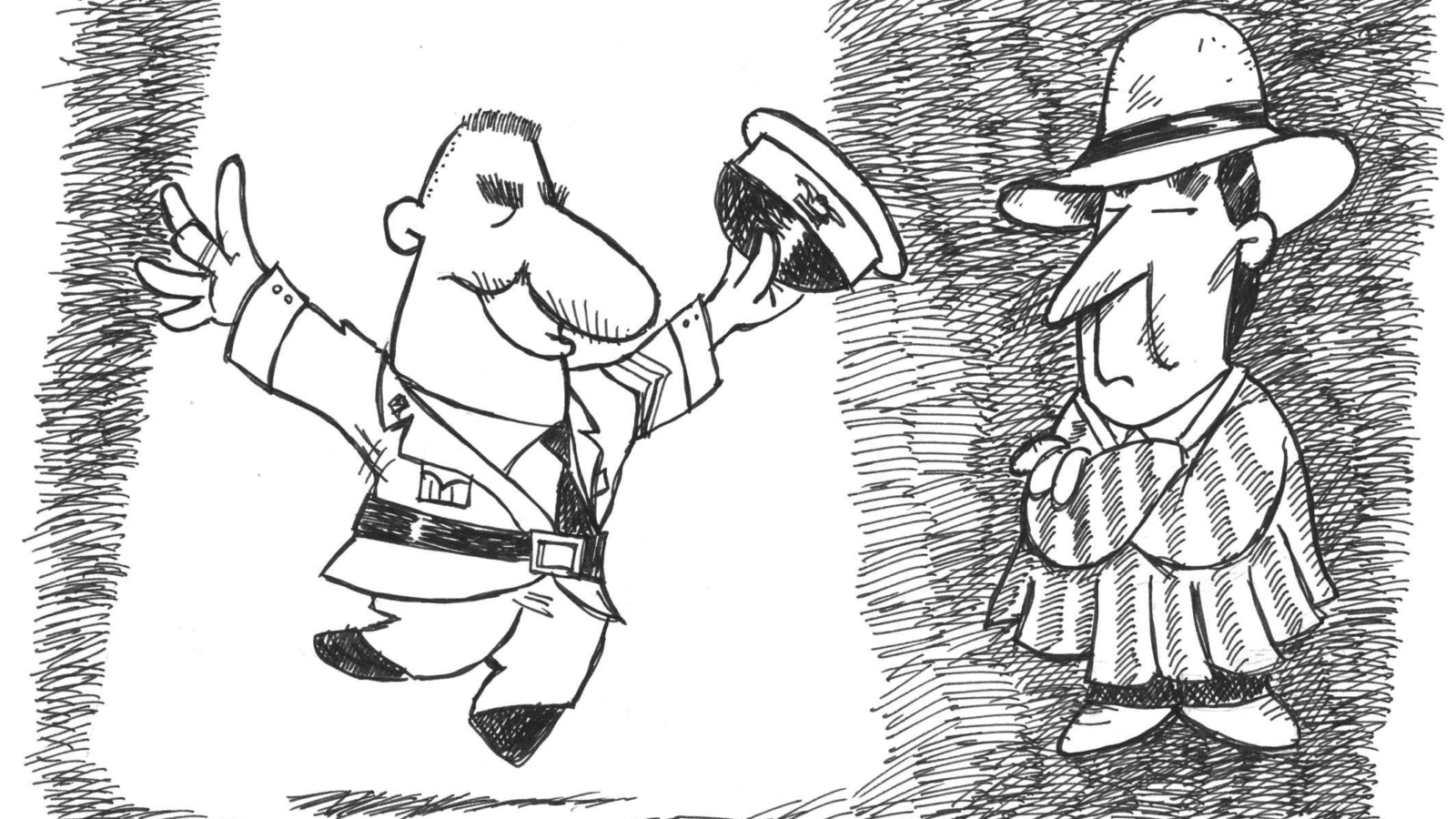
“The involvement of civil society on local level in every day practice”
Presentation to the 54th meeting of Permanent Correspondents of the Pompidou group
November 2004