Exhibition Website frenchdutchparadox.org

Travelling exhibition on French/Dutch cannabis paradox to premiere at United Nations in Vienna


VIENNA – A new travelling exhibition comparing the divergent cannabis policies of France and the Netherlands will premiere in Vienna on March 12, coinciding with the annual meeting of the UN Commission on Narcotic Drugs (CND).

The year 2026 marks a dual 50th anniversary: the birth of the Dutch tolerance policy for cannabis, which paved the way for their world-famous coffeeshops, and the publication of ‘L’Appel du 18 Joint’, a plea by a group of prominent French citizens for decriminalization of cannabis.

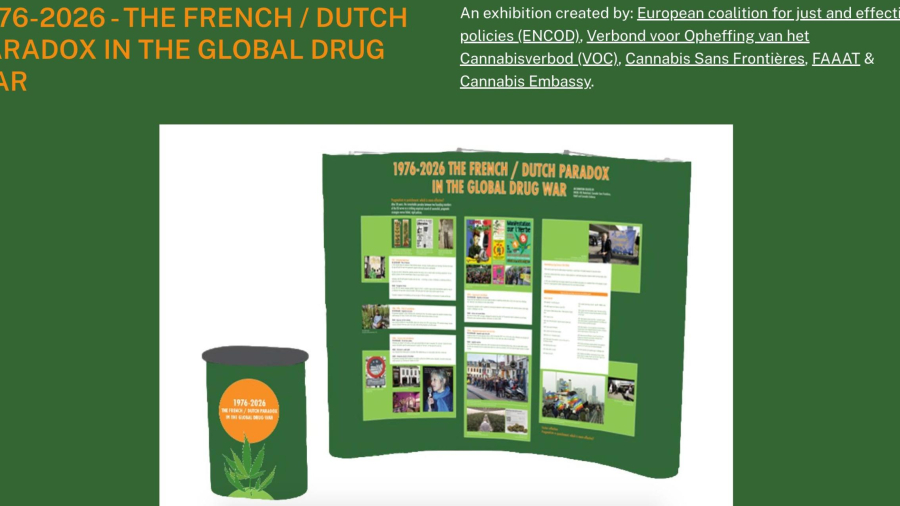
The exhibition, ‘1976-2026 – The French/Dutch Paradox in the Global Drug War’, explores half a century of cannabis policy within these two founding members of the European Union, contrasting pragmatic regulation with rigid prohibition.

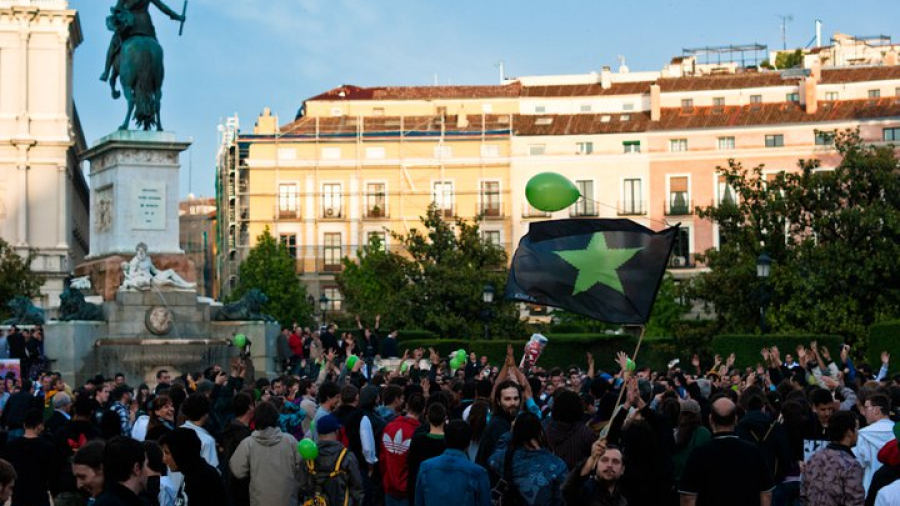
Visitors can trace the evolution of the Dutch model, up to the current experiment with regulated cannabis cultivation, supplying around 80 coffeeshops. The contrast with France is stark. The 1976 appeal has evolved into a French “420”, with demonstrations for legalization all over France on June 18. Yet the law remains strict and repression persists. Despite decades of criminalisation and mass arrests, France continues to see the highest cannabis consumption rates in Europe.

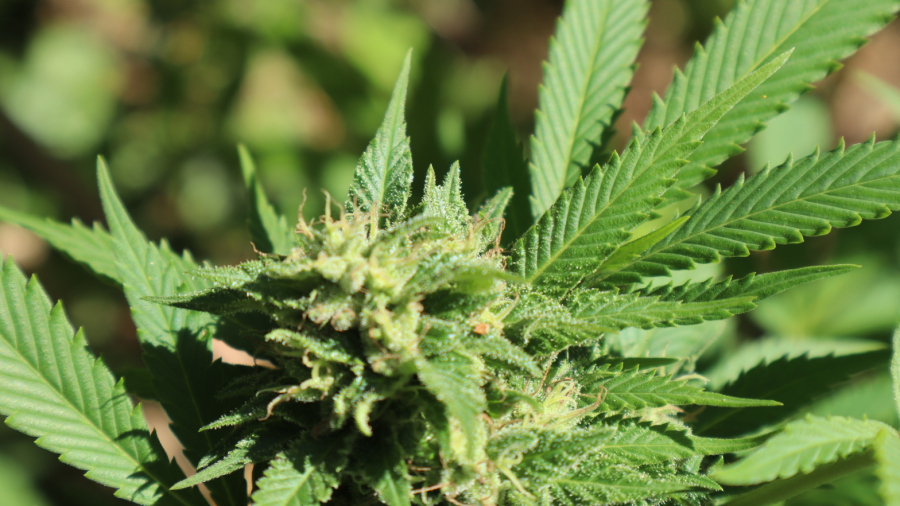
What’s on display? The heart of the exhibition is a narrative wall featuring photos, illustrations and English texts. A display case contains historical artefacts depicting Dutch and French cannabis culture. There’s a live cannabis plant in a cage and a section dedicated to the late Joep Oomen (1961-2016), drug reform activist extraordinaire and co-founder of NGOs Encod and stichting VOC.

The project is a collaboration between Encod (European coalition for just and effective policies), stichting VOC, Cannabis Sans Frontières, FAAAT and the Cannabis Embassy.

Nine cities in seven countries

Following its Vienna debut, the exhibition will travel to Bilbao, Berlin, Paris, Brussels, Prague, Amsterdam, The Hague and Eindhoven. The goal is to show it in nine cities in seven countries. Leaflets with translations of the exhibition texts in five languages are available, as well as a comprehensive 24-page guide featuring further information and imagery.

Vienna: March 12

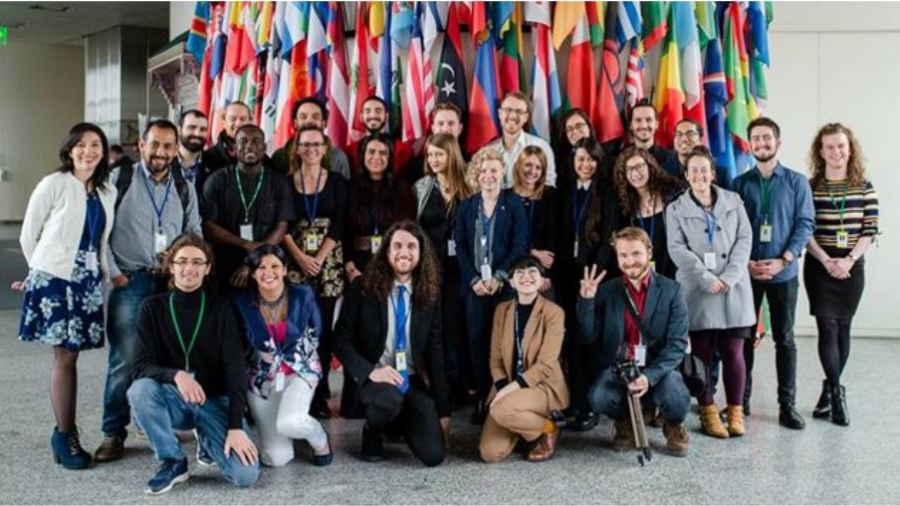
The exhibition will be stationed in front of the Vienna International Centre (VIC) on Thursday March 12. Board members from Encod and stichting VOC will be on site to talk to visitors, international delegates and journalists.


Website: www.frenchdutchparadox.org

Gaby Kozar, Encod coordinator (Vienna): gaby@encod.org Phone: +43 699 123 790 86

More information: www.voc-nederland.org


THE FRENCH / DUTCH PARADOX IN THE GLOBAL DRUG WAR 

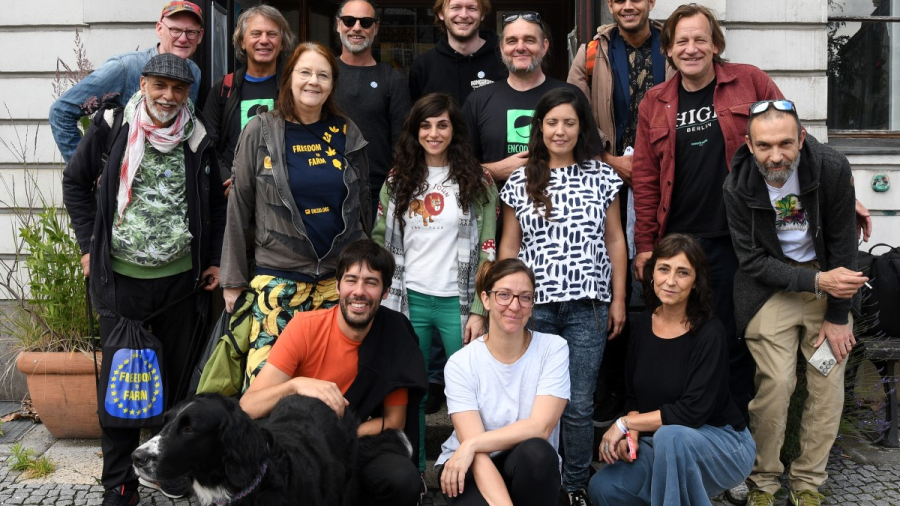
ENCOD GA Berlin 2024

ENCOD and our duty toward a new policy on drugs.

ENCOD and our duty toward a new policy on drugs. 

Since 1993, ENCOD has been advocating for drug policy reforms based on a humane, just and effective approach. In four points below we’re describing below what ENCOD is struggling for, and we hope that you’ll follow and support us to make this.

First

We’re defending the right of the people to use drugs in a responsible manner, free from stigma and discrimination. We are defending a humane approach which allows people to alter their mind and enhance their consciousness with proper substances, within the Harm reduction paradigma. So that we’re advocating for the decriminalization of all drug uses. Also, we are strongly opposing the counter drug policies that are opposing Human Rights with law enforcement measures, especially those countries using the death penalty against drug offenders (or those supposed)!

Second

We’re advocating for the people to grow (not only their rights) their own plants, because we know that the best way to tackle the market logic of making money and profit over the trade of some products, and to design the cultivation up to the needs of the people. 

The right to grow, the freedom to farm up to the needs of peoples. We’re still wondering why the international narcotic control still keeps a large part of the world population in suffering because of the lack of access to pain killers. As well as we need Cannabis or Coca for medicine, we need to reconsider Poppy for medicine to end this global inheritage of the “war on drugs, which is a war on the (poor) peoples”.

Third

We have been defining a way to manage the market within the social and solidarity economic growth, by establishing the rules and code of conduct of the Cannabis Social Clubs, a design model that can also be adapted to other drug types. We therefore are promoting the self supply of consumers, out of scope of the capitalist way to make money. This model allows the real democratic monitoring of activities respecting the will and rights of the people to manage their needs.

Fourth

ENCOD is still advocating for a global approach to illicit market, not only the substances, but all related criminal activities like the money laundering, human trafficking, and other precious ressources as wood timber, gems…etc.    

EU level

At EU level, we as ENCOD are still promoting the implementation of the Catania report adopted by EU parliament on december 14th, 2004.

At  EU level, we as ENCOD are always concerned by the claim of the respect of Human Rights, and policy based on the respect of those principles, as it was adopted recently by the Council of Europe, in December 2022.   

At EU level, even if it is a step by step (either than federal), country by country reform, we are very supportive of the Malta ongoing process, as well as we’re trying to push Germany into the right direction, and we are very enthousiast with the ongoing process in Czech Republic which is driving a very new innovative framework by defining “psycho modulatory substances” to be regulated. 

Support ENCOD

We as ENCOD are still keeping up grassroots claim for drug policy reforms, adocating from local cities to United Nations. Please support ENCOD and all our efforts for just and effective drug policies.

IMG_4433-1

Translating cannabis legalization into numbers

The economists Justus Haucap and Leon Knoke published an updated report on the economic consequences of cannabis legalization in Germany.

A summary of their findings: the country could profit almost 5 billion € by collecting taxes (sales, trade, income, social security) and from savings of the police/court/prison system.

Download the full 2021 report here (in German).
Access the report from 2018 here (in German).

Erec Hand & Topbud 2018-111

Recommendations for regulating the recreational use of cannabis in the European Union

TEMPLATE LETTER TO THE MEPs


Situational analysis
 

Every week, 90.2 million European citizens risk being sold a synthetic cannabis product
or cannabis contaminated with pesticide and other harmful substances.
Every day, criminal organisations continue to strengthen their market monopoly.
Every hour, 1% of European citizens risks being arrested by the police.


Rationale

The European Union Charter of Fundamental Rights underlines the importance of keeping the individual at the helm of every decision making and ensures that the universal principles of human dignity, freedom, equality, solidarity, democracy, security, sustainability, and rule of law are upheld for every European citizen. The four freedoms of the EU; free movement of people, goods and capital, and freedom of establishment, complement and strengthen the fundamental rights of the individual. Furthermore, adherence and full participation to the unifying and noble targets of sustainable development set by the UN Sustainable Developments Goals 2030, further enhance the critical nexus between justice, security, and well-being.

The EU Agenda and Action plan on drugs 2021-2025 [2] emphasises that:

The aim of the EU Agenda on Drugs is to protect citizens through better coordinated measures that will: (i) have a substantive and measurable impact on the security and health issues arising from drug use and the operations of the drug market; and, (ii) address both the direct and indirect consequences arising from this problem including links to violence and other forms of serious crime, related health, and societal problems, environmental damage, while raising public and policy awareness on these issues.

Furthermore, prevention and awareness, including addressing stigma are identified as key to prevent substance use and harms associated with it. The priorities also propose the introduction of wider harm reduction measures and alternatives to coercive methods.

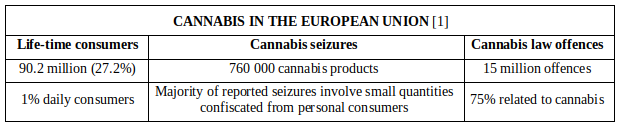
When looking at the prevalence of cannabis consumption in the European Union standing at 27.2% and cannabis law offences amounting to 75% of all European union drug law offences (majority of reported seizures involve small quantities confiscated from personal consumers), the draconian European approach is evidently causing more harm than good. The current policy frameworks adopted by national governments, predominantly criminalising and persecuting personal consumers and cultivators, continues to propagate an environment of discrimination and injustice.

Some European Union Member States have since the early 1990s recognised that the criminalisation of the personal cultivation, consumption and sharing of cannabis is not conducive to better public health and social well-being outcomes for the community. These initiatives, together with other policy changes in the years that followed, introduced various legislative measures to address the widespread consumption of cannabis and primarily separate the personal consumer and cultivator from the criminal justice system. The shift towards a decriminalised system aims to directly disrupt the monopoly of the illicit drugs market, whilst ensuring law enforcement agents direct their attention and resources towards more pressing and violent crimes such as domestic violence, human trafficking, money laundering, and homicide.

Furthermore, it may be advisable to view regulation as a process in which revisions and corrections are not seen as failures, but pave the way for efficient regulation that promotes health policy goals. To make this possible, the necessary flexibility in implementation should be planned for from the beginning. After all, an innovation such as the regulation of the cannabis market primarily involves a social, but also legislative learning process, which is accompanied by progress and setbacks. In order to be able to continuously take into account new experiences in regulation, coordination and evaluation are cornerstones of any regulation.


Recommendations for the Members of the European Parliament and the EU Member States

Considering the core European values of defending and upholding human dignity, freedom, and equality for all European citizens, included in the European Union Charter of Fundamental Rights [3], particularly Article 7; respect for private and family life, Article 8; protection of personal data, Article 12; freedom of Assembly of Association, and Article 21; Non-discrimination;

Noting the UN International Guidelines on Human Rights and Drug Policy [4] placing human dignity and sustainable development at the centre of Member State responses to illicit drug economies;

Noting the aims and priorities of the EU Agenda on Drugs (2021-2025) particularly enhanced security measures to disrupt criminal organizations, the use of alternatives to coercive methods, and broader inclusion of harm reduction tools to educate citizens and mitigate harm originating from substance use;

Recognising the potential risks associated with driving and operating heavy machinery under the influence of psychoactive substances and the need to ensure road-side testing reflects clinically determined impairment levels [5];

Considering the high prevalence of cannabis consumption in the EU standing at 27.2% of life-time consumers and 1% of daily consumers;

Considering the large proportion of cannabis law offences amount to 75% of all drug related offences and the shocking reality that the majority of reported seizures involve small quantities confiscated for personal consumption;

Considering the current inconsistency between member state’s approach to a non-violent personal choice to consume, cultivate and share cannabis, and the various legislative changes and ongoing discussions at national level to decriminalise the personal consumption and cultivation of cannabis;

  1. Calls on the European Parliament to recognise the unjust and dangerous reality of criminalising a personal and private matter of consuming, cultivating, and sharing cannabis, including its derivatives and products;
  2. Calls on the European Parliament to honour the rights and freedoms enshrined in the EU Charter of Fundamental Rights for people who consume cannabis and promote an inclusive and regulatory framework built on human dignity, respect for private life, and social justice;
  3. Urges the European Parliament to take a strong stance in favour of human rights, public health, and harm reduction for all people, including people who use cannabis, and promote effective approaches to disrupt the criminal drugs market;
  4. Invites the European Parliament to recognise the health and social benefits of allowing self-cultivation and encourages the Member States to discuss the amount of plants allowed to grow per person for personal use;
  5. Invites the European Parliament to recognise the health and social benefits of Cannabis Social Clubs (CSC) and encourages the Member States to facilitate the creation of CSC [6];
  6. Urges the European Parliament to encourage the Member States to introduce the expungement of criminal records for non-violent and non-harming cannabis convictions and ensure any administrative sanctions adopted in the case of a breach of rights are proportionate and do not impinge on the fundamental rights of European Union citizens;
  7. Encourages a more active and inclusive approach with civil society organisations directly working with people who consume cannabis, including cannabis growers’ cooperatives and experts in the field of cannabis, and promote a European-wide campaign on safe, organic, and sustainable personal cultivation practices.

______________

[1] EMCDDA. (2020). European Drug Report 2020: Trends and Developments. Publications Office of the European Union: Luxembourg.

[2] European Commission. (2020). EU Agenda And Action Plan On Drugs 2021-2025. Communication from the Commission to the European Parliament, the Council, the European Economic and Social Committee and the Committee of the Regions. Brussels, 24.7.2020, Com(2020), 606 Final.

[3] European Convention. (2012). Charter of Fundamental Rights of the European Union (CFR). Official Journal of the European Union, 26.10.2012, C 326/391.

[4] United Nations. (2019). International Guidelines on Human Rights and Drug Policy.

[5]    Source: Dr. Fabian Pitter Steinmetz

[6] ENCOD. (2020). The Cannabis Social Club Guidelines.

 

cannareporter

“Cannabis was buried by a century of ignorance and prejudice” – Interview with Enrico Fletzer

CannaReporter spoke with Enrico Fletzer, President of the Executive Committee of the European Coalition for Fair and Effective Drug Policies (ENCOD), in order to understand the implications of voting at the 63rd session of the Commission on Narcotic Drugs (CND), which removed cannabis from the Annex IV in the 1961 Convention.

Please read the interview on the link below (available in Portugues, Spanish, and English language):

Enrico Fletzer: “A canábis foi enterrada por um século de ignorância e preconceito”


5-1

Human Rights and Public Health shape a new agenda on drugs

Dear members and friends,

we are glad to publish the report Civil Society and Drug Policy 2020: An overview of European Drug Policy Reform and the Role of Civil Society. The report points out the need to overcome drug use criminalization in those European countries where actions related to personal use continue being criminal offences. It emphasises the urgency of cannabis regulation in some countries. Additionally, it describes the European PWUD movement, its claims and protest tools.

Starting today, the Commission on Narcotic Drugs (CND) is having the Reconvened 63rd session where countries are expected to vote on cannabis rescheduling, besides that the European Union is carrying out the definition of the new Drug Agenda 2021 – 2025, which the European Council and Parliament will debate in the coming weeks. This report tries to convey the vision of Civil Society to public decision-makers to generate a drug policy that protects the rights of individuals and Public Health.

We want to thank all the contributions and support from Civil Society stakeholders to make it possible.

Download the report here.


inpud and drug reporter

TAKING BACK WHAT’S OURS! An Oral History of the Movement of People who Use Drugs – Documentary Series by INPUD and Drugreporter

Dear members,

we invite you to watch the documentary series “Taking back what’s ours!” made by INPUD and Drugreporter:


The Rights Reporter Foundation (Drugreporter) and the International Network of People who use Drugs (INPUD) produced a new documentary film series titled “TAKING BACK WHAT’S OURS! An Oral History of the Movement of People who Use Drugs” that aims to document how the movement of people who use drugs have formed around the world, how they maintain momentum and mobilise, and how they undertake their work and show resilience in a context of criminalisation, marginalisation and oppression.

The episodes follow the timeline of the development of the movement of people who use drugs from Amsterdam to Afghanistan and globally. The production of the series has been a great adventure. We conducted 34 video interviews in 20 countries around the world. 8 interviews were filmed by the Rights Reporter Foundation, the rest by members of the Drugreporter Video Advocacy Network, video activists, and freelance videographers worldwide. The documentary series was also part of the online conference “HIV 2020: Community Reclaiming the Global Response” which ran from July through October of 2020.

You can watch or download each of the episodes by clicking here, or by clicking on the images below:

Episode 1. The Netherlands, Belgium and France – The first episode uncovers the history of the movement in the Netherlands, and how it inspired activists in Belgium and France. The episode features Theo van Dam, Tonny van Montfoort and Miguel Velazquez Gorsse.
Episode 2. Canada – The second chapter is about Canada, featuring Ann Livingston, Zoë Dodd and the Vancouver Area Network of Drug Users (VANDU) team.
Episode 3. Germany, Denmark and Norway – This episode is about the achievement of drug user groups in Germany, Denmark, and Norway, featuring Dirk Schäffer, Jørgen Kjær and Arild Knutsen.
Episode 4. South Africa – This time we discover the vibrant user movement in South Africa, featuring Angela McBrideNelson Medeiros, and Shaun Shelly of SANPUD.
Episode 5. United States of America – Activists from the United States look back on the history of the movement of people who use drugs in the fifth episode, featuring Louise Vincent, Hollis, Robert Suarez and many more.
Episode 6. Australia and New Zealand – In this episode of the oral history of the movement of people who use drugs, we learn about the successes and challenges in Australia, from four veterans of the user movement, Jude Byrne, Annie Madden, Geoff Ward and Charles Henderson.
Episode 7. Asia – Despite criminalisation, torturous forced labour camps, capital punishment and state sanctioned murder of people who use drugs, the movement of people who use drugs in Asia remains strong and resilient. Watch the new episode of our series telling the oral history of the movement of people who use drugs in Asian countries, with Simon Beddoe, Bikas Gurung, Anand Chabungbam and Edo Agustian. 
Episode 8. Afghanistan, Tanzania and Mexico – In this episode of the oral history of the movement of people who use drugs, we introduce three countries with new and emerging user movements, featuring Happy AssanAbdur Raheem Rejaey and Brun González.
Episode 9. Russia, Georgia and Ukraine – In this episode of the oral history of the movement of people who use drugs, we travel to three Eastern-European countries, where activists effectively fight very restrictive drug policies. The episodes feature Anya SarangSasha Volgina, Olga Byelyayeva, Anton Basenko, Paata Sabelashvili, David Subiliani and Koka Labartkava.
Episode 10. The United Kingdom and the International Network of People who Use Drugs – In the final episode of our documentary series on the history of the rights movement of people who use drugs, we introduce activists from the UK and from the International Network of People Who Use Drugs, featuring Judy ChangAndria Efthimiou-Mordaunt and Mat Southwell


f34e6b8e05d5e09c842f44006c3cd09ba30ed1f8f04b298d526bb9d0b0990ae5

Political irresponsibility locks up innocent people in jail

Six members of La MACA Barcelona were sentenced to a total of 31 years of prison for an offence against Public Health and illicit association. The sustainable, transparent and healthy option that the Cannabis Social Clubs (CSC) represent is being suppressed by the Spanish State.

An appeal will be made to the Supreme Court to demonstrate the injustice of sentencing an association that was involved in the process of regulation of CSC in Catalonia and on the national level. This sentence is a political sentence. La MACA stands for freedom of assembly and is a democratic association acting inside of the personal consumption construct.

We are seeds, plant the change!

Free La MACA Barcelona!

Political irresponsibility locks up innocent people in jail

The absolute hypocrisy of the Spanish State in drug policy is flagrant and counterproductive. Once again they have turned their backs to the associative model of cannabis use that has been demanding regulation for the benefit of public health and the human rights of. Public administrations and political representatives demonstrate great human irresponsibility by imprisoning us for our convictions. A serious attack on human rights experience in La MACA in the first person. 

La MACA was one of the first Cannabis Social Clubs established in Catalonia and was a pioneer in offering therapeutic support services led by Dr Joan Parés. La MACA is an association committed to social improvement It is made up of responsible members active in a political struggle to defend the rights of cannabis users. La MACA is part of CatFAC, ConFAC, REMA and ENCOD, and therefore is part of the Barcelona Associations Council, the Barcelona Youth Council, the Neighborhood Council, the Drug Dependency Working Group of the Barcelona City Council and the Vienna NGO Committee, among other entities. It is an association that is dedicated to improving the conditions of the people who live in their neighbourhood, who care about the environment, who actively participate in the surrounding community. In short, the association has worked tirelessly for citizen coexistence.

La MACA is made up of people like you, men, women, fathers, mothers, workers, students, unemployed, retired … activists who want to make their voices heard to give prominence to cannabis users. For a society that unites to create changes and give alternatives to the iron fist that continues to drown us with hypocrisies and control systems based on ideological postulates and not on scientific evidence. 

Today, we must denounce more than ever a serious attack on our rights. The 6 activists of La MACA have been sentenced to a total of 31 years of jail and very high fines for working for the benefit of all. For actively fighting against drug trafficking, mafias and providing health and safety of the chosen lifestyle. 

We are not criminals.

The sentence violates all our rights to a fair trial and is clearly unproportional and anachronistic. It does not take into account our work as an association, nor the witnesses presented, nor the defence. Justice is not fair if it is not legitimate and legitimacy is lost, if it does not contemplate the particularities of the specific case and the social context.

The hit has been very hard. But it won’t stop us. We will appeal to the Supreme Court. And we demand that policy-makers carry out the necessary regulation in Spain and give a political response to a social reality that allows dejudicialising and should be a challenge for the whole society. 

Many autonomous communities and city councils have already wanted to take a step forward to solve this situation that has such high costs, both for the administration and for us, ruining our lives. But this is the responsibility of the State, therefore, we demand that it fulfils it. Stop the illicit market and recognize our rights. Public health is also our health. 

We thank all those entities, people and companies that have supported us. In particular, we want to thank the members, who with their courage, loyalty and commitment, have carried out this project, without them none of this would have been possible. Today we need you more than ever. They want to stop us and maintain a criminal and prohibitionist system that has already been recognized as obsolete at the international level. 

“They can cut all the flowers – of cannabis – but they can’t stop the spring”, we are convinced of that. But right now we need you more than ever to continue the struggle.

The future is regulation, but we cannot achieve it without partners who help us. 

Everybody with La MACA

Everybody with the Freedom. 

Read in Spanish or Italian.
Screenshot at 2020-01-23 17-48-54

Drug policy reform at the United Nations: A Youth Advocacy Handbook

Civil society engagement at the UN Commission on Narcotic Drugs (CND) and related meetings has improved dramatically over the past decade – in terms of the numbers attending, the opportunities to interact and participate, and the levels of experience and professionalism of non-governmental organizations (NGOs) themselves. These changes are very important given that  the contribution of NGOs and civil society organisations make policy making more responsive to the needs of society. Moreover, youth involvement specifically makes the voice of those who are normally excluded from policy making but are disproportionally affected by the results heard. In their efforts to promote an inclusive and evidence based debate, SSDPers have been organizing side events and have even been elected on the board of the Vienna NGO Committee on Drugs (VNGOC) which advocates for and oversees civil society involvement in CND proceedings. In order to encourage these dynamics, this Advocacy Handbook gives an overview of the main UN institutions involved with the making of global drug policy, as well as about the ins and outs of youth advocacy at the CND. We hope that such an overview will help you to make valuable contribution to the work of the CND and advocate for an evidence based drug policy embedded in the protection of human rights.

Please access the handbook here.

abuela

Fernanda, the grandmother of marijuana

A step away from jail at 76: “I am not a drug dealer”

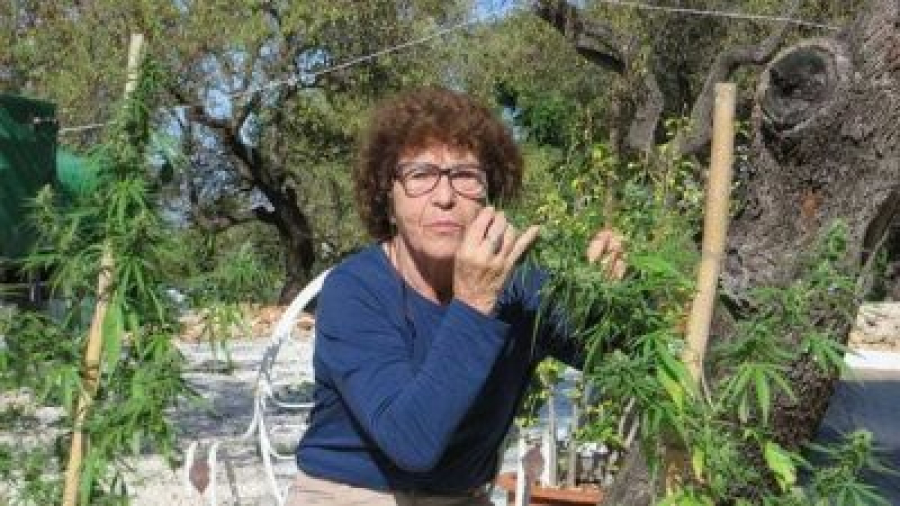
76 years old Fernanda was the first legal cultivator in Spain. Now she will be judged for an alleged excess production.

She is 76 years old and is judged for 4 years in jail. The reason? Marijuana plants in her garden. Her name is Fernanda De la Figuera and she is one of the most relevant cannabis figures in Spain. The marijuana grandmother is a familiar and respected face within the national cannabis scene. She has been planting in her garden for 50 years. Now, for that reason, she faces 4 years in prison.

Fernanda, born in Madrid but resident in Malaga for more than 40 years, got to know cannabis in the 60s. Since then she has become one of the greatest hemp activists in her country. Her fight achieved milestones in the mid-90s, when she became the first legal cultivator in Spain. She also participated in the creation of the first cannabis clubs in Spain, based in Barcelona. She has never trafficked. The purposes of her cultivation is essentially medicinal. Now she is accused of overproduction and that can lead her to jail.

“No, no. If I wanted to make money with marijuana, I would have become a drug dealer. I am not a narcotrafficker. It is not the case and everyone knows it. I do not traffic. I plant marijuana for medical reasons; because thanks to her I can live in decent conditions. I was diagnosed as a child with a series of health problems, such as osteoarthritis, rheumatism … I fell and broke my tailbone. If it weren’t for marijuana I would be in a wheelchair. I don’t just say that, doctors have diagnosed me“, she says in a conversation with EL ESPAÑOL.

Tomatoes, corn, marijuana …

In 1995 she was allowed to legally cultivate marijuana plants for medicinal purposes after a precedential sentence in Spain. “I had an excellent lawyer and got the right to plant in my garden. I had a row of tomatoes, another of marijuana, another of corn… ” She was basically growing her medicine. “And that of my daughter, for example, who has not smoked in her life and suffered severe menstrual pain. She gave her a scrub with cannabis oils and calmed all the pain”, she says.

If you have been allowed to legally cultivate, where is the problem? In quantity. Fernanda opened cannabis associations with a strong feminist component. She called them “Mary x Mary.” “I have been a feminist when the movement in Spain was not yet important. I was a single mother and advocated for responsible motherhood without getting married,” she recalls. With her associations, she sought to bring women closer to cannabis culture in a responsible way and with information. “But in the associations there are also men, I get along very well with them, I want them working and fighting by my side,” she summarizes.

In these associations, all affiliates collaborated to have one plant per member. The fame of the figure of ‘the cannabis grandmother’ and the philosophy of her clubs made the number of members increase. “At the beginning we were 25, so we cultivated 25 plants. In the end we were more than 100, I can’t tell you if we were 120, 150 or 180. Well, one for each one, which is fair,” says Fernanda, who adds that “sometimes the calculations don’t add up. Some plants do not mature, others do not get yield … You end up balancing so that everyone has at least some cannabis. You tell me, if that is trafficking.”

Trial Suspended

The alleged crime is in the increase of production. The increase of members has led to a logical increase in production, and this is why they have denounced it. They have tried to obstruct Fernanda’s growing on all sides. Legally and illegally. From security forces to thieves. And in the end, although she became the first legal cannabis grower in Spain, she will be seen again in court for this matter. She is accused of an excess of production. Spanish legislation has a great legal vacuum in the field of cannabis production and now they accuse her of producing more than she should. In total, she faces 4 years in prison.

The trial should have been held on Thursday, April 25 at the Provincial Court of Malaga, but it has been suspended. “They have postponed it until October for a matter of missing documents. Bureaucratic issues.” Thus, its uncertainty continues until after summer. However, Fernanda maintains a positive attitude about it: “Let’s not be pessimistic. We’re going to wait. If in the end there is a conviction, then there are other courts above to appeal,” says Fernanda.

The century of cannabis medicine

“This is going to be the century of cannabis medicine and they know it in countries like Israel, where it is being given to older people who find an absolute improvement with marijuana treatments. It doesn’t have to be smoked, there are oils, tinctures, edible formats…”

As a person with more than 50 years of experience as a consumer says, “and it has done me only good. I was born in a very conservative family, very male chauvinist, military. But it was precisely the contact with the legion’s military, those who came to Malaga with the kifi (the name of marijuana pollen in Morocco) that put me in contact with cannabis. My parents, in the end, who lived in Larache (Morocco) and never smoked, finally understood why I consumed,” she recalls. She has spent her entire life consuming to improve her health. And not even the threat of jail will change her philosophy: “I am not a drug dealer. I have never sold. I only grow to be healthy. Cannabis has been with me all my life, but I wish I had known it before. ”

translated by ENCOD

Original source: https://www.elespanol.com/reportajes/20190426/fernanda-abuela-marihuana-paso-carcel-no-narcotraficante/393961657_0.html