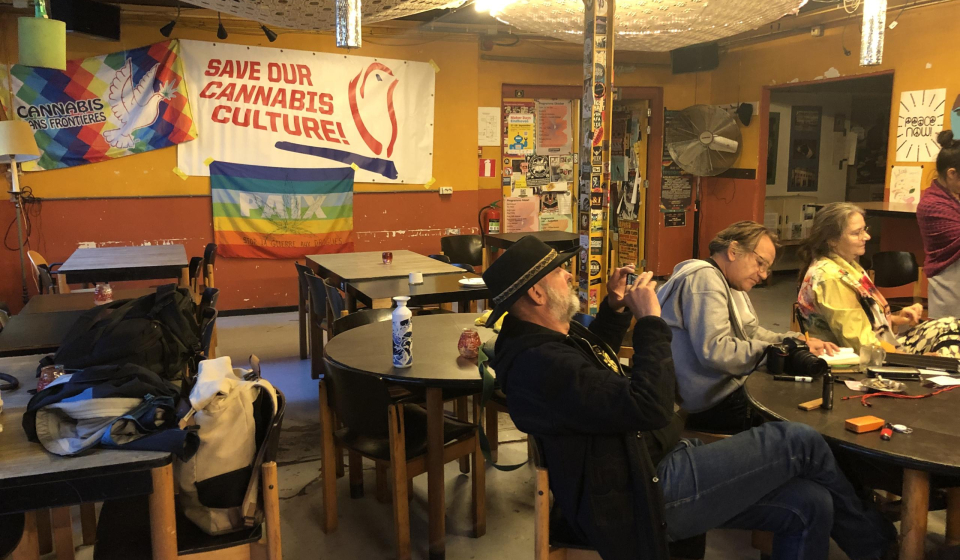
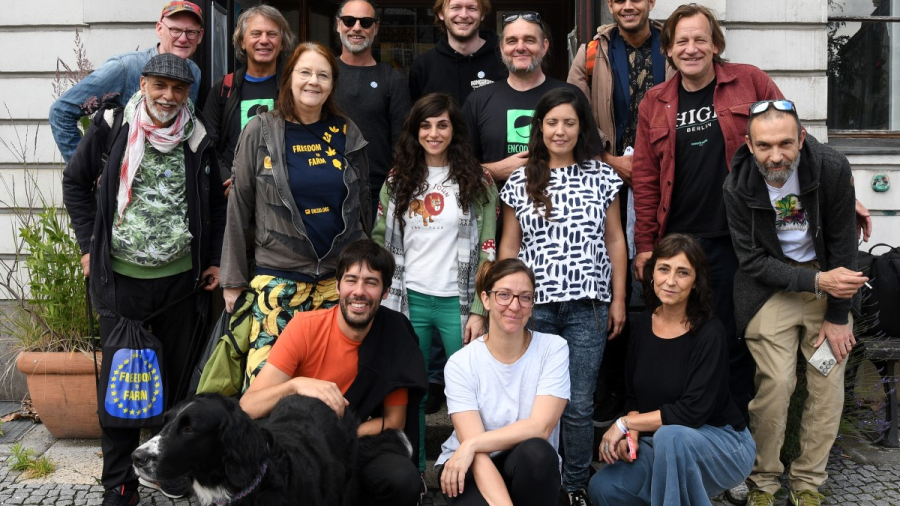
ENCOD GA Berlin 2024

ENCOD General Assembly, 10-12th october, in Eindhoven.

Dear Members,

On behalf of the ENCOD Executive Committee, it is our pleasure to formally invite you to the upcoming ENCOD General Assembly, which will be held from 10th to 12th October 2025 in Eindhoven, the Netherlands.

The General Assembly is our most important yearly gathering, offering an opportunity to review the past year’s activities, exchange perspectives and experiences, and define strategies and priorities for the future of our network. Your presence and contributions will be invaluable to ensuring that ENCOD continues to grow and represent the collective interests of its members across Europe.

Practical Information:

  • ●  Location: Hertogstraat 2-N, 5611 PB Eindhoven, the Netherlands (link)
  • ●  Dates: 10–12 October 2025Further details, including the program and logistical arrangements, will be shared in due course. We kindly ask you to confirm your participation no later than 25 September 2025 to office@encod.org.

    For members unable to attend in person, participation will also be possible online. A connection link will be shared with all registered participants in the coming weeks. We ask you to create a short video, no longer than 10 minutes, in which you present your country report.

    Please note that in accordance with ENCOD’s statutes, delegation of votes is permitted; however, each participant may carry a maximum of one delegated vote in addition to their own.

    We look forward to welcoming you to Eindhoven for what promises to be a productive and inspiring assembly.

    Warm regards,
    ENCOD Executive committee Farid, Ana, Gaby

Invitation

AGENDA Annual General Assembly

Inner Circle Positions


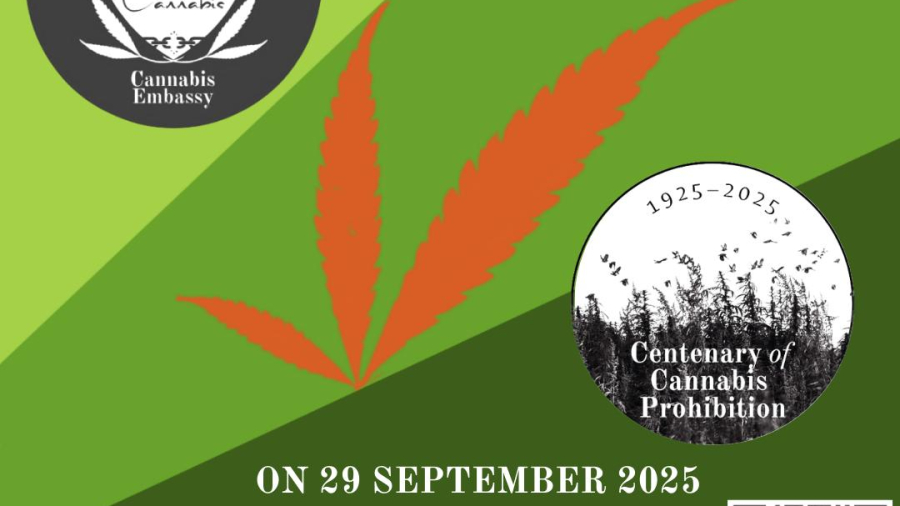
29_September_2025,_it_will_be_exactly_100_years_after_Cannabis_was

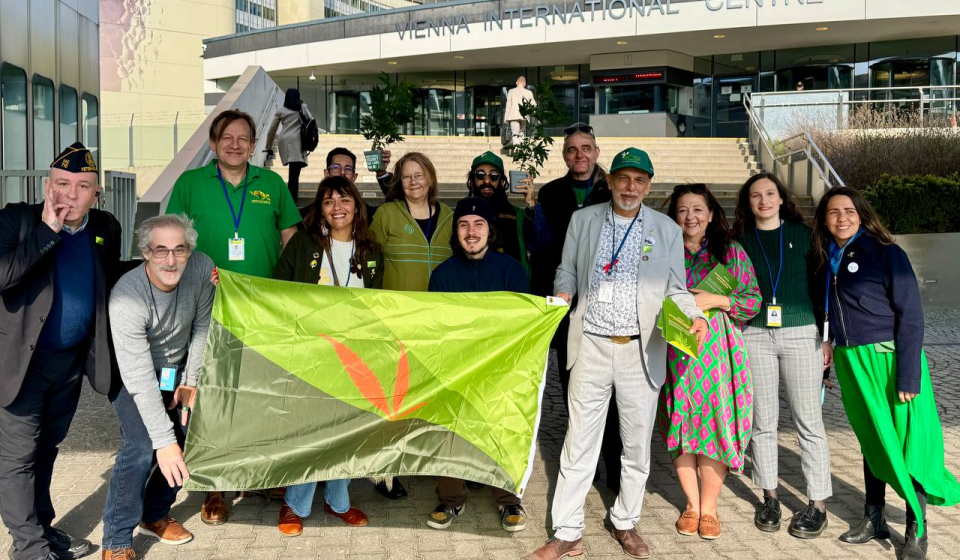
At its 23rd meeting the Government of the Cannabis Embassy released its official flag for Legatio Cannabis – 大麻大使馆 – سفارة القنب.

At its 23rd meeting on 27 August 2025, the Government of the Cannabis Embassy adopted the official flag

The shades of green represent the sociocultural and biological diversity that characterises Cannabis sativa L. (a plant known under many synonyms: hemp, marijuana, pot, weed, also known as pakalolo, भांग, dagga, গাঁজা, konopi, 麻, ntsangu, коноплі, haschisch, riamba, قنب, siddhi, kif, cáñamo, mambe, 大麻, chanvre, maconha, 대마초, mota, κάνναβη, hamppu).

Orange is the colour of international Cannabis


prohibition. In 1925, the first placement under international control happened in the “Orange Room” of the League of Nations’ headquarters. Today, diplomats at the United Nations’ Commission on Narcotic Drugs meets annually in an orange building to reaffirm their 1925 commitments to combat a plant that accompanied humankind for millennia. In the country that epitomises the “war on drugs” with a special focus against Cannabis, hundreds of thousands of people have been jailed, in orange, for interacting with this millennial plant.

Flag of the Cannabis Embassy | Drapeau de l'Ambassade du Cannabis | Bandera de la Embajada de la Cannabis

Flag of the Cannabis Embassy

Like a plague, the orange of prohibition may taint some leaves. But leaves are destined to fall, seasons turn, and the eternal green diversity —both human and botanical— eventually covers the strains of prohibition, a temporary and failed global social experiment.

Baldomero Caceres Santa Maria 1932-2025

ENCOD deeply regret the passing of Pr. Baldomero Cáceres Santa María (1932–2025)

ENCOD deeply regret the passing of Pr. Baldomero Cáceres Santa María

We, as ENCOD, as well as the Regional Board of Directors I Lima and Callao of the College of Psychologists of Peru, deeply regret the passing of Pr. Baldomero Cáceres Santa María (1932–2025), a distinguished psychologist recognized for his outstanding academic career, his research on the coca leaf, and his defense of Andean knowledge.

He was one of the panelist of the “Just Coca 2022” (read presentation below), and delivered the keynote speech at Just Coca Workshop 1 #medicine: Coca leaf in medicine: lege artis on safety & therapeutics for physical & mental health.

He was recognised in Peru and abroad for his academic activism for the decriminalisation of marijuana (Cannabis sativa) and coca leaf (Erythroxylum coca), promoting their medicinal uses, among others.

He leaves behind an invaluable legacy as an educator and researcher.

We express our condolences to his family, colleagues, and friends.


 Just Coca 2022: Health | Science | People.  Workshops in the Series “People and Psychoactive Plants” from the Centre for Biocultural Diversity: Coca leaf and coca products: uses, safety, medical applications, and regulatory challenges. 18–19 May 2022. https://justcoca.org/
✅ Free event | Interpretation English-Spanish | Organized by: ENCOD, FAAAT, Fairtrade Cocaine Foundation, and Center for Biocultural Diversity (Universidad de Kent). Sponsors: Coca Leaf Café, KFN+ Law Office, ICEERS Foundation.
Workshop 1 #medicine Coca leaf in medicine: lege artis on safety & therapeutics for physical & mental health.
Workshop 2 #nutrition Coca leaf and industrial products: lege artis aspects of nutrition, wellbeing, safety, innovation and process engineering.
Workshop 3 #nature Sustainable coca cultivation & production in fragile environments: an engine for development, not a threat.
Workshop 4 #policy From the Andeans to the Alps: the changing landscapes of coca leaf laws.
➡️ Info & registration: https://justcoca.org
–––


ENG: Baldomero Cáceres Santa María is a Peruvian social psychologist, researcher, university professor and writer. He is recognised in Peru for his academic activism for the decriminalisation of marijuana (Cannabis sativa) and coca leaf (Erythroxylum coca), promoting their medicinal uses, among others. He delivered the keynote speech at Just Coca Workshop 1 #medicine: Coca leaf in medicine: lege artis on safety & therapeutics for physical & mental health.


ESP: Baldomero Cáceres Santa María es un psicólogo social, investigador, docente universitario y escritor peruano.​ Es reconocido en Perú por su activismo académico por la despenalización de la marihuana (Cannabis sativa) y la hoja de coca (Erythroxylum coca),​ promoviendo sus usos medicinales, entre otros. Hizo la charla magistral en el Solo Coca Taller 1 #medicina: La hoja de coca en medicina: lege artis sobre seguridad y terapia para la salud física y mental. Just Coca webinar: https://justcoca.org/


More info :

https://www.facebook.com/100087096976195/posts/713122124934347/?rdid=s1lYXcGgs8e12J21#

https://es.wikipedia.org/wiki/Baldomero_C%C3%A1ceres

photo_5918271257089002116_y

From Protest to Practice: Klub Karl and the Quiet Maturation of Germany’s Cannabis Clubs

Report from Chemnitz

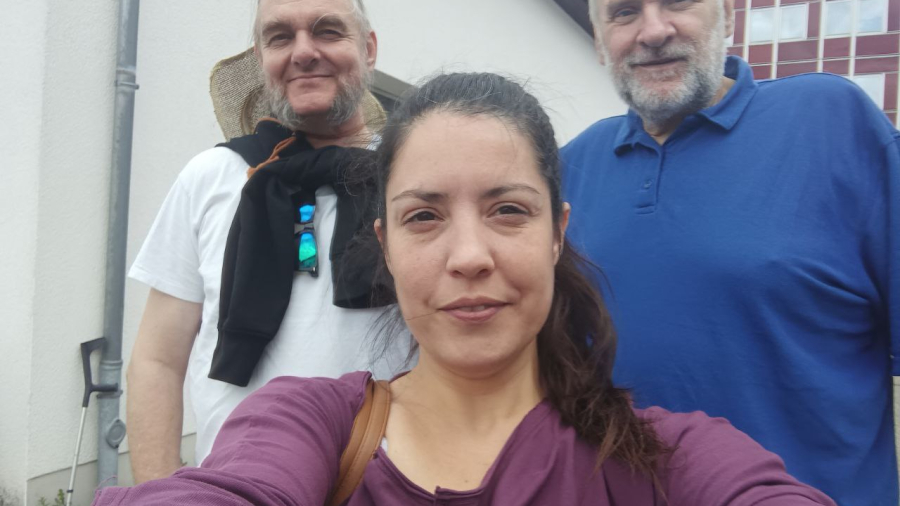
Just a short walk from the imposing Karl Marx monument in Chemnitz —a 7-meter-high bronze head—sits a smaller sign of social change: Founded in 2022, Klub Karl is one of Germany’s first Cannabis Social Clubs (CSCs), but it can not grow a single plant yet, due to administration process. What the club does grow is trust, infrastructure, and preparation. And that’s not to underrate.

Roots That Go Back Decades

Despite its recent founding, Klub Karl didn’t appear out of nowhere. The core members are not newcomers to cannabis. Many have been involved in cultivation, advocacy, and harm reduction work since the 1990s, often at the edges of legality, sometimes in open defiance of it.

Gerfried Düregger is the president and co-founder of Klub Karl, a Cannabis Social Club in Chemnitz. A former wholesale merchant, he turned to medical cannabis in 2011 as part of his treatment for a chronic illness—a therapy that, in his words, gave him his life back. This experience led him to co-found the Austrian patient advocacy group ARGE CANNA in 2014 and to become a committed educator and advisor on medical cannabis. Since 2022, he and Jacqueline Meurer have worked to establish Klub Karl as a model of responsible, community-based cultivation under Germany’s new cannabis legislation. Düregger also represented the club at the founding of the German Cannabis Social Club Association (CSCD) and continues to advocate for patient rights and evidence-based drug policy at the European level.

After decades of prohibition it is the first time that the state of Germany says yes, you can. But only if you do it right. Doing it right, in this context, means navigating a complex new legal framework introduced by Germany’s cannabis law in 2024, following the rules of the KCanG. The law allows for cannabis to be grown and shared through nonprofit clubs—up to 500 adult members each—starting from July 2025. In practice, that means a lot of paperwork, planning, money, and patience.

Not Just Waiting—Preparing

Currently, Klub Karl is awaiting its official cultivation license from the Saxony state authorities—a process that, in their case, has moved relatively quickly thanks to a good working relationship with local regulators. As a final step once the license is granted, the club will have three months to appoint an official prevention officer, as required by law. 

Everything else is ready. The cultivation facility is located in an industrial area well-suited for such operations, and is fully prepared for indoor cannabis production. The site features secure infrastructure, including a fenced perimeter, motion sensors, and 24/7 video surveillance. Klub Karl plans to operate under the license framework for at least seven years, with a long-term commitment for quality and compliance. It places heavy emphasis on education and internal standards.

Bureaucracy as a Test of Patience

Since the law passed, clubs across Germany have been waiting for clear application procedures. Some waited a long time. In Chemnitz, the official window to apply opens July 1, 2025. Klub Karl already has their paperwork drafted—dozens of pages outlining how they’ll secure their grow site, track every gram of product, and educate their members.

The bureaucratic process—and the financial burden of maintaining a fully equipped facility while waiting for the cultivation license—pose significant challenges. Keeping a secured, operational site ready for cannabis production without generating any revenue requires not only careful planning but also substantial financial backing. Without solid capital behind them, many associations may struggle to reach the final stage. The law may be in effect, but the high entry costs and lengthy waiting periods mean that not everyone will have the capabilities to grow legally.


A Different Vision of Cannabis

Unlike the commercial cannabis models emerging in other countries, Klub Karl has no interest in branding or marketing. It is structured as a nonprofit association, with a strong emphasis on collective responsibility and democratic participation. Every member has a voice in how the club operates, and every euro collected is reinvested directly into cultivation, education, and compliance. The focus here is not on lifestyle or trend, but on access, quality, harm reduction, and accountability. This approach reflects a deeper philosophy: that cannabis, when removed from the profit motive, can be integrated into society in a safer and more constructive way.

As of mid-2025, Klub Karl remains in a waiting phase. The official license application approval could be received in July, but there is no guarantee how quickly it will be. It could take weeks or even months. For the people behind the club, this waiting period is not unfamiliar. Many of them have spent decades—some since the 1990s—engaged in activism, informal cultivation, or advocacy under the shadow of prohibition. Compared to that long history, a few more months is tolerable. In the meantime, they continue refining internal processes, supporting the formation of new clubs across Germany, and building a foundation for long-term sustainability.

There is no rush, no marketing campaign, no grand announcement. Under the silent gaze of Karl Marx’s monumental bronze head, the people of Klub Karl are not promising a cannabis revolution. What they are building is slower but potentially more enduring: a legal, local, and community-driven model for cannabis distribution in Germany. It is cautious by design, rooted in decades of lived experience, and motivated by something rarer than hype—responsibility.


Meloni_Mussolini

Italy : Hemp for victory !

Hemp for Victory!
By Enrico Fletzer

At the eve of the national demonstration against the Security Laws on Saturday 31st of May scheduled at 2 PM in Piazza Vittorio, Rome

Cannabis seems to be the obsession of Mr. Alfredo Mantovano, a right wing politician who in the recent past inspired the so-called Law Fini-Giovanardi that had equaled heroin with cannabis, and which introduced penalties up to 20 years of prison terms for possessing, dealing and even the non-profit sharing of illegal substances. We all saw his modest speech at the CND plenary this year in his mixed array of moralistic views about the corrupted mores of the global youth at the base of the drug scourge.
Not following even today the Einstein motto on the insanity consisting on repeating failed attempts, even then the illegal law in 2007 was passed as a mandatory “urgent measure” to ensure the budget of the Winter Olympics was finally cancelled on the 2014 by the Constitutional Court in a verdict that did not consider its contents but rather the obnoxious procedures adopted to pass the decree as an emergency measure, a decision taken with no discussion in the Parliament and not consistent with the Italian Constitution. Just like it is happening in these hours in Rome on the so called Security Law being passed with no discussion and with some amounts of beatings in the streets of Rome.

In a growing spiraling of penal populism Giorgia Meloni claims to have re- established the prevalent value of the private property in a extremely dramatic situation with overfilled prisons with 20.515 inmates, being the 34,1% subject of a single law, the Art 73 on drugs with 17.406 prisoners , 28,9% who are labelled as being drug dependent. Decimalization , amnesties and legal regulation are considered yet as a practicable solution also in parts of the opposition.

The continuing moral stigma, according the above mentioned former subsecretary on Justice lead from 1990 to a mass persecution of the Italian Youth, with 1.400.000 persons labelled as drug addicts and with more than a million subjected to heavy administrative penalties like the loss of the driving license and passport for the mere possession.

The actual Decree on Security, nicknamed as the Scare Decree shows many unconstitutional aspects and in the case of cannabis is also clearly clashing with the EU regulations on the free exchange of goods throughout the Union. But as a matter of fact, the Italian and European Courts stopping this scoundrel will be always a bit late to correct the records and accordingly the impact on the penal and social system will be huge. All acts of civil nonviolent protest will be practically made impossible. The planned national conference on drugs planned on the 7/8 November 2025 in Rome will be possibly another step of the authoritarian regime to introduce further pain and distress to the Italian lower classes and social activists. An alternative conference is also planned.

In the meanwhile trains, buses and private cars are organizing possibly the biggest protest against the present government. Also a big and unexpected comeback of the activists of the Million Marijuana March in Rome that in the past organized the biggest Cannabis Parade of the world but which had been long quite silent. With 8 loaded trucks of 20 meters length and quite a different musical and political potential the impact of the march will be one of the highlights of the oncoming struggle for freedom in Italy. Hemp for victory!

For further references
www.globalproject.info
www.millionmarijuanamarch.info

Register in encod.org (3)

Be Part of the Green Shift: Professional Training for Germany’s Cannabis Clubs

Germany’s cannabis sector is entering a new era. With the regulation of Cannabis Clubs underway, the time has come to educate and professionalize those who will lead this transformation.

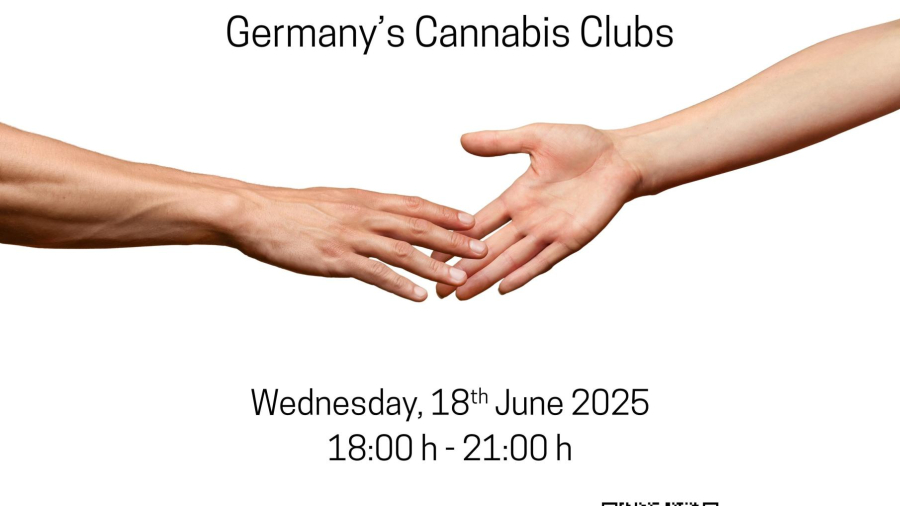
Join us on Wednesday, June 18, 2025, in Berlin for
“Be Part of the Green Shift: Professional Training for Germany’s Cannabis Clubs”—a unique event that brings together international experts, regulators, and key stakeholders to provide the tools, knowledge, and strategies needed to build a safe and sustainable cannabis community.

Who Should Attend?

  • Cannabis clubs (existing or forming)
  • Cultivators and distributors
  • Legal and healthcare professionals
  • Researchers and academics
  • Regulators and policy makers

What Will You Learn?

Over three intensive hours, three internationally renowned experts—each with over 20 years of experience in Spain’s cannabis club model—will lead a practical and high-impact training focused on club management, legal compliance, quality control, harm reduction and prevention strategies.


Why You Shouldn’t Miss This

✔️ Exclusive, experience-based training from European leaders
✔️ Tailored content for the German regulatory context
✔️ Direct networking with key industry players
✔️ Completely free access thanks to European funds and event sponsors (estimated value: €320)

Event Details

    Date: Wednesday, June 18, 2025
Time: 6:00 PM – 9:00 PM
Location: Bergmannkiez, Kreuzberg, Berlin, Germany (exact venue TBA via email)
  Cost: FREE with registration (limited spots available)

Presented by: ConFAC (Spanish Confederation for Cannabis Social Clubs), ENCOD (European Coalition for Just and Effective Drug Policies) and RdR LAB

Duration: 3 hours

Time Session

18:00 – Welcome & Introduction

18:10 – Lessons for Club Management in a changing landscape – Ana Afuera

18:50 – Harm Reduction Strategies – Mireia Ambròs

19:30 – Coffee Break

20:00 – Cannabis Clubs: From Stigma to Social Value – Patricia Amiguet

20:40 – Kykeon Analytics Presentation – Stanislav Visochin

20:50 – Close and Networking Session

✅ Register Now!

Click here to register via Google Forms

Don’t miss this unique opportunity to prepare for the future of cannabis in Germany.
Be part of the shift. Be part of the change.


FLYER_A5_CannaParade_Recto-Verso-01

ENCOD stands with the wave of hope and resistance in France


ENCOD stands with the wave of hope and resistance in France

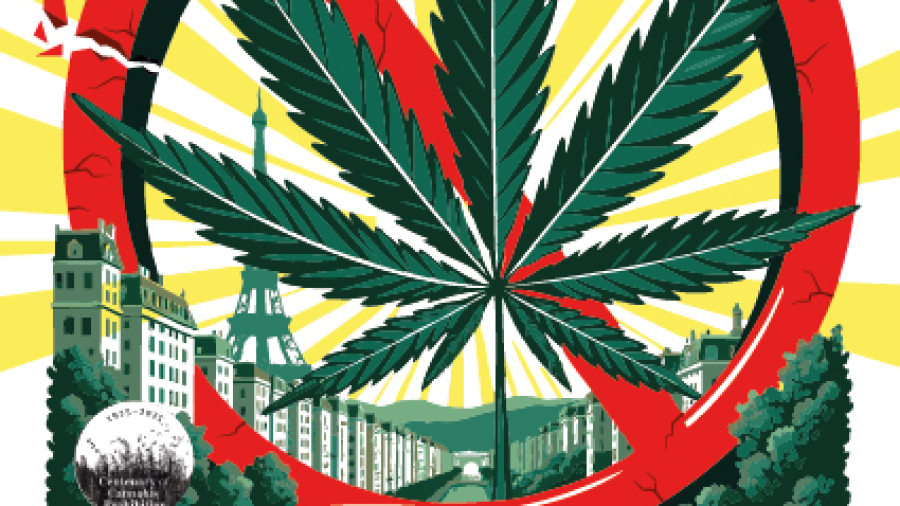
This spring, France becomes the heart of cannabis resistance in Europe. Exactly 100 years after cannabis was internationally banned at a summit in Geneva in 1925, the streets of Paris and cities across the country echo a different call: cannabis liberation, freedom to choose, justice for all – Release the prisoners of the drugwar, Cannabis Social Clubs and the right to grow.

Led by Farid Ghehiouèche, Chair of ENCOD and founder of Cannabis Sans Frontières, this year’s Cannaparade mobilizes thousands under one banner: Stop 100 years of prohibition – Legalize, decriminalize, and humanize!

Created over two decades ago, Cannaparade is France’s major annual demonstration for cannabis policy reform — bringing together patients, activists, artists, and citizens to demand urgent and necessary changes.

Key Mobilizations:

* Saturday, April 26th – Info stand at Place de la République (14:00–18:00).

* Saturday, May 3rd – Info stand at Place de la République (14:00–18:00).

* Saturday, May 24th – Cannaparade march from République to Bastille (14:00–20:00).

* Wednesday, June 18 – Appel du 18 joints – decentralized actions across France / City hall protests.

* Friday, June 21 “Music day” – Concert “Narcotik” in Paris.

Our claims and requests:

* Decriminalization of drug use.

* End to police repression and mass incarceration.

* Right to home-grow and Cannabis Social Clubs.

* A national public debate on drug policy.

* Stigma-free prevention and health-centered reform.

ENCOD proudly stands with this wave of hope and resistance.

Together, we say: Freedom to Farm – Freedom to Heal – Freedom to Choose.

#ENCOD #Cannaparade2025 #FreedomToFarm #StopProhibition #CannabisJustice #CannabisSansFrontieres #18Joints #LegalizeIt #DrugPolicyReform #France #CannabisEurope #EndProhibition

2022 Banner 1080_without borders_small

Italy : If you do fascism, we will do the resistance !

As a follow-up to the last demonstrations in Italy, Enrico Fletzer – former ENCOD chairman – is informing us about the next steps to be taken in Italy by the large movement of resistance against the neofascist government headed by Meloni.

The Italian social movements backed by the Metal workers Union FIOM and the main workers organization CGIL is promoting the blockade of the Italian Parliament on the 26th of May the day of the passing of the Security law that is jeopardizing democracy in Italy and wiped out the local cannabis industry that is concerning about 22000 people. The following Saturday 31th there will be a big demonstration in Rome, possibly attracting more than the 100.ooo participants of the previous one. The main cannabis groups, anti prohibitionists are going to participate also in the Million Marijuana March block with some huge trucks and live music on the 31th of May.

The following is the communique issued by the national meeting held on last Saturday in Rome

IF YOU DO FASCISM, WE WILL DO THE RESISTANCE

Today we are here again, in hundreds, after eight months of mobilization that brought 100,000 people to the streets on December 14. A long-lasting struggle march affected in the last weeks the whole country with demonstrations and assemblies with a powerful participation which also characterized the anniversary of the Liberation from fascism and German Occupation on April 25 in Italy with demonstrations to celebrate the resistance of yesterday and, above all, the one to which we are called today. So, let’s start with the two appointments that we approved today with broad consensus: on May 26, when the decree will land in the Chamber, and on May 31 in Rome in a large national demonstration.
The scenario we are facing at this point has changed greatly compared to the first months of this year. The Meloni government has forced the mechanism of democratic discussion and approved the Security Law Decree in the Council of Ministers, removing the measure from the vote in the parliamentary halls. An acceleration that is the last act of an evident authoritarian turn that the extreme right is imposing on our country, starting from the twist on the war economy up to the silence towards the referendums of next June 8 and 9 and the disputes and open contracts, including those of the metalworking sector.

And yet the mobilization that we have promoted in recent months and that makes us find ourselves now, in many and in divers3, speaks to us of a real and widespread opposition in our country, which no longer concerns only organized groups but also the surplus.

A convergence and a transversal assonance that has not leveraged internal hegemony but that has been able to animate a space and a composite universe, through the promotion of thematic appeals and specific disputes, demonstrating that our country is not at all pacified but that, on the contrary, it is fully equipped with the antibodies necessary to block the anti-democratic twist that the Meloni government wants to impose on us.

This Network has had the transversal mandate to build a space of opposition and dissent, to respond to attempts at authoritarian drift and denial of rights. With this objective, the construction of a mass mobilization that gives substance to a lasting and revival social opposition continues.

After 31 May and beyond the Security Decree.

On May 26, the measure will arrive in the Chamber of Deputies for a confidence vote ( making it impossible to change anything of it…EF). On that day we are called to build a mobilization capable of gathering voices, protagonism, widespread conflictual power, which hosts interventions by the subjectivities that have lined up against the bill and which turns into a real siege to the authoritarian unanimism of the Palace with the aim of stopping the process of the DL fear, as we have been saying for months. Inside the Chamber, however, we ask that a sabotage mechanism be implemented by the opposition political forces to prevent at all levels that this law – the worst that the far-right Meloni government has imposed on our country and the worst in our republican history – profoundly changes the democratic structure.

On May 31, the appointment will be in the Square for a national, plural demonstration, in which the riches, proposals, instances, ideas of society that are determining the social and political opposition to the Meloni government, to its authoritarian and anti-popular plan, converge. We will be a multitude on the move: the goal will be to go further. That day will be dedicated to a mass demonstration, of all those who raise their heads against abuses, made up of the many voices of conflict and dissent on social, civil, political issues.

Forms of conflict become a necessary tool for the defense of democracy, to reject all authoritarian attempts by the Meloni government because our social opposition will continue to be real and vigilant against any further anti-democratic and authoritarian turn. We will not stop.

We are obliged to move forward because today we are stronger and more determined to practice conflict and to imagine together how to do it, how to disobey, how to resist, how to defend ourselves. We also welcome a deeper reflection on the practices of conflict, aware that the many stories that animate the network – non-violent demonstrations, disobedience, practices of self-protection of the square – must always converge on the practice of the objective and on the ability to create a dialectic between conflict and consensus. Each piece of this network – in its own way, on its own ground, with its own codes – is doing it and will do it. This has become a priority for us. We have created a space of defense and rupture to recover the ground of rights that this government wants to limit, we have reappropriated those public spaces that they want to take away from us piece by piece.

We therefore continue to give wide visibility to the work of the many nodes of this network, on the territories and centrally. Important events await us, which strengthen and amplify the next 26 and 31 May.

The day before yesterday the relay hunger strike promoted by unions, associations and jurists began, which will end with the national demonstration.

On May 17 in Rome for the LGBTQIA+ mobilization; on the same day, in Milan people take to the streets to say NO to the so-called “Remigration summit”, an event that spreads xenophobic and inhuman messages, incompatible with the values of our city and the Constitution.

On May 26 and 27, an opposition to the NATO summit dedicated to the defense and security of the Mediterranean is organized in Naples, with Libya and Israel as guests.

In the days before, again in Naples on 23 and 24 May, we point out the appointment of the Social Forum On housing.

On May 31, in the morning, it is time for the national assembly of the coordination of associations and teachers of the movement against the new national guidelines for schools.

On 8 and 9 June for the Referendum on work rules and citizenship.

And then, let’s remember June 21 when a large European demonstration against Rearmament is planned, because the fight against war remains the political framework within which we move.

We will not stop.

Cannabis Sem Fronteiras

The Urgency of Regulating Cannabis Vaporizers in Brazil: Between Institutional Omission and the Right to Health

The Urgency of Regulating Cannabis Vaporizers in Brazil: Between Institutional Omission and the Right to Health

Paulo Thiessen, lawyer and global activist in the cannabis sector, Administrative Director of ACURA, Legal Director of the International Movement Cannabis Sem Fronteiras, President of Santo Amor, human rights and drug policy consultant for ENCOD, legal advisor for NORML France, member of the Cannabis Embassy and Cannabis Sans Frontières.

Email: paulothiessen@gmail.com.

Konstantin Gerber, Ph.D. in Law from PUC-SP, lawyer with expertise in the third sector and regulatory law. Member of SBEC – Brazilian Association for Cannabis Studies.

Email: juristasabolicionistas@gmail.com


The regulatory progress of cannabis in Brazil has been drawing global attention. In this tropical country of continental dimensions, where at least 7.7% of the population (1) has reported having used cannabis, a vast network of activists, users, patients, doctors, and lawyers is actively shaping public policy around the plant through a range of strategies—both direct and indirect.

To the attentive observer, the recent advancements in securing individual and collective rights for patients—including the legal recognition of cultivation and use of cannabis for health and well-being—combined with the recent decision of the Supreme Federal Court (STF) decriminalizing possession and private adult use in Brazil, all point toward an unavoidable question:

When will the country advance toward clear, effective, and accessible regulation of cannabis vaporizers? After all, these are well-established tools for the treatment of certain clinical conditions and for harm reduction—validated by evidence, scientific literature, and comparative law.

The proposed revision of RDC 327/2019 (2), currently under public consultation No. 1316/2025, reignites a crucial debate. While it expands the routes of administration for cannabis-based medicinal products—now including oral, buccal, sublingual, inhalation, and dermatological routes—it expressly excludes medical devices from its scope. This exclusion disregards the real needs of patients who depend on vaporizers to consume cannabis flowers and concentrates, thus exposing a troubling regulatory gap.

According to the draft regulation, the inhalation route is defined as the administration “through the nasal or oral respiratory system simultaneously for local or systemic effect (3),” allowing for pharmacokinetic identification of cannabinoids(4). Still, despite this explicit inclusion, there remain significant and urgent restrictions on the use of vaporizers that must be addressed.

First, we must dispel the notion that regulating vaporizers in Brazil is impossible due to the current restrictions on the import of cannabis flowers by individuals for medicinal purposes—as stated in ANVISA’s Technical Note No. 35/2023, which argues a lack of sufficient scientific evidence.

This argument loses credibility when confronted with reality: the therapeutic use of cannabis flowers has already been recognized by the Judiciary, both through favorable rulings to patient associations—such as ACAFLOR(5)—and via habeas corpus granted to individual patients. Added to this is the recent Supreme Court decision decriminalizing the possession of up to 40 grams and the cultivation of up to 6 female plants for personal use.

In this context, a logical conclusion emerges: there is an urgent need to ensure safe and regulated access to devices that enable inhalation for therapeutic purposes—vaporizers.

It is worth noting that Brazil has recently made progress by incorporating the quality standards for cannabis flowers described in pharmacopoeial monographs and their reintegration into the Brazilian Pharmacopoeia through RDC No. 940/2024(6). This is a positive step, no doubt. However, this milestone pertains to pharmaceutical ingredient standardization, not to the raw plant drug itself, especially regarding its use via inhalation. This regulatory gap continues to generate considerable bureaucratic hurdles—hurdles that must be tackled with urgency.

Although the current draft regulation still prohibits “(…) the commercialization of Cannabis products in the form of raw Cannabis sativa L. plant material or its parts, even after stabilization and drying, or in shredded, ground, or pulverized form, even if provided in any pharmaceutical form(7),” this delay on ANVISA’s part cannot override the lived reality of patients—whether members of associations or fighting legal battles individually— nor ignore the private sphere of citizens, as recognized by the STF recent ruling.

It is essential to distinguish between cannabis flower vaporization, when performed with pharmaceutical-grade products, and conventional smoking methods such as cigarettes. Vaporization, by definition, does not involve combustion, which significantly reduces respiratory harm and the release of toxic substances. Internationally, it is widely recognized as a therapeutic tool for managing chronic pain.

Yet, ANVISA still fails to recognize the medical justification for inhalation, even with high-quality vaporizers, citing supposed harm to the respiratory system and risks associated with thermal degradation byproducts(8)—despite internal technical responses indicating that these devices could be imported under RDC 81/2008(9). This contradiction exposes a lack of internal consistency in the agency’s approach.

Let us digress briefly to expose a regulatory contradiction: the same ANVISA that authorizes the commercialization of tobacco cigarettes—full of pesticides, carcinogenic chemical additives, and plastic filters that become toxic environmental waste (cigarette butts)—refuses to regulate even hemp-derived smoking products, a cannabis variety with minimal THC. This is blatant hypocrisy, with consequences that extend beyond public health and into the realm of social justice and institutional coherence. While this debate deserves further exploration, especially within harm reduction, the point remains: ANVISA cannot continue ignoring the safe use of cannabis vaporizers, which do not burn the material—unlike tobacco cigarettes.

To advance as a nation on this issue, we must confront a terminological problem: the overuse of the English term “vape” to describe all devices used for inhalation, which blurs the line between harmful electronic cigarettes and cannabis medical vaporizers designed for harm reduction.

Indeed, ANVISA’s own responses to its public ombudsman—dated September 25 and 30, 2024—illustrate its confusion. On the first date, the agency claimed vaporizers could not be imported due to the prohibition on electronic cigarettes under RDC 46/2009(10) by the time. On the second, it acknowledged that while the use of flowers is restricted, such devices could be imported under the medical regulation of RDC 81/2008(11). This inconsistency demonstrates the lack of conceptual clarity between electronic cigarettes and medicinal cannabis vaporizers.

If ANVISA itself cannot distinguish between different device types and their respective regulations—committing errors that reveal conceptual confusion—then the matter becomes even more urgent. At the end of the day, patients and citizens suffer the consequences, relying on these devices for treatment, and they cannot have their care confused with risk promotion, especially by the very authority meant to ensure health safety. It is ANVISA’s duty to expand access and protect patients and citizens, instead of creating regulatory barriers.

So, what is the global regulatory landscape for cannabis vaporizers?

In Canada(12), devices such as dab pens (for concentrates) are licensed, and healthcare professionals receive specific guidelines on cannabis use, including vaporization as a safer alternative to combustion. Vaporization is known to extract Delta-9 THC and CBD efficiently, without adverse effects, and is clinically recommended, especially for chronic pain(13).

Israel is a global leader in medicinal cannabis and was one of the first to regulate vaporizers. Since 2018, devices such as the VapePod(14) (for extracts) and Syqe Inhaler (for microdosed flowers) have been approved by the Ministry of Health as medical devices(15). Both allow precise, safe, and damage-reducing cannabis administration compared to smoking. Israeli policies include clinical guidelines that prioritize vaporization as a preferred medicinal route.

The European Union, through the European Medicines Agency, regulates medical devices, allowing vaporizers to be certified(16). In Germany, where medicinal cannabis has been legal since 2017, devices like the Volcano Medic 2 and the Mighty+ Medic, from the German company Storz & Bickel, are certified medical vaporizers used across Europe(17) and beyond(18), demonstrating regulatory harmonization.

Australia legalized medicinal cannabis in 2016 and maintains an official list of approved vaporization devices(19), ensuring safe and effective methods of administration for patients.

In the United States, although cannabis remains federally illegal, 39 states and the District of Columbia have legalized medicinal use, each with its own rules for prescription, dispensing, and cultivation. Cannabis vaporizer regulation also varies by state, resulting in a patchwork of approaches. As in Brazil, the term “vape” can refer to both cannabis vaporizers and electronic cigarettes, highlighting the need for regulatory clarity.

In Brazil, based on ANVISA’s second response mentioned earlier, vaporizers could theoretically be imported under RDC 81/2008(20) for medical devices. However, this procedure is far from proportional to patients’ real needs, nor does it fit for citizens who now have the legal right to grow and use cannabis for personal use. This inconsistency clearly reveals the need for a new, proportional regulatory framework to enable citizens to exercise their constitutional right to health via vaporization (Article 5, LXXI, of the Constitution)(21).

For legal entities seeking to import such devices, the procedures outlined in the Manual for Importing Medical Devices and the Licensing Manual via LPCO (License, Permission, Certificate, and Other Documents) must be followed. It is essential to include the manufacturer’s instructions for use.

Moreover, the manufacturing of cannabis vaporizers in Brazil could be enabled through regulatory harmonization with international certifications. RDC No. 687/22(22) allows the use of foreign Good Manufacturing Practice Certificates (CBPF) issued by recognized health authorities, which facilitates the local installation of production lines originally based abroad.

Already-certified vaporizers could adapt their production processes to Brazil, provided they comply with the criteria set out in IN No. 292/2024(23) and RDC No. 741/2022(24), which govern the recognition of good practices and international manufacturer inspections. This presents a concrete opportunity to stimulate national production of cannabis-focused health technology, with regulatory security and technical rigor.

In any case, the absence of clear regulation for cannabis vaporizers in Brazil is a direct obstacle to the realization of the rights to health, freedom, dignity, and self-determination. It hampers safe access to proven, less harmful devices, discourages productive investment in the country, prevents the establishment of international companies, and deprives the state of tax revenue and innovation in a sector that already exists and will not disappear.

The conceptual confusion between electronic cigarettes and medical vaporizers—often reinforced by ANVISA’s contradictory positions—only deepens this issue. It is urgent to technically distinguish these devices and establish specific rules to ensure safe, responsible access for Brazilians.

In the face of regulatory omission, it is both legitimate and necessary for patients, associations, and companies to pursue administrative and judicial remedies—such as writs of injunction or collective legal actions—to secure the right to cannabis vaporization treatment.

To regulate is, above all, a choice between institutional omission and commitment to public health. In a constitutional democracy, public administration must act in accordance with the principles of legality, reasonableness, and efficiency (Art. 37, CF), upholding the health and dignity of its citizens (Art. 5 and Art. 6, CF).

Brazil has already taken important steps toward therapeutic freedom. What remains is to do the same for the devices that make this freedom possible.


Footnotes

(1) : CORRÊA, Douglas. Fiocruz: 7.7% of Brazilians have used cannabis at least once. August 9, 2019. Available at: https://agenciabrasil.ebc.com.br/saude/noticia/2019-08/fiocruz-77-dos-brasileiros-usaram-maconha-pelo-menos-uma-vez (Accessed: April 16, 2025).

(2) : ANVISA – Brazilian Health Regulatory Agency. Collegiate Board Resolution (RDC) No. 327/2019 regulates the manufacture, importation, commercialization, and prescription of cannabis-based products for medicinal purposes in Brazil. It establishes quality, labeling, safety, and control standards for these products, allowing their use with a medical prescription, but does not authorize the cultivation of the plant within national territory. Available at: https://www.in.gov.br/en/web/dou/-/resolucao-rdc-n-327-de-9-de-dezembro-de-2019-232669358 (Accessed: April 16, 2025).

(3) : BRAZIL. Controlled Vocabulary of Pharmaceutical Forms, Routes of Administration and Medicine Packaging. 1st Edition. Brasília: ANVISA, 2011, p. 34. Available at: https://www.gov.br/anvisa/pt-br/centraisdeconteudo/publicacoes/medicamentos/publicacoes-sobre-medicamentos/vocabulario-controlado.pdf (Accessed: April 11, 2025).

(4) : BRAZIL. Regulatory Impact Analysis Report on Cannabis Products for Medicinal Purposes. Brasília: ANVISA – National Health Surveillance Agency, 2024, p. 51.

(5) : Court of Justice of Paraíba (TJ-PB). Criminal Habeas Corpus, Case No. 0816072-35.2023.8.15.0000. Judgment on February 29, 2024.

(6) : BRAZIL. Public Consultation No. 1,316 of March 27, 2025. Available at: https://anvisalegis.datalegis.net/action/ActionDatalegis.php?acao=abrirTextoAto&link=S&tipo=CPB&numeroAto=00001316&seqAto=222&valorAno=2025&orgao=ANVISA/MS&cod_modulo=630&cod_menu=9373 (Accessed: April 11, 2025).

(7) : BRAZIL. Op. cit., 2024, p. 128.

(8) : ANVISA – Brazilian Health Regulatory Agency. RDC No. 81/2008: Resolution establishing technical regulations for goods and products subject to health surveillance during importation. It defines the procedures and requirements for the entry of medicines, health products, food, cosmetics, and others into national territory.

(9) : ANVISA. RDC No. 46/2009: Resolution prohibiting the commercialization, importation, and advertising of electronic smoking devices (e-cigarettes), aiming to protect public health in light of the lack of scientific evidence on their safety and efficacy. This resolution was later repealed and updated by RDC No. 855/2024.

(10) : ANVISA – Brazilian Health Regulatory Agency. RDC No. 940/2024. Resolution that reintegrates Cannabis sativa L. into the Brazilian Pharmacopoeia, establishing official quality standards for the plant’s dried flowers, without modifying cultivation rules in the country.

(11) : Ibid. 7.

(12) : CANADA. Cannabis accessories for inhalation: minimizing your risk when smoking, vaping and dabbing. Available at: https://www.canada.ca/en/health-canada/services/drugs-medication/cannabis/personal-use/accessories-inhalation.html (Accessed: April 11, 2025).

(13) : CANADA. Information for health care professionals: cannabis (marihuana, marijuana) and the cannabinoids. Available at: https://www.canada.ca/en/health-canada/services/drugs-medication/cannabis/information-medical-practitioners/information-health-care-professionals-cannabis-cannabinoids.html#a2.2.1.2 (Accessed: April 11, 2025).

(14) : LEICHMAN, Abigail Klein. Israel first country to approve medical cannabis vaporizer. Israel21c, March 13, 2018. Available at: https://www.israel21c.org/israel-first-country-to-approve-medical-cannabis-vaporizer/ (Accessed: April 14, 2025).

(15) : KRESH, Daniela. Israel aposta em maconha com fim medicinal. Folha de São Paulo, February 17, 2018. Available at: https://www1.folha.uol.com.br/mundo/2018/02/israel-aposta-em-maconha-com-fim-medicinal.shtml (Accessed: April 14, 2025).

(16) : EUROPEAN UNION. Medical Devices. European Medicines Agency. Available at: https://www.ema.europa.eu/en/human-regulatory-overview/medical-devices (Accessed: April 11, 2025).

(17) : VENTURA, Gregorio. Cannabis vaporizers receive EU certification. Cannabis & Saúde, July 25, 2023. Available at: https://www.cannabisesaude.com.br/vaporizadores-storz-bickel-certificados/ (Accessed: April 14, 2025).

(18) : SCHULER, Frank. Storz and Bickel announces certification of medical vaporizers. International Cannabis Business Conference, July 23, 2023. Available at: https://internationalcbc.com/storz-and-bickel-announces-certification-of-medical-vaporizers/ (Accessed: April 14, 2025).

(19) : AUSTRALIA. Medicinal cannabis vaping devices that are approved in Australia. Available at: https://www.tga.gov.au/products/unapproved-therapeutic-goods/medicinal-cannabis-hub/medicinal-cannabis-vaping-devices-are-approved-australia (Accessed: April 11, 2025).

(20) : Ibid. 7.

(21) : In cases where the lack of regulation prevents the exercise of a fundamental right, the constitutional remedy of writ of injunction (mandado de injunção) is guaranteed.

(22) : ANVISA. RDC No. 687/2022: Resolution establishing the criteria for granting and renewing the Certificate of Good Manufacturing Practices (CBPF) for Class III and IV medical devices. Applies to both national and international manufacturers, including units that produce final devices, conduct final product release, or manufacture software as medical devices (SaMD).

(23) : ANVISA. IN No. 292/2024: Normative Instruction outlining criteria and procedures for recognizing foreign regulatory authorities regarding good manufacturing practices for medical devices. Establishes a list of countries and organizations whose certifications may be accepted as equivalent in Brazil, facilitating registration, importation, or local production.

(24) : Cannabis Sem FronteirasANVISA. RDC No. 741/2022: Resolution regulating procedures for certifying good manufacturing practices for medical devices. Allows the use of audit reports conducted by foreign health authorities or recognized organizations, provided they comply with applicable regulations and are included in Brazil’s regulatory convergence agreements.

Meloni_Mussolini

Dangerous authoritarian drift in Italia: Meloni’s attack on Rights and the Hemp Industry

Dangerous authoritarian drift in Italia: Meloni’s attack on Rights and the Hemp Industry

Italian Prime Minister, Giorgia Meloni, has presented a sweeping decree that significantly alters the country’s political and legal landscape. This decree compromises the Human Rights and Civil Liberties of millions of people in the country. It also targets the flowering hemp and CBD industry, threatening thousands of jobs and undermining scientific consensus.

General measures compromising Human Rights and Civil Liberties 

The decree comes into effect immediately, bypassing the ordinary legislative process. The Congress of Deputies, with a far-right and right-wing absolute majority, has 60 days to ratify or reject it. This approach of ruling by decree centralizes executive power and restricts the elected representative’s role, indicating a move toward authoritarian governance.

This rule criminalizes dissent by imposing harsh penalties for civil disobedience. It will affect several social movements: ecologism, LGTBIQ+, syndicalism, etc. Peaceful protests that block roads or occupy public spaces now face prison sentences of up to six years, whereas these offenses were before treated as minor administrative infractions. Furthermore, the law extends punitive measures to unrest in prisons and migrant detention centers, authorizing additional prison terms of up to 5 years of imprisonment even when protests stem from human rights abuses or poor living conditions. This criminalization targets marginalized groups and deters public opposition.

In parallel, the decree grants protections to security forces and intelligence agencies. Police officers under investigation for torture will not be suspended, which raises concerns about increased impunity. The decree also expands the autonomy and secrecy of intelligence services, reducing parliamentary oversight. Coupled with the threat of revoking citizenship from those convicted of certain crimes, this creates a climate of fear and control reminiscent of authoritarian regimes. International bodies, including six UN special rapporteurs and Amnesty International, have condemned the decree for eroding fundamental rights and democratic norms.

Targeting the Hemp and CBD Industry

This decree in the article 18 has an effect on the Italian hemp and CBD industries. The government has moved to classify cannabidiol (CBD) derived from cannabis as a narcotic substance, banning its use in dietary supplements and other ingestible products. This decision contradicts scientific findings and European Union regulations, which recognize CBD’s therapeutic benefits and non-psychoactive properties. ​[On 24 January 2019, the World Health Organisation (WHO) recommended amending Schedule I of the 1961 UN Single Convention on Narcotic Drugs  in order to clarify that cannabidiol (CBD) is not a narcotic drug.]

The decree also seeks to prohibit the sale and consumption of hemp flowers, even those containing negligible levels of THC. Even some representatives of the right wing opposed the decree as not consistent with EU norms and procedures. For instance, the former mayor of Verona, Flavio Tosi, claimed that he was backed by the Popular parties of the European Union and insisted on applying the EU rules even in Italy.

Just to remember, the Giovanardi law which criminalized drug users for several years, was revoked in 2015. After that there was a small opening. Medical cannabis was regulated, and CBD shops and the first CSCs appeared. But Italy was ever a difficult country for cannabis and drugs. For example, Cannapa Mundi in Rome had to stop due to heavy police harassment of the last edition.

That said, the decree was officially published in the meanwhile Indicasativa Trade was running in Bologna. It created a fearful environment even though Bologna is one of the main progressive countries in the country. The concerns at the fair were the sudden prohibition of hemp flowers and the new traffic rules. This last has a tremendous impact on people not driving under the influence but just under detection,  accused of a criminal act, and stripped of their driving license for three years. Industry experts warn that such measures could devastate the sector, which comprises approximately 3,000 companies, employs around 10,000 individuals, and generates an estimated €500 million annually.

Some early cases were raised by lawyers in Milan because the decree lacked the necessary criteria of necessity and urgency, lumping together many different articles without any sense. Similarly, the 2007 decree that amended drug laws by equating cannabis with heroin was struck down in February 2014 by the Constitutional Court, albeit a bit late. It may happen sooner or later with flower prohibition, but leaving many bodies on the ground because this would lead to the destruction of much of the Italian hemp industry.

Conclusion

The recent decree in Italy has sparked significant backlash from global human rights organizations and domestic critics who warn it threatens civil liberties and contradicts international commitments. The concerns about the law are driving an extensive movement of judges, lawyers, political activists, most of the opposition parties, trade unions, social centers, and cannabis workers. They are launching a big demonstration in Rome at the end of May. Due to cannabis repression, this could also become an encounter point for the drug policy reform movement. This demonstration will embrace the populations most impacted by the decree. The cannabis movement should be there. Don’t give up, organize yourselves! Let’s march together.