Italy6

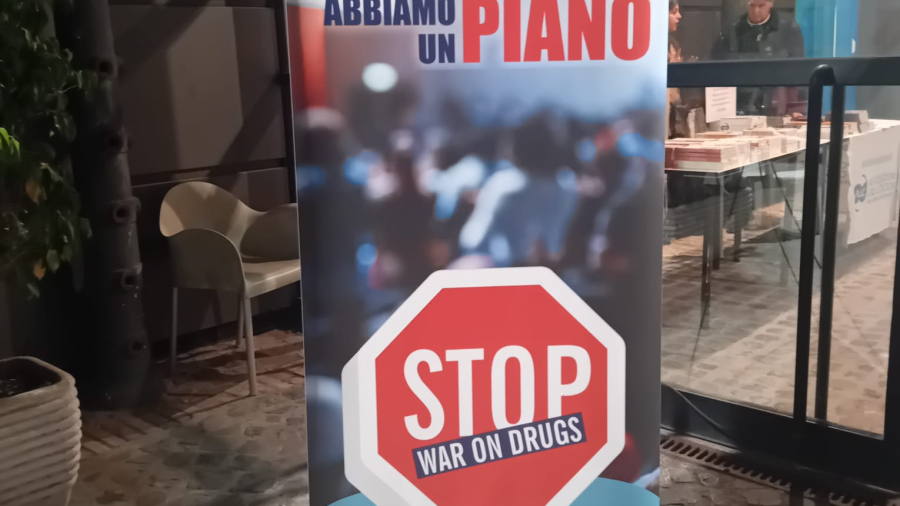
Italy – Counter-conference on Drugs: “Let’s stop the war on drugs, let’s guarantee civil and social rights!” 

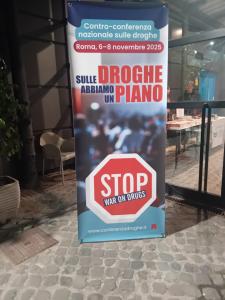
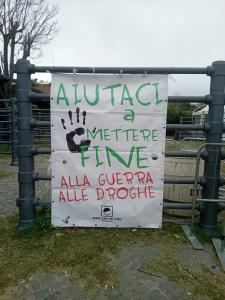
Counter-conference on Drugs: “Let’s stop the war on drugs, let’s guarantee civil and social rights!” 
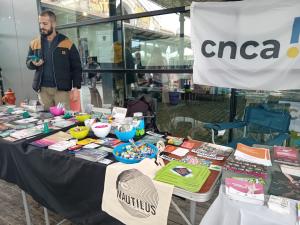
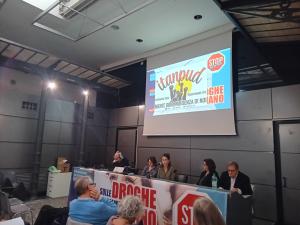
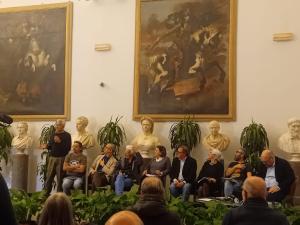
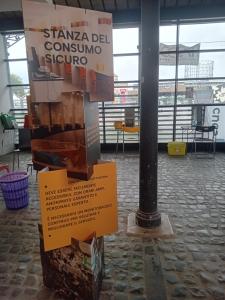
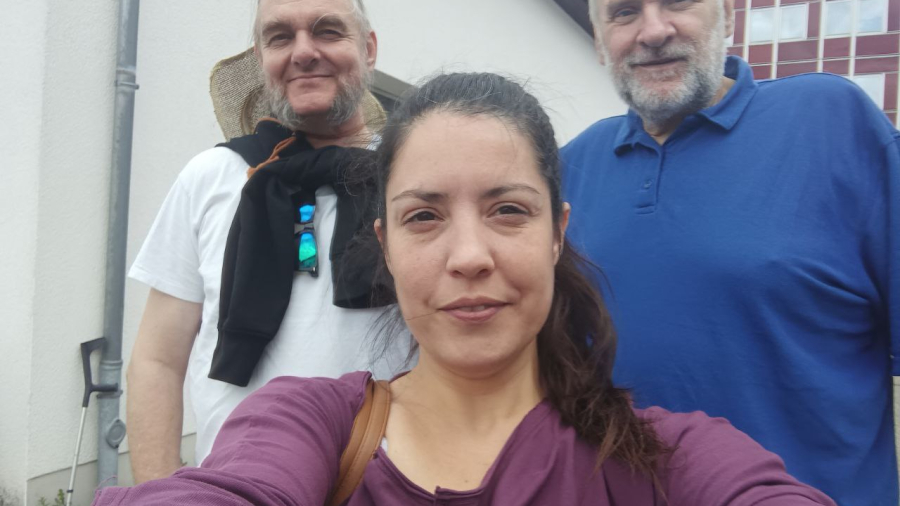
Meeting in Rome between 6th and 8th November, over 200 participants reaffirmed the shared commitment towards human rights, people centred drug policy reform, and closer alignment to the responsible regulation of all drugs.
This sentiment was also shared by Mr Zaved Mahmood, human rights advisor at the United Nations. He underlined that national governments are responsible from promoting the full realisation of the right to health and thus including the utilisation of human rights tools to address drug use in society. Mr Mahmood emphasized the centrality of addressing drug policy in its entirety and apply decriminalisation, depenalisation, and regulation tools in tandem with broader social services such as housing, nutrition, and meaningful gainful employment.
The extensive list of speakers, and key messages focused on the importance of inclusivity, dialogue, and concrete action preventing stigma, and restoring dignity to many. Furthermore, all those present agreed on the pivotal importance to place people who use drugs at the helm and centre of all decisions, discussions, and project implementation concerning their lives.
Various speakers expressed concern at a growing wave of the ‘securitisation’ of borders, and a rise in right wing politics and policies. This was recognised as a newfound risk for people who use drugs, especially people already carrying other stigmatised labels such as migrants, gender queer people, and those facing homelessness.
Whilst recognising that the years 2024/2025 have been particularly significant for international drug policy reform, especially when one considers the broken Vienna consensus on the war on drugs, and the inclusion of Harm Reduction in UN resolutions, speakers recognised that the translation of international dialogue into effective national policies will require much more than just diplomacy. This will also be particularly difficult at a regional level when one considers the extensive and significant funding cuts across the EU, including challenging long standing and new found barriers for civil society organisations providing different harm reduction and other services for people who use drugs.
The UN International Guidelines on Human Rights and Drug Policy was recognised and heralded as a key and most significant document to guide governments in developing and sustaining people centred drug policies and laws. Highlighting the current red-flags by the Italian government, in particular the ‘security law – Legge Sicurezza’ and other laws restricting movement, and the assembly of people on the pretext of ‘protecting and preserving public peace’, the speakers warned that this is not only an attack on people who use drugs, but on the democratic principles and processes of the Italian nation and state. In fact, representatives from the association Meglio Legal were arrested just a few hours before. Their sole crime? Trying to peacefully participate to the Government’s own conference on drugs which was held during the same days.
The contro-conference included also testimonials from countries who have recently regulated some form of supply for recreational cannabis use. Mr Andrew Bonello from Malta, and George Wurth from Germany provided a general overview of the legal provisions, including positive and negative measures directly impacting the cannabis reform.
In conclusion, the contro-conference recognised the centrality of grass-roots movements in advancing the rights of people who use drugs, and ensure government, policies, and social institutions fulfil their role in  advancing human rights for all.
This conference included the participation of the following partners:  
– Forum Droghe
– ITARDD
– ENCOD – European Coalition for Just and Effective Drug Policies
– United Nations Office for Human Rights
– United Nations Special Rapporteur for Health
– International Drug Policy Consortium
– European Drug Policy Alliance
– EuroNPUD, ItalNPUD
– Harm reduction International
– C-European Harm Reduction Network
– Youth Rise
– Metzineres
– European Union Drugs Agency
– Associazione Luca Coscioni
– Multidisciplinary Association for Psychedelic Studies
– Psychedelic Access Research European Alliance
– Psychedelicare.eu
– CNCA
– Associazione Antigone
– CGIL
– Meglio Legale
– German Hemp Association
– ReLeaf Malta
Rete degli Studenti
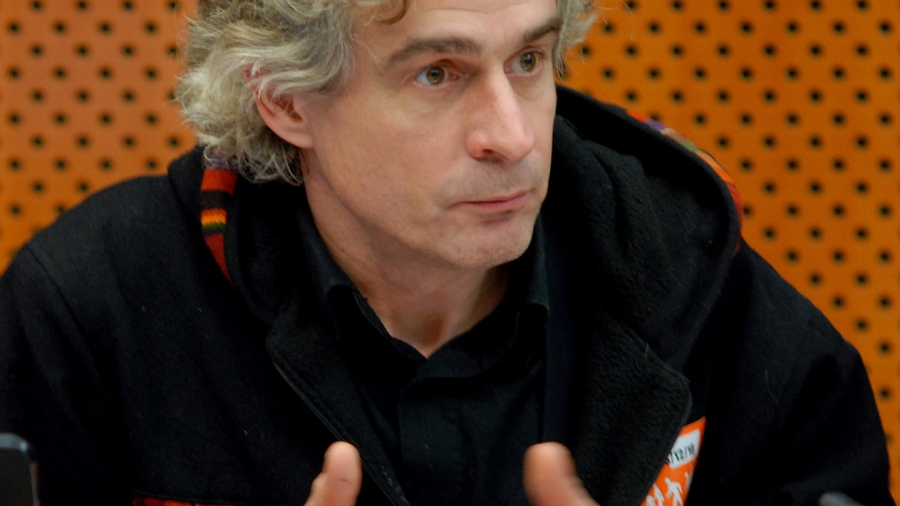
Joep_Oomen_Cannabis_Hearing_EU_Brussels_8_12_2010_foto_db

The ECDD’s Hands Tied: The Structurally Impossible Descheduling of the Coca Leaf from Schedule I

Oral and written statement submitted to 48th ECDD – Information Session – October 20th 2025

The ECDD’s Hands Tied: The Structurally Impossible Descheduling of the Coca Leaf from Schedule I 

Distinguished Chair, dear members of the ECDD, all delegates here,

The forthcoming evaluation of the coca leaf by the WHO Expert Committee on Drug Dependence offers a moment of historic importance. It invites the international community to reflect on the coherence and fairness of the Single Convention on Narcotic Drugs (1961).

Yet it must be acknowledged that, under the current structure of the Convention, an effective descheduling of the coca leaf from Schedule I is legally impossible without a formal treaty amendment.

The coca leaf (Erythroxylon Lam.) holds profound cultural, medicinal, and nutritional significance for Indigenous and Andean communities. Nevertheless, since 1961 it has been treated as equivalent to cocaine. This is because coca, alongside opium and cannabis, constitutes one of the three botanical pillars upon which the Convention’s control system was built.

Under Articles 2(6), 26, and 27, the coca leaf is subject to all control measures applicable to Schedule I substances, irrespective of its formal inclusion in the Schedule. Therefore, even if the ECDD were to recommend, and the Commission were to approve, its removal, the same control obligations would remain in place.

Such descheduling would result only in a change of terminology, not of substance. It could even generate regressive effects:

  1. The coca leaf would remain fully controlled;
  2. It would lose access to Article 2(9), which permits exemptions for industrial or non-medical uses;
  3. The system would face a new inconsistency, applying narcotic drug controls to a substance no longer defined as one.

This would neither correct a historical error nor advance the decriminalisation of traditional and medicinal practices. Instead, it would perpetuate the rigidity of a system that has constrained Andean States and Indigenous peoples for over six decades.

If this process is to honour the principles of the United Nations — respect for cultural diversity, human rights, and scientific evidence — it must move beyond scheduling debates to address the structural limitations of the Convention itself.

We therefore urge Member States, the WHO, and the Commission on Narcotic Drugs to:

  • Recognise the legal and structural barriers inherent in the Convention;
  • Acknowledge the distinct cultural and pharmacological nature of the coca leaf; and
  • Initiate an inclusive dialogue toward a coherent and equitable reform of the international drug control system.

Only through such reflection can we move from symbolic revision to substantive reform, and honour the spirit of the United Nations Charter by upholding the dignity and rights of the peoples for whom the coca leaf remains a living heritage.

In memoriam Joep Oomen, Jorge Hurtado and so many friends of the coca leaf

Thank you, Chair.


Submissions form – Oral Statement ENCOD-FAAAT-CSF.docx


Charlie Hebdo 17092025 Cannabis Sans Frontieres 10septembre Bloquons Tout_mini

Charlie Hebdo caricatures ENCOD’s chairman

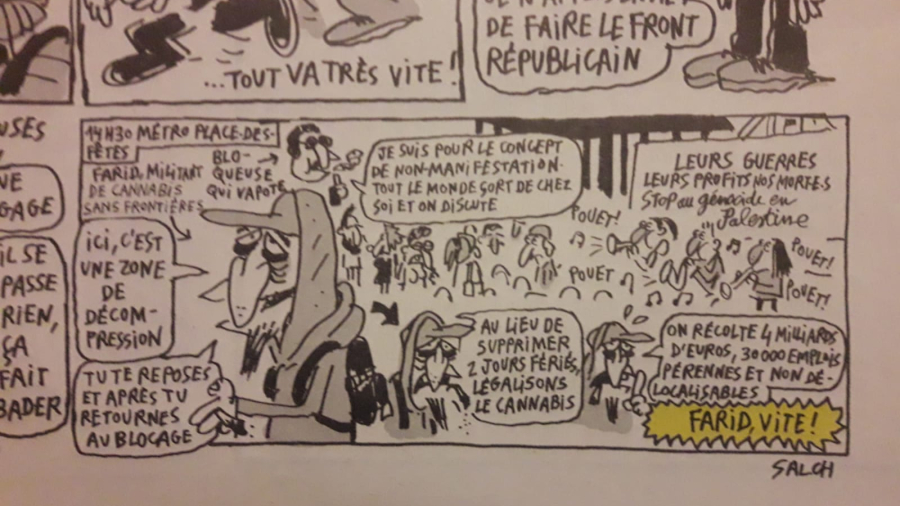
Thank to the french satiric weekly satirical newspapers Charlie Hebdo (17 september, Issue 1730), ENCOD’s chairman Farid Ghehioueche appeared in a comic strip that recounts the events of #10September during the #BloquonsTout #IndignonsNous #MacronDemission movement (with plenty of demonstrations, blockages, strikes, sabotages all over France);

In the final speech bubble about the gathering at Place des Fêtes, Farid is the subject of a caricature presenting the claims of Cannabis Sans Frontieres: “Instead of removing two fairy days, let’s legalize cannabis. We’ll harvest €4 billion, 30,000 permanent jobs that can’t be removables,” concluding with the slogan “FARID VITE !” (FARID HURRY UP!).


LOGO centenary of Cannabis Prohibition 1925-2025

UNESCO’s Mondiacult to Spotlight Cannabis in Global Cultural Policy for First Time


Read the new in Business of Cannabis Online : https://businessofcannabis.com/unescos-mondiacult-to-spotlight-cannabis-in-global-cultural-policy-for-first-time/

For the first time in its history, UNESCO’s flagship cultural policy conference will give cannabis a prominent platform, marking the centenary of its international prohibition and reflecting its growing cultural acceptance.

UNESCO’s (United Nations Educational, Scientific and Cultural Organisation) World Conference on Cultural Policies and Sustainable Development, Mondiacult, is the world’s largest cultural conference, welcoming delegations from all 194 member states, aimed at setting the cultural agenda across the globe for the coming years.

From September 29 to October 01, during the 25th edition of the event, two contributions from civil-society organisations FAAAT (Forum Drugs Mediterranean) and the Cannabis Embassy, will make the case to position cannabis at the heart of global cultural policy discussions as the UN prepares its post-2030 development framework.

FAAAT and the Cannabis Embassy have submitted two official contributions: a technical paper, Cannabis: A Plant Without Borders. Cultural Diagnosis, One Hundred Years After Its Prohibition, and a consultation report on the role of cannabis-linked communities in preserving intangible cultural heritage, with insights drawn from events in Barcelona and Santiago de Chile.

This inaugural inclusion of cannabis comes on the centenary of cannabis being simultaneously recognised in the international pharmacopoeia and listed as a ‘narcotic’ under treaty law. The initiatives at Mondiacult seek to reframe this legacy by integrating cannabis-linked practices into broader heritage and sustainability agendas.

Mondiacult is the largest international gathering dedicated to culture, bringing together thousands of participants who will shape the global agenda for years to come,” said Sébastien Béguerie, president of FAAAT.

Kenzi Riboulet-Zemouli, an expert on international drug policy, added that the 2025 edition represents a “decisive moment to enshrine cannabis-related cultures within the United Nations’ next development strategy“.

The move reflects a broader trend from prohibition towards cultural recognition. FAAAT, which has been active in drug policy reform for over two decades, played a key role in the UN’s 2020 rescheduling of cannabis. The Cannabis Embassy, formed in 2024 to unify international advocacy, continues this work by appointing ‘cannabis ambassadors’ and participating in global forums.

Mondiacult gathers thousands of policymakers and cultural practitioners every four years. With the 2030 Sustainable Development Agenda nearing its end, the 2025 conference provides a rare opportunity to re-evaluate the place of traditional and contemporary cannabis cultures in global policy-making.

  • https://mondiacult2025.org/
  • https://agoracivica.cat/en/


More infos

En français :

  • https://www.newsweed.fr/lunesco-met-pour-la-premiere-fois-le-cannabis-a-lhonneur-dans-la-politique-culturelle-mondiale/?fbclid=IwY2xjawM3a-RleHRuA2FlbQIxMQABHifsR8JXRYN4zJuCyDcrZGlqPOKHvahIL2bX3eBu4sQxm_PvAGBVj1EFJzut_aem_LlRt5vca3VRNMt0qjrJ4kQ

Spanish :

Barcelona marca un punto de inflexión histórico para la liberación del cannabis


Cannabis growers as gardeners: results from a survey among Italian and British small-scale growers

In the last issue of the International Journal of Drug Policy

Volume 144, Part 3, October 2025, 104959, we can read this very interesting analysis of a survey.


Cannabis growers as gardeners: results from a survey among Italian and British small-scale growers

Background

The horticultural nature of growing cannabis is often overlooked in the study of cannabis production, and subsequent policies. Little is known about whether growers’ horticultural expertise influences cannabis cultivation methods, the growing of other psychoactive plants, substance use behaviors, or interactions with the criminal justice system. The trajectory of cultivation, in terms of whether cannabis is a gateway to more general gardening, or vice versa, is also unexplored. Studying individuals who combine cannabis cultivation with other gardening activities is valuable because it provides insights into the motivations and practices of cannabis growers as illegal drug market participants.

Methods

Data from 1302 small-scale cannabis growers in Italy and the UK was collected through an online survey from 2020 to 2021. We ran two regressions to compare (1) those who only grow cannabis with those who also grow other plants and; (2) those who started growing cannabis and then grew other plants and vice versa.

Results

Most people in our sample grew cannabis and other plants (General Gardeners; 82 %). In comparison with the Only-cannabis group (OCG), General Gardeners (GG) tended to be older, more educated, and more likely to be in a relationship. GG grew more cannabis crops outdoors, and the purposes for growing were more related to ecological or medical reasons rather than selling cannabis. The OCG group had higher odds of using stimulant drugs and meeting cannabis use dependence criteria compared to GG. Among GG, the majority (71 %) started growing other plants and later moved to cannabis.

Conclusion

Gardening other plants is common among cannabis growers and precedes cultivating cannabis far more than the reverse pathway. As general gardeners appear focused on cannabis alone, concerns about spillover to growing other psychoactive plants or fungi may be overstated. Given the lower expected harms associated with general gardening, it could serve as a proxy for reduced supply involvement in legal assessments.
ENCOD GA Berlin 2024

ENCOD General Assembly, 10-12th october, in Eindhoven.

Dear Members,

On behalf of the ENCOD Executive Committee, it is our pleasure to formally invite you to the upcoming ENCOD General Assembly, which will be held from 10th to 12th October 2025 in Eindhoven, the Netherlands.

The General Assembly is our most important yearly gathering, offering an opportunity to review the past year’s activities, exchange perspectives and experiences, and define strategies and priorities for the future of our network. Your presence and contributions will be invaluable to ensuring that ENCOD continues to grow and represent the collective interests of its members across Europe.

Practical Information:

  • ●  Location: Hertogstraat 2-N, 5611 PB Eindhoven, the Netherlands (link)
  • ●  Dates: 10–12 October 2025Further details, including the program and logistical arrangements, will be shared in due course. We kindly ask you to confirm your participation no later than 25 September 2025 to office@encod.org.

    For members unable to attend in person, participation will also be possible online. A connection link will be shared with all registered participants in the coming weeks. We ask you to create a short video, no longer than 10 minutes, in which you present your country report.

    Please note that in accordance with ENCOD’s statutes, delegation of votes is permitted; however, each participant may carry a maximum of one delegated vote in addition to their own.

    We look forward to welcoming you to Eindhoven for what promises to be a productive and inspiring assembly.

    Warm regards,
    ENCOD Executive committee Farid, Ana, Gaby

Invitation

AGENDA Annual General Assembly

Inner Circle Positions


29_September_2025,_it_will_be_exactly_100_years_after_Cannabis_was

At its 23rd meeting the Government of the Cannabis Embassy released its official flag for Legatio Cannabis – 大麻大使馆 – سفارة القنب.

At its 23rd meeting on 27 August 2025, the Government of the Cannabis Embassy adopted the official flag

The shades of green represent the sociocultural and biological diversity that characterises Cannabis sativa L. (a plant known under many synonyms: hemp, marijuana, pot, weed, also known as pakalolo, भांग, dagga, গাঁজা, konopi, 麻, ntsangu, коноплі, haschisch, riamba, قنب, siddhi, kif, cáñamo, mambe, 大麻, chanvre, maconha, 대마초, mota, κάνναβη, hamppu).

Orange is the colour of international Cannabis


prohibition. In 1925, the first placement under international control happened in the “Orange Room” of the League of Nations’ headquarters. Today, diplomats at the United Nations’ Commission on Narcotic Drugs meets annually in an orange building to reaffirm their 1925 commitments to combat a plant that accompanied humankind for millennia. In the country that epitomises the “war on drugs” with a special focus against Cannabis, hundreds of thousands of people have been jailed, in orange, for interacting with this millennial plant.
Flag of the Cannabis Embassy | Drapeau de l'Ambassade du Cannabis | Bandera de la Embajada de la Cannabis

Flag of the Cannabis Embassy

Like a plague, the orange of prohibition may taint some leaves. But leaves are destined to fall, seasons turn, and the eternal green diversity —both human and botanical— eventually covers the strains of prohibition, a temporary and failed global social experiment.

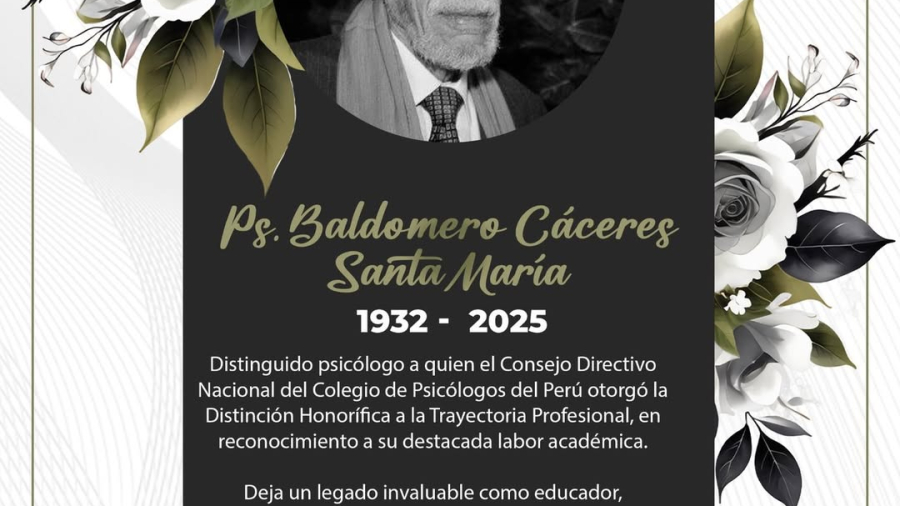
Baldomero Caceres Santa Maria 1932-2025

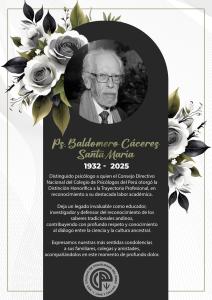
ENCOD deeply regret the passing of Pr. Baldomero Cáceres Santa María (1932–2025)

ENCOD deeply regret the passing of Pr. Baldomero Cáceres Santa María

We, as ENCOD, as well as the Regional Board of Directors I Lima and Callao of the College of Psychologists of Peru, deeply regret the passing of Pr. Baldomero Cáceres Santa María (1932–2025), a distinguished psychologist recognized for his outstanding academic career, his research on the coca leaf, and his defense of Andean knowledge.

He was one of the panelist of the “Just Coca 2022” (read presentation below), and delivered the keynote speech at Just Coca Workshop 1 #medicine: Coca leaf in medicine: lege artis on safety & therapeutics for physical & mental health.

He was recognised in Peru and abroad for his academic activism for the decriminalisation of marijuana (Cannabis sativa) and coca leaf (Erythroxylum coca), promoting their medicinal uses, among others.

He leaves behind an invaluable legacy as an educator and researcher.

We express our condolences to his family, colleagues, and friends.


 Just Coca 2022: Health | Science | People.  Workshops in the Series “People and Psychoactive Plants” from the Centre for Biocultural Diversity: Coca leaf and coca products: uses, safety, medical applications, and regulatory challenges. 18–19 May 2022. https://justcoca.org/
✅ Free event | Interpretation English-Spanish | Organized by: ENCOD, FAAAT, Fairtrade Cocaine Foundation, and Center for Biocultural Diversity (Universidad de Kent). Sponsors: Coca Leaf Café, KFN+ Law Office, ICEERS Foundation.
Workshop 1 #medicine Coca leaf in medicine: lege artis on safety & therapeutics for physical & mental health.
Workshop 2 #nutrition Coca leaf and industrial products: lege artis aspects of nutrition, wellbeing, safety, innovation and process engineering.
Workshop 3 #nature Sustainable coca cultivation & production in fragile environments: an engine for development, not a threat.
Workshop 4 #policy From the Andeans to the Alps: the changing landscapes of coca leaf laws.
➡️ Info & registration: https://justcoca.org
–––


ENG: Baldomero Cáceres Santa María is a Peruvian social psychologist, researcher, university professor and writer. He is recognised in Peru for his academic activism for the decriminalisation of marijuana (Cannabis sativa) and coca leaf (Erythroxylum coca), promoting their medicinal uses, among others. He delivered the keynote speech at Just Coca Workshop 1 #medicine: Coca leaf in medicine: lege artis on safety & therapeutics for physical & mental health.


ESP: Baldomero Cáceres Santa María es un psicólogo social, investigador, docente universitario y escritor peruano.​ Es reconocido en Perú por su activismo académico por la despenalización de la marihuana (Cannabis sativa) y la hoja de coca (Erythroxylum coca),​ promoviendo sus usos medicinales, entre otros. Hizo la charla magistral en el Solo Coca Taller 1 #medicina: La hoja de coca en medicina: lege artis sobre seguridad y terapia para la salud física y mental. Just Coca webinar: https://justcoca.org/


More info :

https://www.facebook.com/100087096976195/posts/713122124934347/?rdid=s1lYXcGgs8e12J21#

https://es.wikipedia.org/wiki/Baldomero_C%C3%A1ceres

photo_5918271257089002116_y

From Protest to Practice: Klub Karl and the Quiet Maturation of Germany’s Cannabis Clubs

Report from Chemnitz

Just a short walk from the imposing Karl Marx monument in Chemnitz —a 7-meter-high bronze head—sits a smaller sign of social change: Founded in 2022, Klub Karl is one of Germany’s first Cannabis Social Clubs (CSCs), but it can not grow a single plant yet, due to administration process. What the club does grow is trust, infrastructure, and preparation. And that’s not to underrate.

Roots That Go Back Decades

Despite its recent founding, Klub Karl didn’t appear out of nowhere. The core members are not newcomers to cannabis. Many have been involved in cultivation, advocacy, and harm reduction work since the 1990s, often at the edges of legality, sometimes in open defiance of it.

Gerfried Düregger is the president and co-founder of Klub Karl, a Cannabis Social Club in Chemnitz. A former wholesale merchant, he turned to medical cannabis in 2011 as part of his treatment for a chronic illness—a therapy that, in his words, gave him his life back. This experience led him to co-found the Austrian patient advocacy group ARGE CANNA in 2014 and to become a committed educator and advisor on medical cannabis. Since 2022, he and Jacqueline Meurer have worked to establish Klub Karl as a model of responsible, community-based cultivation under Germany’s new cannabis legislation. Düregger also represented the club at the founding of the German Cannabis Social Club Association (CSCD) and continues to advocate for patient rights and evidence-based drug policy at the European level.

After decades of prohibition it is the first time that the state of Germany says yes, you can. But only if you do it right. Doing it right, in this context, means navigating a complex new legal framework introduced by Germany’s cannabis law in 2024, following the rules of the KCanG. The law allows for cannabis to be grown and shared through nonprofit clubs—up to 500 adult members each—starting from July 2025. In practice, that means a lot of paperwork, planning, money, and patience.

Not Just Waiting—Preparing

Currently, Klub Karl is awaiting its official cultivation license from the Saxony state authorities—a process that, in their case, has moved relatively quickly thanks to a good working relationship with local regulators. As a final step once the license is granted, the club will have three months to appoint an official prevention officer, as required by law. 

Everything else is ready. The cultivation facility is located in an industrial area well-suited for such operations, and is fully prepared for indoor cannabis production. The site features secure infrastructure, including a fenced perimeter, motion sensors, and 24/7 video surveillance. Klub Karl plans to operate under the license framework for at least seven years, with a long-term commitment for quality and compliance. It places heavy emphasis on education and internal standards.

Bureaucracy as a Test of Patience

Since the law passed, clubs across Germany have been waiting for clear application procedures. Some waited a long time. In Chemnitz, the official window to apply opens July 1, 2025. Klub Karl already has their paperwork drafted—dozens of pages outlining how they’ll secure their grow site, track every gram of product, and educate their members.

The bureaucratic process—and the financial burden of maintaining a fully equipped facility while waiting for the cultivation license—pose significant challenges. Keeping a secured, operational site ready for cannabis production without generating any revenue requires not only careful planning but also substantial financial backing. Without solid capital behind them, many associations may struggle to reach the final stage. The law may be in effect, but the high entry costs and lengthy waiting periods mean that not everyone will have the capabilities to grow legally.


A Different Vision of Cannabis

Unlike the commercial cannabis models emerging in other countries, Klub Karl has no interest in branding or marketing. It is structured as a nonprofit association, with a strong emphasis on collective responsibility and democratic participation. Every member has a voice in how the club operates, and every euro collected is reinvested directly into cultivation, education, and compliance. The focus here is not on lifestyle or trend, but on access, quality, harm reduction, and accountability. This approach reflects a deeper philosophy: that cannabis, when removed from the profit motive, can be integrated into society in a safer and more constructive way.

As of mid-2025, Klub Karl remains in a waiting phase. The official license application approval could be received in July, but there is no guarantee how quickly it will be. It could take weeks or even months. For the people behind the club, this waiting period is not unfamiliar. Many of them have spent decades—some since the 1990s—engaged in activism, informal cultivation, or advocacy under the shadow of prohibition. Compared to that long history, a few more months is tolerable. In the meantime, they continue refining internal processes, supporting the formation of new clubs across Germany, and building a foundation for long-term sustainability.

There is no rush, no marketing campaign, no grand announcement. Under the silent gaze of Karl Marx’s monumental bronze head, the people of Klub Karl are not promising a cannabis revolution. What they are building is slower but potentially more enduring: a legal, local, and community-driven model for cannabis distribution in Germany. It is cautious by design, rooted in decades of lived experience, and motivated by something rarer than hype—responsibility.


Meloni_Mussolini

Italy : Hemp for victory !

Hemp for Victory!
By Enrico Fletzer

At the eve of the national demonstration against the Security Laws on Saturday 31st of May scheduled at 2 PM in Piazza Vittorio, Rome

Cannabis seems to be the obsession of Mr. Alfredo Mantovano, a right wing politician who in the recent past inspired the so-called Law Fini-Giovanardi that had equaled heroin with cannabis, and which introduced penalties up to 20 years of prison terms for possessing, dealing and even the non-profit sharing of illegal substances. We all saw his modest speech at the CND plenary this year in his mixed array of moralistic views about the corrupted mores of the global youth at the base of the drug scourge.
Not following even today the Einstein motto on the insanity consisting on repeating failed attempts, even then the illegal law in 2007 was passed as a mandatory “urgent measure” to ensure the budget of the Winter Olympics was finally cancelled on the 2014 by the Constitutional Court in a verdict that did not consider its contents but rather the obnoxious procedures adopted to pass the decree as an emergency measure, a decision taken with no discussion in the Parliament and not consistent with the Italian Constitution. Just like it is happening in these hours in Rome on the so called Security Law being passed with no discussion and with some amounts of beatings in the streets of Rome.

In a growing spiraling of penal populism Giorgia Meloni claims to have re- established the prevalent value of the private property in a extremely dramatic situation with overfilled prisons with 20.515 inmates, being the 34,1% subject of a single law, the Art 73 on drugs with 17.406 prisoners , 28,9% who are labelled as being drug dependent. Decimalization , amnesties and legal regulation are considered yet as a practicable solution also in parts of the opposition.

The continuing moral stigma, according the above mentioned former subsecretary on Justice lead from 1990 to a mass persecution of the Italian Youth, with 1.400.000 persons labelled as drug addicts and with more than a million subjected to heavy administrative penalties like the loss of the driving license and passport for the mere possession.

The actual Decree on Security, nicknamed as the Scare Decree shows many unconstitutional aspects and in the case of cannabis is also clearly clashing with the EU regulations on the free exchange of goods throughout the Union. But as a matter of fact, the Italian and European Courts stopping this scoundrel will be always a bit late to correct the records and accordingly the impact on the penal and social system will be huge. All acts of civil nonviolent protest will be practically made impossible. The planned national conference on drugs planned on the 7/8 November 2025 in Rome will be possibly another step of the authoritarian regime to introduce further pain and distress to the Italian lower classes and social activists. An alternative conference is also planned.

In the meanwhile trains, buses and private cars are organizing possibly the biggest protest against the present government. Also a big and unexpected comeback of the activists of the Million Marijuana March in Rome that in the past organized the biggest Cannabis Parade of the world but which had been long quite silent. With 8 loaded trucks of 20 meters length and quite a different musical and political potential the impact of the march will be one of the highlights of the oncoming struggle for freedom in Italy. Hemp for victory!

For further references
www.globalproject.info
www.millionmarijuanamarch.info