Capture d’écran 2025-03-13 à 15.12.52

Arrest of Rodrigo Duterte for Extrajudicial Drug War Killings

StopTheDrugWar.org Statement : Arrest of Rodrigo Duterte for Extrajudicial Drug War Killings

This arrest underlines that no one can escape from International Criminal Court when prosecutions are delivered after that families and relatives to the victims ask for justice and restoration. This is a very interesting warning for all countries that are willing to keep the same kind of policy to satisfy an inhumane agenda just because some States need to keep the principles of the full prohibition, even against their own peoples, as the basis of their law and policy.

STOP THE DRUG WAR Statement

StoptheDrugWar.org commends the arrest by Philippine authorities this morning of former President Rodrigo Duterte, under an International Criminal Court warrant served by Interpol. During his presidency, Duterte launched and presided over a mass drug war killing campaign, estimates for the number of victims of which range as high as 30,000.

At a time when rule of law in our own country, the United States, faces its gravest threat since the Civil War, it is comforting to see that an international rule of law institution is able to function and make a difference.

We note however that extrajudicial drug war killings continue in the Philippines, the rate of those reported near one per day.  We note that testimony provided to the ICC by confessed former Duterte death squad leaders implicated a number of important figures in the Philippines in addition to former President Duterte, including two sitting Senators as well as Vice President Sara Duterte – it is hoped the Duterte arrest will be only the first in this investigation, not the last.  We condemn US sanctions imposed on the ICC last month by the Trump administration, which makes all of its work more difficult, and may place advocates in jeopardy by association.  And we note that a long, challenging and uncertain legal process lies ahead in this case.

Despite that, today is a milestone, and an important step for justice.

Our own organization’s advocacy on the Philippines situation began eight years ago with a side event at the UN Commission on Narcotic Drugs in Vienna.  Today, at the UN again we hold the next event in our series, “Shared Mistakes: Societies Address Mass Incarceration, the Death Penalty and Extrajudicial Killings,” participation also open to interested parties via Zoom or by live stream. Visit https://stopthedrugwar.org/ruleoflaw to read more about our work in this area.

Leaflet

CND68 : Cannabis in Africa on the Centenary of Its Prohibition: Between Illegality and Opportunity

Cannabis remains part of the agenda at the 68th CND at the United Nations in Vienna, like Fields of Green For All’s side event this year focuses on Africa.

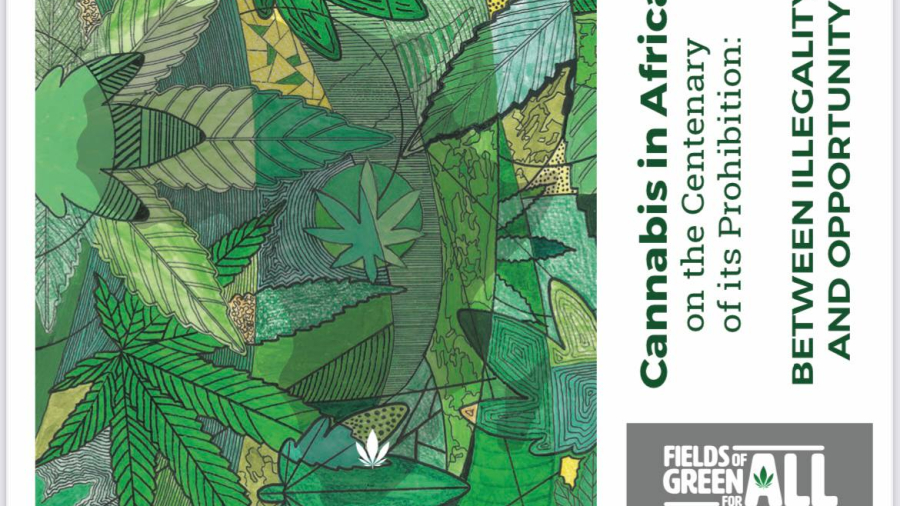
Cannabis in Africa on the Centenary of Its Prohibition: Between Illegality and Opportunity

Organized by Fields of Green for ALL NPC with the support of  the Cannabis Embassy, the University of Bristol, the South African Human Rights Commission, the Her Many Voices Foundation, the Forum Drugs Mediterranean, SSDP, ENCOD, the Umzimvubu Farmers Support Network, the South African Cannabis and Hemp Industry Association, the International Drug Policy Consortium, the Transform Drug Policy Foundation, the Veterans Action Council and ICEERS

Wednesday 12 March 2025, 4pm (SA time, 3pm Vienna time)

JOIN HERE

As we all know, Cannabis has been a part of African cultures for millennia, with its use ranging across a wide variety of traditions and settings. This is despite prohibition associated with colonial rule over the last 100 years. The global conversation surrounding cannabis is evolving rapidly, with many countries reconsidering its legal status, its potential for improving livelihoods, and contemplating a public health approach as an alternative to punitive criminal sanctions. Based on recent on the ground research in South Africa, Zimbabwe, Ghana, Nigeria & Kenya this side event explores the African Cannabis landscape and heritage, and addresses key challenges, opportunities, and potential for policy reform across the continent.

Speakers:

Myrtle Clarke – Fields of Green for ALL

Prof Tshepo Madlingozi – South African Human Rights Commission

Dr Gernot Klantschnig – University of Bristol, Dept of Policy Studies

Maria-Goretti Loglo – International Drug Policy Consortium

Dr Neil Carrier – University of Bristol, Dept of Anthropology & Archeology

Dr Clemence Rusenga – University of Cardiff, School of Social Sciences

Dr Simon Howell – University of Cape Town, Dept of Criminology


_________________________________________________________________

LOGO centenary of Cannabis Prohibition 1925-2025

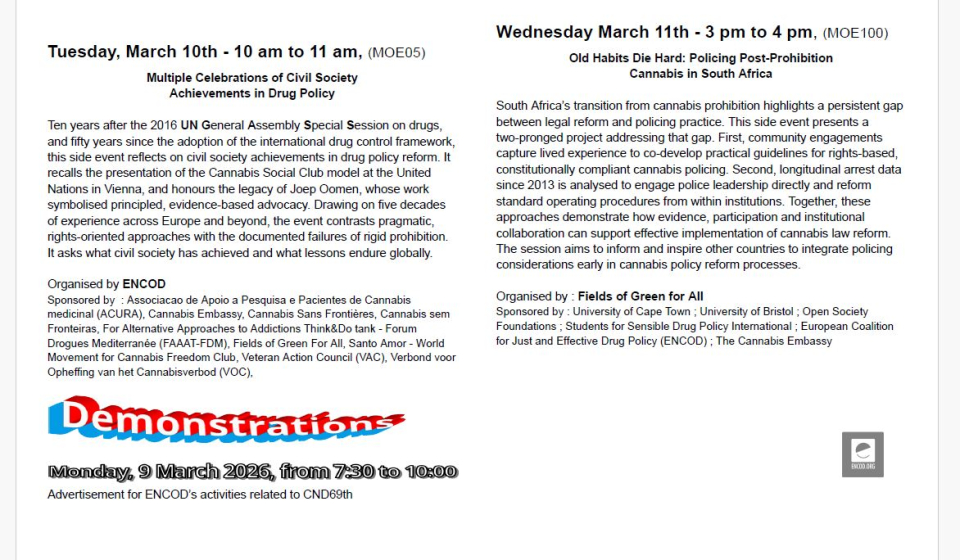
CND68 – ENCOD side event “1925-2025 : One centenary of Cannabis as a narcotic drug under international control”

Commission on Narcotic Drugs – 68th session

Tuesday March 11th, 2025

10:00 – 11:00 AM (Vienna) – ROOM : MOE05 

1925-2025 : One centenary of Cannabis as a narcotic drug under international control


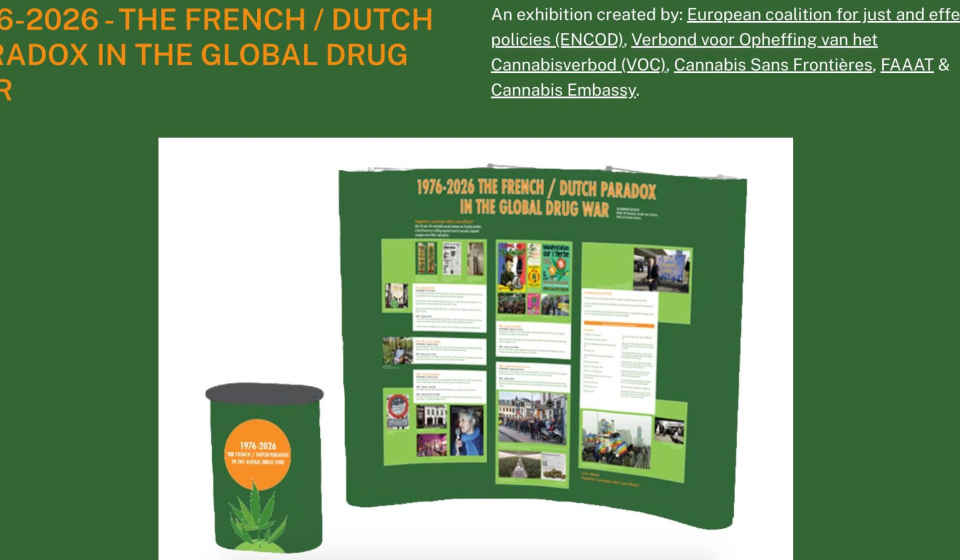
This side event, in link with an exhibition, aims to present the long journey of cannabis from 1925 to the present day, passing by the Single Convention and its recent change of scope related to its scheduling in 2020.

Looking back at 100 years of negative history –since the 1925 Geneva Opium Convention first brought “Indian hemp” under international drug control. Meanwhile, cannabis also entered the International Pharmacopoeia. 

Let’s re-examine this dual history in light of the millennia of positive interactions with Cannabis sativa L. by all human societies. During 99% of human history, cannabis was neither prohibited nor problematic.

ENCOD, with its partners, invites you to a very special side event celebration. 

In partnership with :

ACURA / Santo Amor, Cannabis Sans Frontières, Cannabis Embassy, DRC-net, FAAAT.net – FDM, Fields of Green For ALL, Hempoint, NORML France, Veterans Action Council.

Register previously to follow us Online : http://bit.ly/3EZV1MY ; 

Contact us :  <office@encod.org> ; 00 33 751 350  234  ;


ENCOD Side Event Leaflet CND68 – FULL_VF

Italy Bologna Demonstration NO DDL

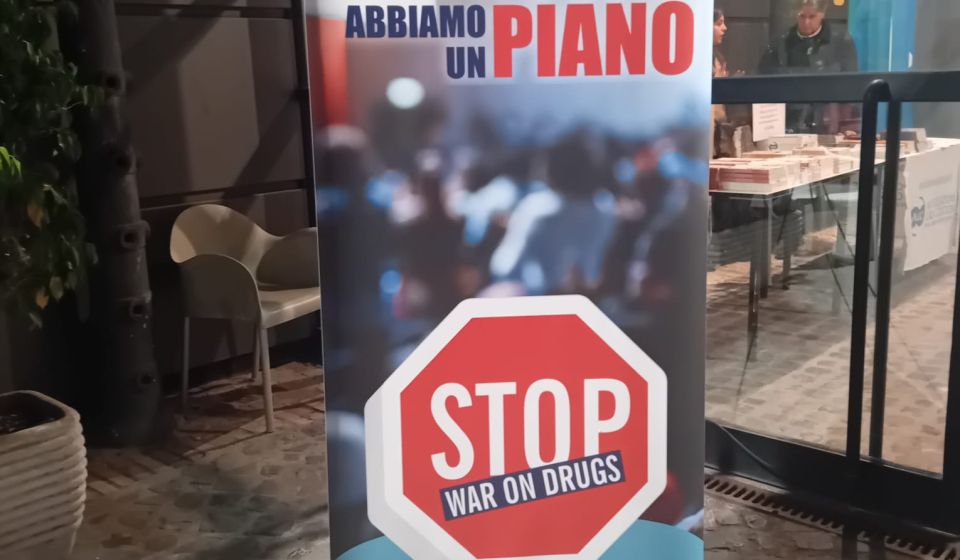
Italy : Massive demonstrations to say “NO DDL SICUREZZA”

Italy : Massive demonstrations to say “NO DDL SICUREZZA”

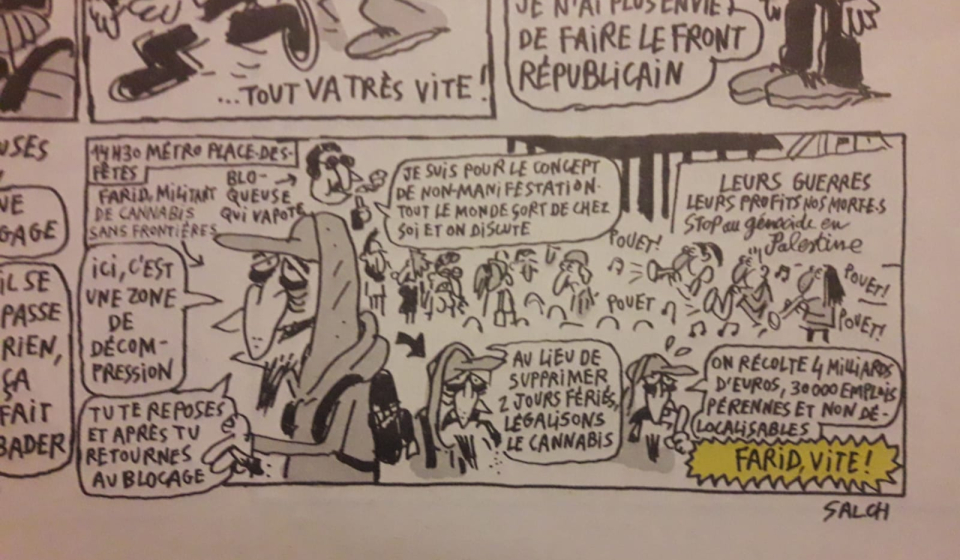
In Italy, several demonstrations against the dictatorial proposals of Meloni’s government against cannabis, and civil and human rights were quite big, with for example over 5000 people in Bologna and many others in most towns…

Like our friend Enrico Fletzer argued “It was nice but the right wing goes on like a bulldozer so we have to involve more interest and participation. One big participant of the demonstration was the metal workers union but at the core there were many young people”.  Here is the link to a facebook real posted to witness and some pictures of this huge movement.

Dalla manifestazione regionale NO DDL SICUREZZA di Bologna, 22 Febbraio

, “”!

This decree does not bring security, it brings repression. It hits those who fight for housing, for jobs, for the climate, for social justice. It criminalizes dissent, punishes the weakest, militarizes cities.

But today we gave a clear answer: ̀ ̀ !

Real security is housing, income, rights. Not criminalization and repression.

In the country there will always be those who will continue to fill the squares, to fight inside and outside the institutions.
Because we do not accept a more unjust, more repressive, more unequal society.
⚡️, .⚡️


Visual Women

Psychedelicare : European Citizens’ Initative (support and sign)

LET’S CARE TOGETHER

To improve mental wellbeing and enable access to psychedelic-assisted therapies in Europe, we just need 1 million signatures. Are you a European citizen?

THE REASONS

Today, in the European Union, more than 1 out of 6 people are suffering from mental health conditions.

Depression, anxiety, burnout syndromes, PTSD, insomnia, unbearable addictions, are just some of the problems touching millions of people of any age. Innovation in psychiatric treatments has stagnated for several decades, while the current treatments prove to be ineffective for a growing number of patients.

Science is showing that psychedelic-assisted therapies (PATs) offer new hope,with rapid and lasting results for many conditions. Countries like Australia, Canada, Switzerland and the US, already embrace these treatments. Europe should follow.


Together we can transform mental health care and improve mental wellbeing in all Member States, from Estonia to Portugal, from Ireland to Malta.

THE REQUESTS

It’s much more than a petition.
It’s a European Citizens’ Initiative (ECI).

With 1 million signatures by the 13th of January 2026, we can make Psychedelic-Assisted Therapies available and affordable in Europe. That’s why we want to urge the European Commission to act in 3 ways:

Creation of European standards

We want a group of professionals and patient representatives to come together and agree on standardized guidelines for the safe use of psychedelics in therapeutic treatments.

Increase of EU funding for research

We want the EU to boost funding for research on psychedelic therapies and to support the freedom to do such research.

Adoption of a unified stance internationally

We want EU member states to adopt a common stance on the legal classification of psychedelics on the international level.

Amending classifications on the international level (the 1971 Convention on Psychotropic Substances in particular) would align international laws with modern research and make psychedelic substances more accessible for regulated therapies.


German Cannabis Clubs Workshop

German Cannabis Clubs workshop

German Cannabis Clubs workshop
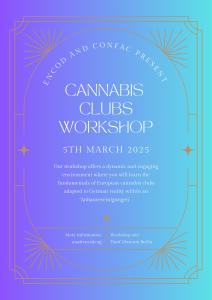
ENCOD and ConFAC are pleased to present a workshop tailored for German cannabis associations. This workshop aims to address specific aspects of cannabis regulation, harm reduction, and best practices within the framework of cannabis clubs. The workshop will provide valuable insights into the controlled substance system and harm reduction strategies. It offers a platform for exchanging best practices and experiences among participants.

Target audience:
Leaders, staff, and stakeholders of cannabis clubs in Germany.

Workshop goal:
To provide practical tools and knowledge about risk reduction strategies, legal frameworks, and best practices to enhance the functioning of cannabis clubs and promote safe and sustainable cannabis consumption practices.

Date: Wednesday, 5th March 2025 from 18:00h to 20:00h

More information: ana@encod.org

Registration here

ENCOD supports VLD mail action to SPÖ and ÖVP.

In Austria, the government is subject to a long deal between different political parties to form a coalition.

In order to ensure that their program and coalition’s contract includes cannabis legalisation, some activists with Verein für liberale Drogenpolitik are aiming to influence this coalition’s deal by sending letters :   if you’re an austrian citizen or you’re living in Austria, please just use this sample letter and mail action available on this webpage.

https://mailaktion.hanfheimat.at/

Capture d’écran 2024-12-19 à 09.55.30

Putting people first; empowering communities and driving innovation.

Putting people first; empowering communities and driving innovation.

Reflections following the 6th European Harm Reduction Conference.

In the first week of December around five hundred participants from across Europe travelled to Warsaw for a three-day conference on drug use and drug policy organised by the Correlation European Harm Reduction Network (C-EHRN). Echoing the United Nations Sustainable Development Goals ethos to ‘leave no one behind’, this year’s European Harm Reduction Conference’s motto, Putting People First, acts as a testament to the new found consensus on human rights, harm reduction and drug policy.

Various distinguished speakers, amongst which the Mayor of Amsterdam Femke Halsema, the Executive Secretary of the Pompidou Group Denis Huber, the UN Human Rights and Drug Policy Advisor Zaved Mahmood, and the UN Human Rights Commissioner Volker Türk, spoke about the importance of moving drug policies away from criminalisation, and closer to human rights principles. Some of the speakers also explored the role of the responsible regulation of drugs in transforming the present criminally monpolised market into one which is regulated, monitored, and adjusted according to evidence and research.

Speaking in the opening session Daphne Chronopoulou, Chairperson of the European Network of People who use drugs stated: As a woman who uses drugs, as an activist and Chair of the network, I am the definition of harm reduction. And therefore, she continued, Nothing About Us, Without Us!

This bold statement underlined the centrality of providing people with living experiences an equal opportunity to participate in discussions, conferences and policy design directly impacting their well-being and lives. The conference included multiple parallel sessions, and the participation of various speakers and experts in the fields of drug policy reform, human rights, civil society representing the voice of people who use drugs and regulation of drugs. An inclusive and broad definition of harm reduction was recognised as important to better reflect emerging drug trends and evolving challenges. Speakers underlined the need to move away from strictly medicalised and heroin focused interventions, and ensure all people who use drugs have equal access to health, social, economic and cultural rights.

The role of responsible regulation was also discussed as an important tool to significantly address the criminal and violent nature of illegal drug markets and ensure citizens are not exposed to adulterants and risky synthetic drugs. Multiple sessions explored various areas linked with drug policy, including considerations for gender equality, and the importance develop bottom-up and peer-led solutions addressing the needs of different communities and groups.

An art exhibition Junk(ie) Art and a civil society exhibition space further complemented the conference’s efforts of merging theoretical speeches and presentations with practical solutions and tools.

During the session on cannabis regulation Karen Mamo reminded government representatives from Switzerland, Malta, and Germany that one cannot fail to mention and recognise the pivotal role played by civil society and grass-roots organisations in advancing the cannabis frameworks they are now speaking about. She also mentioned the urgent need for European countries regulating cannabis to include in the discussion and regulatory framework measures to ensure restorative justice and social equity are prioritised and communities most negatively impacted by prohibition are provided with added tools to participate in the regulated cannabis market.

Speaking also during the session on harm reduction in the media in the age of disinformation, Karen Mamo underlined the central role of language in preventing or facilitating negative perceptions about people who use drugs. She underlined a shared goal between journalists, health practitioners, educators, and the broader community to move away from stigmatised language and policies, and recognise that language does matter!

In conclusion, what could be three keywords to describe the conference’s outcome? Dignity, for all people, irrespectively if using an illegal substance and have no intention to stop. Empowerment, to challenge discriminatory laws and prioritise human centred policies over criminalisation and dehumanising policies. Hope, for the next five years to advance increased opportunities for comprehensive and inclusive harm reduction tools, and a continued discussion on the responsible regulation of drugs, the latter recognised as a catalyst for innovation and positive social change.

The 6th European Harm Reduction Conference was attended by the national focal point for CEHRN Ms Karen Mamo and young researcher and social worker Mr Mark Farrugia (Harm Reduction Malta).

cocazakje

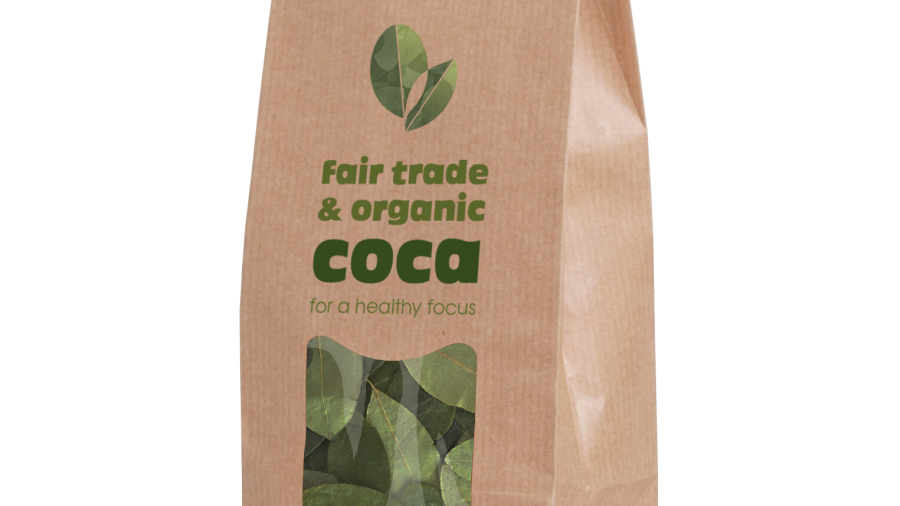
Amigos de la Hoja de Coca: history of a pioneering coca leaf fair-trade

This is a masterpiece for all ENCOD’s friends and supporters ; A real piece about ENCOD history and attempt to keep the experience alive and make it possible for the future… Thanks to the magazin Drugs, habits and Social policy and its editing team for keeping the importance of the subject and the publishing of it. Please download, read, spread and share this very very nice article. Click here to get all articles published.

Amigos de la Hoja de Coca: history of a pioneering coca leaf fair-trade

Drugs, Habits and Social Policy

ISSN2752-6739

Article publication date: 29 July 2024 

Issue publication date: 28 November 2024

Abstract

Purpose

The leaves of the Erythroxylum “coca” plant are a well-known food, beverage, and nutraceutical in their native Andean region. A decade ago, the European non-profit “Amigos de la Hoja de Coca” (Friends of the Coca Leaf) operated a short-lived fair-trade in raw coca leaves between Bolivia and the European Union. The chronicles of this initiative can be insightful, as interest in natural, wellness, and self-care products continues rising in Europe.

Design/methodology/approach

Historical review of the inception, and documentation of the organisation of the scheme and its outcome, via all primary sources available.

Findings

From the 1990s to the early 2010s, civil society groups organised several campaigns to normalise coca leaf in Europe, finding echo at the European Parliament, culminating in 2012-2013 when a periodical distribution system was set-up: growers in Bolivia shipped 150 g. coca leaf packets directly to Friends of the Coca Leaf members in Europe. Initially, most parcels reached their recipients without issue but after technical hurdles and reduced political support, the scheme was eventually discontinued.

Originality/value

European civil society campaigns surrounding coca have been poorly documented. Historically, Friends of the Coca Leaf emerged alongside Cannabis social clubs, but only the latter has prospered. While Friends of Coca Leaf was short-lived, its political outcomes (both at the institutional level and via a fair and do-it-yourself trade initiative) may prove inspirational to current drug policy reform discussions.

Keywords

Citation

Ghehiouèche, F. and Riboulet-Zemouli, K. (2024), “Amigos de la Hoja de Coca: history of a pioneering coca leaf fair-trade”, Drugs, Habits and Social Policy, Vol. 25 No. 2, pp. 155-172. https://doi.org/10.1108/DHS-10-2023-0040

ENCOD GA Berlin 2024

ENCOD and our duty toward a new policy on drugs.

ENCOD and our duty toward a new policy on drugs. 

Since 1993, ENCOD has been advocating for drug policy reforms based on a humane, just and effective approach. In four points below we’re describing below what ENCOD is struggling for, and we hope that you’ll follow and support us to make this.

First

We’re defending the right of the people to use drugs in a responsible manner, free from stigma and discrimination. We are defending a humane approach which allows people to alter their mind and enhance their consciousness with proper substances, within the Harm reduction paradigma. So that we’re advocating for the decriminalization of all drug uses. Also, we are strongly opposing the counter drug policies that are opposing Human Rights with law enforcement measures, especially those countries using the death penalty against drug offenders (or those supposed)!

Second

We’re advocating for the people to grow (not only their rights) their own plants, because we know that the best way to tackle the market logic of making money and profit over the trade of some products, and to design the cultivation up to the needs of the people. 

The right to grow, the freedom to farm up to the needs of peoples. We’re still wondering why the international narcotic control still keeps a large part of the world population in suffering because of the lack of access to pain killers. As well as we need Cannabis or Coca for medicine, we need to reconsider Poppy for medicine to end this global inheritage of the “war on drugs, which is a war on the (poor) peoples”.

Third

We have been defining a way to manage the market within the social and solidarity economic growth, by establishing the rules and code of conduct of the Cannabis Social Clubs, a design model that can also be adapted to other drug types. We therefore are promoting the self supply of consumers, out of scope of the capitalist way to make money. This model allows the real democratic monitoring of activities respecting the will and rights of the people to manage their needs.

Fourth

ENCOD is still advocating for a global approach to illicit market, not only the substances, but all related criminal activities like the money laundering, human trafficking, and other precious ressources as wood timber, gems…etc.    

EU level

At EU level, we as ENCOD are still promoting the implementation of the Catania report adopted by EU parliament on december 14th, 2004.

At  EU level, we as ENCOD are always concerned by the claim of the respect of Human Rights, and policy based on the respect of those principles, as it was adopted recently by the Council of Europe, in December 2022.   

At EU level, even if it is a step by step (either than federal), country by country reform, we are very supportive of the Malta ongoing process, as well as we’re trying to push Germany into the right direction, and we are very enthousiast with the ongoing process in Czech Republic which is driving a very new innovative framework by defining “psycho modulatory substances” to be regulated. 

Support ENCOD

We as ENCOD are still keeping up grassroots claim for drug policy reforms, adocating from local cities to United Nations. Please support ENCOD and all our efforts for just and effective drug policies.